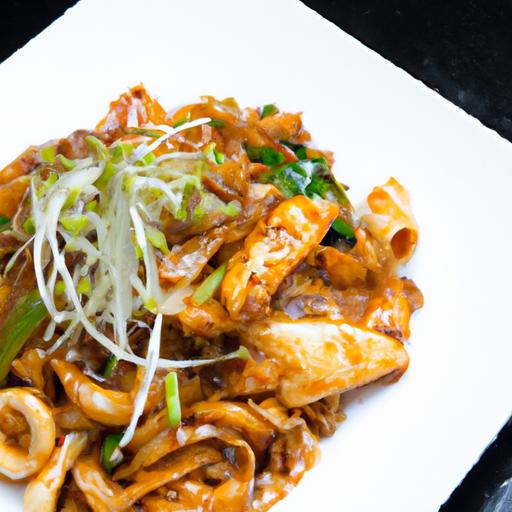

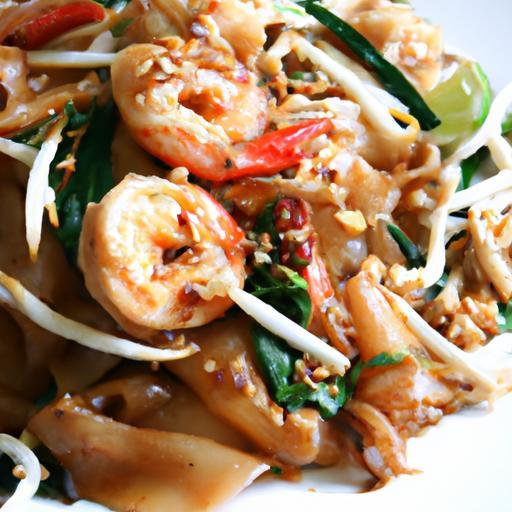
In the heart of southeast Asia’s bustling hawker centers and vibrant street markets, the irresistible aroma of char kway teow wafts through the air, drawing eager food lovers from every corner.This iconic noodle dish, with its smoky sear and bold medley of flavors, is more than just a meal-it is a cultural tapestry woven from centuries of culinary tradition and local innovation. join us as we explore the sizzling story behind char kway teow, uncovering the secrets of its fiery wok, its rich heritage, and the enduring charm that keeps this beloved dish sizzling on plates and palates worldwide.
Char Kway Teow is a beloved culinary treasure that embodies the rich tapestry of Southeast Asian street food.This iconic noodle dish, with its intoxicating aroma and signature wok hei-an elusive smoky flavor imparted by the stir-fry-is a festivity of cultural melding, history, and bold flavors.Originating from Chinese immigrant communities in Malaysia and Singapore, Char Kway Teow has evolved into a dish that reflects both humble street kitchens and gourmet reinterpretations. The secret lies in mastering the art of the perfect sizzle,coaxing the flat rice noodles into silky ribbons kissed by sweet soy sauce,pungent garlic,and the gentle heat of chilies,all harmonized with fresh prawns and savory Chinese sausage.
Prep and Cook Time
- Planning: 15 minutes
- Cooking: 10 minutes
- Total: 25 minutes
Yield
Serves 3-4 adventurous food lovers
difficulty Level
Medium – Requires control over high-heat wok techniques and timing
Key Ingredients That Elevate Every plate of Char Kway Teow
- 300g flat rice noodles (kway teow), fresh if possible
- 150g peeled prawns, medium-sized
- 100g Chinese lap cheong sausage, thinly sliced
- 3 large eggs
- 4 cloves garlic, minced
- 150g bean sprouts, washed and drained
- 2 stalks Chinese chives, cut into 2-inch pieces
- 3 tablespoons light soy sauce
- 1 tablespoon dark soy sauce
- 1 teaspoon fish sauce
- 1 teaspoon sambal oelek or fresh chili paste (adjust to taste)
- 3 tablespoons vegetable oil (preferably peanut or high smoke point)
- Optional garnish: sliced red chili, lime wedges
Mastering the Art of the Perfect Sizzle and wok Hei: Step-by-Step Instructions
- Preheat your wok: Place a wok on the highest heat and let it get smoking hot-this creates the critical “wok hei” that gives Char Kway Teow its legendary flavor.
- Cook the prawns: Add 1 tablespoon vegetable oil and quickly stir-fry the prawns until they turn pink, about 1-2 minutes. Remove and set aside.
- Sauté aromatics and sausage: Add the remaining oil, then toss in minced garlic and sliced lap cheong. Fry until fragrant and the sausage starts to caramelize, roughly 2 minutes.
- Egg scramble: push ingredients to one side of the wok,crack in the eggs,and gently scramble to soft curds,then mix with sausage garlic.
- Add noodles: Toss in the flat rice noodles, turning quickly to coat them evenly in the flavorful base. Break up any clumps gently with your spatula.
- Season: Splash the light soy sauce, dark soy sauce, fish sauce, and sambal oelek over the noodles. Stir-fry vigorously, ensuring the noodles absorb the sauces beautifully.
- Final touches: Add the cooked prawns, bean sprouts, and Chinese chives. stir-fry for another 1-2 minutes-just long enough to crisp up the bean sprouts slightly while keeping their crunch.
- Serve instantly: Plate the noodles while hot for maximum flavor, optionally garnishing with lime wedges and sliced red chilies.
Chef’s Notes: Tips for Success
- Use fresh rice noodles: Fresh kway teow gives the best texture; if using dried noodles, soak them properly to soften without breaking.
- high heat and speed: The essence of char Kway Teow is “wok hei” – cook fast over high heat to develop smoky charred notes.
- Oil choice matters: Peanut or vegetable oil with a high smoke point helps avoid bitter burnt flavors.
- Variations: Swap prawns with cockles or tofu for different protein options. Vegetarians can omit lap cheong and prawns, enhancing with mushrooms.
- Make-ahead: Prep ingredients ahead, but cook noodles fresh to maintain texture and wok hei quality.
Serving Suggestions
Present Char Kway Teow on a warm plate to keep its silkiness intact. Garnish with freshly chopped scallions and a handful of crunchy fried shallots for extra aroma and texture contrast. Squeeze radiant lime juice over each portion to balance the savory richness. Pair with a refreshing iced lime tea or a light lager to cut through the deep flavors.

| Nutrient | Per Serving |
|---|---|
| Calories | 480 kcal |
| Protein | 25 g |
| Carbohydrates | 55 g |
| Fat | 15 g |
Top Spots to Savor Authentic Char Kway Teow Across Southeast Asia
Some of the most esteemed Char Kway Teow experiences can be found in renowned hawker centers and street-side stalls throughout Malaysia and Singapore. Places like Penang’s Lorong Selamat and Singapore’s Hill Street Fried Kway Teow command respect for their authentic technique and unbeatable flavor.Each vendor’s interpretation varies slightly-some favor extra chili,others a smokier glaze,but all deliver that irresistible wok-fired essence.Exploring these local favorites provides invaluable insight into how this dish weaves into the social and culinary fabric of the region.
For an inspiring dive into related noodle dishes, check out our Malaysian Noodle Recipes Collection, a curated guide to diverse, comforting bowls that celebrate Southeast Asia’s vibrant flavors.
Q&A
Q&A: Char kway Teow – Exploring the Sizzle of an Iconic Noodle Dish
Q: What exactly is Char Kway Teow?
A: Char Kway Teow is a beloved Southeast Asian stir-fried noodle dish that originated from Chinese immigrant communities, primarily in Malaysia and Singapore. It features flat rice noodles (kway teow) tossed in a hot wok with a medley of ingredients like prawns, Chinese sausage, eggs, bean sprouts, and chives, all cooked over fierce heat to achieve a signature smoky char known as wok hei.
Q: Why is Char Kway Teow so special compared to other noodle dishes?
A: The magic of Char Kway Teow lies in its simplicity paired with intense flavor complexity. The high-temperature stir-fry infuses the noodles with a smoky aroma that tantalizes the senses, while the combination of sweet soy sauce, savory seafood, and the occasional fiery chili creates a harmonious and addictive taste experience seldom matched by other dishes.
Q: Where did Char Kway Teow originate, and how did it evolve?
A: this dish traces its roots back to the Hokkien and Teochew communities who settled in the Straits Settlements.Originally a humble street food for laborers, it has evolved over decades, adapting local ingredients and preferences. Today,it’s celebrated in hawker centers and upscale restaurants alike,with variations ranging from classic to gourmet.
Q: What does “wok hei” meen, and why is it critically important?
A: Wok hei, or “breath of the wok,” refers to the subtle smoky flavor that comes from cooking ingredients quickly over intense heat in a well-seasoned wok. It’s the hallmark of authentic Char Kway Teow and is crucial in delivering that irresistible charred essence that elevates the dish beyond mere stir-fried noodles.
Q: Can Char Kway Teow be customized for different tastes or dietary needs?
A: Absolutely! While the traditional version includes pork or Chinese sausage, many stalls offer variations with chicken, beef, or purely vegetarian versions using tofu and mushrooms.Additionally,spice levels can be adjusted by adding fresh chilies or chili paste,allowing everyone to savor the sizzle their own way.Q: what’s the best way to enjoy Char Kway Teow?
A: To fully appreciate Char Kway Teow, seek out vendors who use fresh ingredients and a piping-hot wok. Pair your plate with a refreshing cold drink to balance the richness. Eating it piping hot, straight off the wok, ensures you get the full spectrum of flavors and that unmistakable wok hei kick.
Q: Has char Kway teow influenced global cuisine?
A: Indeed! As Southeast Asian food culture spreads globally, Char Kway Teow has found admirers from foodies worldwide.Chefs experiment with fusion versions using local ingredients, while authentic versions continue to be a taste of home for diaspora communities, making this sizzling noodle dish a true culinary ambassador.
Q: What makes Char Kway Teow a cultural icon beyond its taste?
A: Beyond its irresistible flavor, Char Kway Teow embodies a rich tapestry of history, migration, and community spirit. it tells stories of humble beginnings,dynamic cultural exchanges,and the enduring love for sharing food – all sizzling together in one unforgettable dish.
Final Thoughts
As the last wisp of smoky aroma lingers in the air, Char kway Teow stands not just as a dish, but as a vibrant testament to culinary tradition and cultural fusion. Its sizzle tells a story of generations-where humble ingredients meet fiery skill, creating a symphony of flavors that dance on the palate. Whether savored on bustling street corners or in refined eateries, Char kway Teow invites food lovers to experience a timeless delight, one irresistible bite at a time. In exploring this iconic noodle dish, we don’t just taste food; we embrace a heritage sizzling with history and passion.