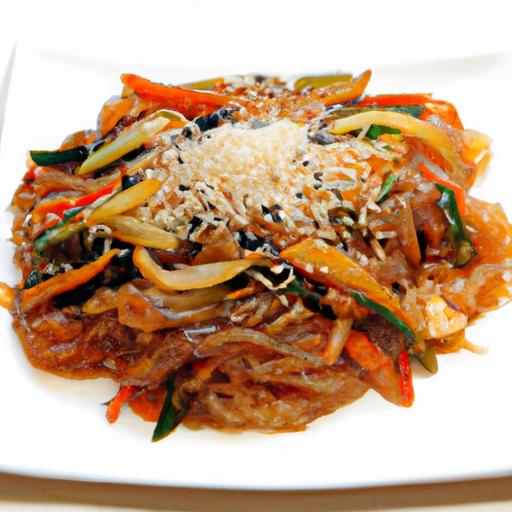



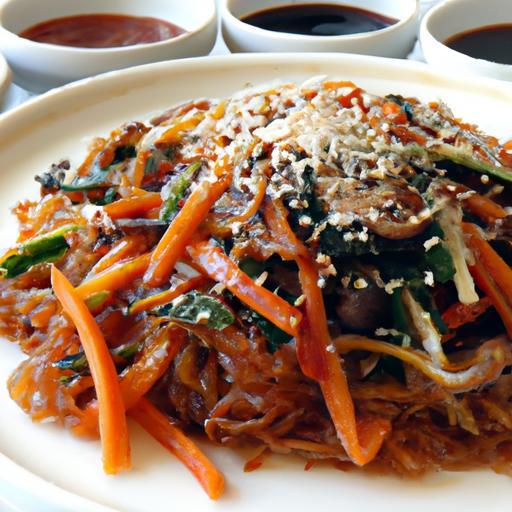
Step into teh vibrant world of Korean cuisine as we unlock the secrets behind one of its most beloved dishes: Japchae. This shimmering, savory stir-fry of glass noodles, tender vegetables, and perfectly seasoned beef has captivated taste buds for generations, offering a harmonious blend of textures and flavors that dance on the palate. But what truly makes Japchae authentic? Beyond the glossy appearance and colorful ingredients lies a culinary tradition rich in history and technique. Join us as we delve deep into the art of crafting genuine Korean Japchae, revealing time-honored tips, essential ingredients, and cooking methods that transform this humble dish into a delightful feast worthy of festivity. Whether you’re a seasoned foodie or a curious newcomer, prepare to discover the authentic Japchae recipe that will bring the heart of Korea right to your kitchen.
Discover the Secrets to Authentic Korean Japchae Recipe Delight
Discover the secrets to authentic Korean japchae recipe delight by diving into a dish that beautifully marries texture, color, and deep, savory flavors. Japchae is not just noodles tossed with vegetables-itS a traditional Korean celebratory dish, originally served to royalty, that tells a story through its vibrant ingredients and careful balance. The slippery, chewy glass noodles harmonize with crisp vegetables and tender marinated beef, all enlivened by a sweet-savory soy glaze. As someone who’s spent years styling and creating culinary content, capturing japchae’s essence means honoring its roots while inviting modern cooks to recreate the magic right in their kitchens.
Prep and Cook Time
- planning: 25 minutes
- Cooking: 15 minutes
- Total Time: 40 minutes
Yield
Serves 4 generous portions
Difficulty Level
Medium – Suitable for home cooks eager to master a classic Korean dish with attention to detail.
Essential Ingredients That Bring Japchae to Life
- 200g sweet potato glass noodles (dangmyeon)
- 150g beef sirloin, thinly sliced
- 1 medium carrot, julienned
- 1 medium onion, thinly sliced
- 1 cup fresh spinach, blanched and squeezed dry
- 6-8 shiitake mushrooms, rehydrated (if dried) and sliced
- ½ red bell pepper, thinly sliced
- 3 cloves garlic, minced
- 3 tablespoons soy sauce – use Korean soy sauce for depth
- 2 tablespoons toasted sesame oil
- 1 tablespoon sugar
- 1 teaspoon ground black pepper
- 2 tablespoons vegetable oil for stir-frying
- 1 tablespoon toasted sesame seeds for garnish
Mastering the Art of Perfectly Stir-Fried Glass Noodles
- Prepare the noodles: Soak the sweet potato glass noodles in warm water for about 20 minutes or until soft but still chewy. Drain well to avoid sogginess.
- Cook noodles: Boil the soaked noodles in salted water for 5-6 minutes, stirring occasionally to prevent clumping.They should be tender yet firm. Rinse under cold water immediately and drain thoroughly.
- Marinate the beef: Toss the sirloin slices in 1 tablespoon soy sauce, 1 teaspoon sugar, minced garlic, and black pepper. Let sit while prepping vegetables.
- Sauté vegetables: Heat 1 tablespoon vegetable oil in a large pan over medium-high heat. Add onions and carrots; stir-fry until slightly softened, about 3 minutes. Add mushrooms and red bell pepper; cook another 2-3 minutes. Remove vegetables from pan and set aside.
- Cook beef: In the same pan, add remaining oil and sauté marinated beef for 2-3 minutes until just cooked through. Remove and set aside.
- Assemble japchae: Return noodles to the pan on low-medium heat. Add soy sauce, sugar, and sesame oil. Toss gently but thoroughly to coat noodles.
- Add vegetables and beef: Incorporate sautéed vegetables, cooked beef, and blanched spinach. Toss gently to combine and warm through evenly,about 2-3 minutes.
- Final touches: Remove from heat and sprinkle with toasted sesame seeds. Taste and adjust seasoning with a splash of soy sauce or sesame oil if needed.
Pro tips for Balancing Flavors and Textures in Japchae
- Control moisture: Thoroughly drain soaked noodles and spinach to avoid watery japchae.
- Layer flavors: Marinate beef ahead and sauté vegetables separately to ensure vibrant texture and taste.
- Heat management: Keep noodles on low heat while tossing to prevent breaking or mushiness.
- Veggie variations: Include crunchy water chestnuts or snow peas for extra texture contrast.
- Make it vegetarian: Substitute beef with firm tofu or extra mushrooms and increase soy sauce slightly for umami.
- Advance prep: Cook noodles and veggies in advance; assemble and toss japchae just before serving for freshness.
Serving Suggestions
Serve japchae warm or at room temperature on a large platter, allowing the colorful strands to shine. Garnish with a generous sprinkle of toasted sesame seeds and thinly sliced green onions for a fresh bite. Pair it alongside Korean Bulgogi or a crisp kimchi salad for a complete, festive meal. Japchae also complements steamed rice perfectly when you want a comforting yet elegant dinner. For a vibrant presentation, serve it in a traditional Korean brass bowl or on a rustic wooden board paired with chopsticks and a small dipping sauce dish filled with extra soy sauce and chili flakes.

| Nutrient | Per Serving |
|---|---|
| Calories | 320 kcal |
| protein | 18 g |
| Carbohydrates | 42 g |
| Fat | 7 g |
Chef’s Notes
- For an even silkier noodle texture, toss boiled noodles in a little sesame oil immediately after draining to prevent sticking.
- Adjust sugar and soy sauce according to your preferred balance-some like it sweeter, others saltier.
- Try garnishing with thin strips of egg omelet for traditional presentation and an extra layer of flavor.
- japchae keeps well and can be enjoyed chilled or at room temperature the next day, making it excellent for meal prep or picnics.
- For authentic umami depth,add a splash of Korean rice wine (mirin) during the beef marination phase.
To deepen your exploration into Korean cuisine and find even more exquisite recipes like this,visit the maangchi Korean cooking site, internationally recognized for its thorough Korean food expertise.
Q&A
Q&A: Discover the Secrets to Authentic Korean Japchae Recipe Delight
Q1: What makes japchae a beloved dish in Korean cuisine?
A1: Japchae is cherished for its harmonious blend of textures and flavors-chewy sweet potato noodles, savory marinated beef, crisp vegetables, and a subtly sweet soy-based sauce. It’s a vibrant dish that balances harmony and contrast, making every bite a delightful experience that resonates with family gatherings and festive celebrations.
Q2: What are the essential ingredients that define authentic Korean Japchae?
A2: The heart of authentic Japchae lies in dangmyeon-clear,chewy glass noodles made from sweet potato starch. Key ingredients include thinly sliced beef (often sirloin), spinach, carrots, mushrooms (shiitake or oyster), onions, and a touch of sesame oil. The magic is sealed with a soy sauce and sugar-based marinade that infuses the noodles and veggies, plus a sprinkle of toasted sesame seeds to finish.
Q3: How do you achieve the perfect noodle texture in Japchae?
A3: Cooking the noodles is an art in itself. They must be boiled until just tender but still springy-overcooking turns them mushy, undercooking makes them tough. After draining, rinsing with cold water stops the cooking and helps maintain their luscious chewiness. Tossing the noodles with a bit of sesame oil prevents them from sticking and adds an aromatic depth.Q4: are there any insider tips for preparing and cooking the vegetables?
A4: Absolutely! Each vegetable should be stir-fried separately at high heat to preserve its vibrant color and crisp-tender texture. This technique also prevents flavor bleeding and ensures your Japchae is a visually stunning mosaic of fresh, popping colors and tastes.Q5: Can Japchae be made vegetarian or vegan without losing its essence?
A5: Certainly! Replace beef with tofu or extra mushrooms for umami depth, and use soy sauce or tamari to keep it gluten-free if needed. The integrity of Japchae centers on the noodle-vegetable synergy and the sweet-savory balance of its sauce,so with thoughtful substitutions,you can enjoy a plant-powered version that’s just as satisfying.
Q6: What is the best way to serve Japchae for an authentic Korean experience?
A6: Traditionally, Japchae is served warm or at room temperature as a side dish or main feature during special occasions. Pair it with steamed rice and banchan (Korean side dishes) like kimchi or pickled radish for a full-flavored, balanced meal. Garnishing with julienned egg crepes or pine nuts can elevate presentation and taste.
Q7: How can home cooks elevate their Japchae beyond the basic recipe?
A7: Experimenting with ingredient ratios and adding elements like fresh garlic, a splash of mirin or rice wine, and a dash of black pepper can add layers of complexity. Also, letting the Japchae sit for a little while allows the flavors to meld beautifully, turning it from good to sublime.Remember, Japchae is as much about heart and balance as it is about technique.
unlocking these secrets will transform your Japchae from kitchen experiment to Korean culinary triumph. Ready to stir, sizzle, and savor? Your authentic Japchae journey begins now!
To Wrap It Up
As you’ve unraveled the vibrant layers of this authentic Korean Japchae recipe, you’re now ready to bring a taste of tradition and celebration to your own kitchen.Beyond the glossy noodles and colorful vegetables lies a story steeped in history, culture, and the art of balance-sweet, savory, and utterly satisfying. So go ahead, gather your ingredients, embrace the technique, and let Japchae’s delicate dance of flavors transform your next meal into an unforgettable Korean delight. Your culinary journey doesn’t end hear; it only begins. Happy cooking!