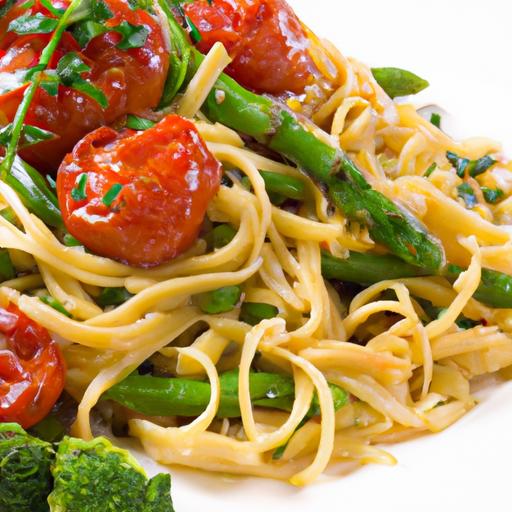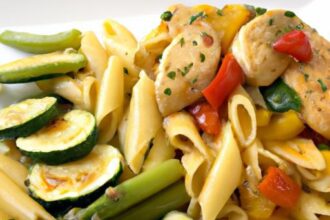

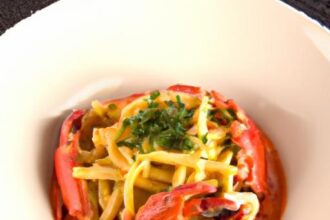
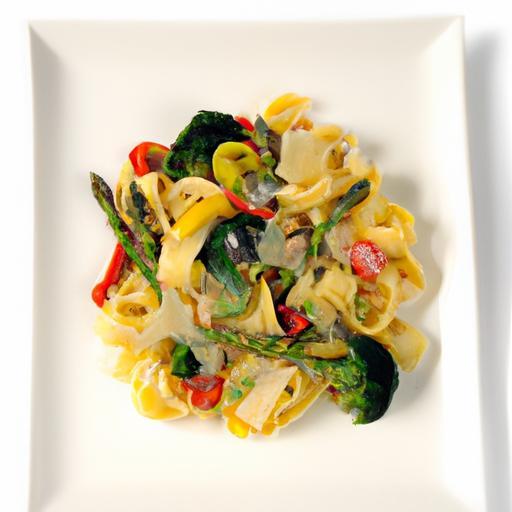
As the seasons shift and nature bursts into vibrant bloom, our taste buds crave something just as fresh and lively. Enter Pasta Primavera-a luminous, colorful festivity of spring’s bounty, where crisp vegetables and tender pasta dance together in a symphony of flavor and texture. This beloved Italian-American classic combines simplicity with sophistication, inviting both novice cooks and seasoned chefs to create dishes that are as nourishing as they are beautiful. In this guide,we’ll explore how to capture the essence of spring through Pasta Primavera,sharing tips,ingredient highlights,and recipe variations to help you bring a burst of sunshine to your dinner table all season long.
Fresh & Flavorful pasta primavera celebrates spring’s vibrant bounty, transforming simple ingredients into a symphony of colors, textures, and tastes.Originating from the Italian phrase for “spring pasta,” this dish offers a garden-fresh experience that’s both light and indulgent. It’s a recipe that invites you to savor the season’s earliest vegetables paired with perfectly chosen pasta and harmonious sauces, making every bite a lively celebration of renewal and flavor.
selecting the Perfect Pasta and Complementary Sauces
Choosing the right pasta is the foundation of this dish’s success. Opt for long, tender strands like linguine, fettuccine, or tagliatelle that elegantly cradle the crisp vegetables without overwhelming the delicate flavors.For a gluten-free choice, chickpea or brown rice pasta offers a lovely texture and nuttiness that enhances the dish’s earthy tones.
the sauce should be subtle yet flavorful-a light olive oil or herb-infused butter base gently coats the pasta, allowing the natural sweetness of the vegetables to shine. cream-based sauces can cloak the freshness; instead, embrace acidity with a squeeze of lemon and a kiss of white wine or vegetable broth, balanced by freshly grated parmesan or Pecorino for savory depth.
Layering Flavors with Herbs and Seasonal Vegetables
At the heart of this recipe are fresh herbs like basil, parsley, and chives, which weave complexity through each forkful. Begin by sautéing garlic and shallots in extra-virgin olive oil to build a fragrant foundation. Introduce crisp vegetables – asparagus tips, sugar snap peas, zucchini ribbons, and cherry tomatoes – sautéing quickly to maintain vibrant color and a satisfying crunch.
The addition of fresh herbs at the last moment ensures their brightness remains vivid. toss the cooked pasta and vegetables together with a zest of lemon and a handful of toasted pine nuts or slivered almonds for a delightful contrast in texture.
Tips for Achieving the Ideal Texture and Presentation
cooking pasta “al dente” is critical: it should have a gentle resistance to the bite, offering a sturdy base against the tender vegetables. Drain pasta, reserving some cooking water to loosen the sauce and bind flavors. When tossing pasta and vegetables, do so gently to avoid bruising the delicate produce.
Presentation is just as vital as flavor. Serve pasta primavera in shallow white bowls to highlight the brilliant hues of your garden harvest. Garnish with fresh herb sprigs and a final drizzle of high-quality olive oil. A light dusting of cracked black pepper and grated cheese adds an inviting aroma.
prep and Cook Time
- preparation: 15 minutes
- Cooking: 15 minutes
- Total Time: 30 minutes
Yield
Serves 4 generous portions
Difficulty Level
Easy – perfect for weeknights or casual entertaining
Ingredients
- 12 oz linguine or fettuccine pasta
- 3 tbsp extra-virgin olive oil
- 2 cloves garlic, minced
- 1 small shallot, finely diced
- 1 cup asparagus tips, trimmed and halved
- 1 cup sugar snap peas, trimmed
- 1 medium zucchini, sliced into ribbons
- 1 cup cherry tomatoes, halved
- 1/4 cup fresh basil leaves, chopped
- 2 tbsp fresh parsley, chopped
- 1 tbsp fresh chives, snipped
- 1 lemon, zested and juiced
- 1/4 cup grated Parmesan or Pecorino cheese
- Salt and freshly ground black pepper, to taste
- 1/4 cup toasted pine nuts or slivered almonds (optional)
Instructions
- Bring a large pot of salted water to a boil. Cook the pasta according to package instructions until al dente.Reserve 1 cup of pasta water before draining.
- While pasta cooks, heat olive oil over medium heat in a large skillet. Add garlic and shallot; sauté until fragrant and translucent, about 2-3 minutes.
- Add asparagus tips and sugar snap peas. Sauté for 3-4 minutes, stirring occasionally to retain crispness and bright color.
- introduce zucchini ribbons and cherry tomatoes. Cook an additional 2 minutes until just tender but still vibrant.
- Drain the pasta and add it to the skillet with the vegetables. Toss gently to combine.
- Add lemon zest, juice, and grated cheese. If the mixture feels dry, add reserved pasta water in small increments until silky and well-coated.
- Season with salt and pepper to taste. Remove from heat and fold in fresh basil,parsley,and chives just before serving.
- Transfer to serving bowls and sprinkle with toasted pine nuts or almonds for a nutty crunch.
Chef’s Notes
- For a seasonal twist, swap asparagus for baby artichokes or peas when available.
- Use high-quality olive oil and freshly grated cheese for the most vibrant flavor.
- Make ahead: Prepare vegetables and herbs separately. Toss with warm pasta just before serving to retain freshness.
- for added protein, gently fold in grilled chicken or sautéed shrimp.
Serving Suggestions
best enjoyed instantly with a chilled glass of crisp white wine such as Pinot Grigio or Sauvignon Blanc. Garnish each plate with a sprig of fresh basil and a light drizzle of herb-infused olive oil. Accompany with warm, crusty bread to mop up every vibrant bite. To elevate presentation,use shallow bowls or wide,flat plates that showcase the colors and textures in full.
| Nutrient | Per Serving |
|---|---|
| Calories | 350 kcal |
| Protein | 12 g |
| Carbohydrates | 50 g |
| Fat | 10 g |

Explore more spring vegetable recipes that harmonize with this bright pasta dish. For food safety and nutrition facts, visit the USDA Dietary Guidelines.
Q&A
Q&A: Fresh & Flavorful Pasta Primavera – A Bright Spring Recipe Guide
Q: What makes Pasta Primavera a quintessential spring dish?
A: Pasta Primavera celebrates the season’s bounty with an abundance of fresh, vibrant vegetables like asparagus, peas, cherry tomatoes, and bell peppers. These ingredients bring bright colors and crisp textures that perfectly capture the light, refreshing vibe of spring.
Q: Can I use any type of pasta for Primavera, or is there a recommended kind?
A: While you can get creative with pasta shapes, traditional choices like fettuccine, linguine, or penne work beautifully. Their sturdy yet tender texture holds the garden-fresh sauce well, allowing every forkful to deliver maximum flavor.
Q: How do I keep the vegetables in Pasta Primavera bright and crisp?
A: The trick is to blanch or sauté vegetables just until tender-crisp. Overcooking can dull their color and turn them mushy. quick cooking preserves their natural snap and nutrients, making the dish lively and fresh.
Q: Is Pasta primavera suitable for vegetarian or vegan diets?
A: Absolutely! The classic recipe is vegetarian, featuring a medley of fresh vegetables and olive oil or butter. To make it vegan, simply swap butter for olive oil and use nutritional yeast or a plant-based cheese alternative instead of Parmesan.
Q: What herbs and seasonings best enhance Pasta primavera’s flavors?
A: Fresh herbs like basil, parsley, and oregano add a fragrant lift. A squeeze of lemon juice or a pinch of red pepper flakes can brighten and add subtle zing, perfectly balancing the natural sweetness of the veggies.
Q: Can I prepare Pasta Primavera ahead of time?
A: It’s best enjoyed fresh to showcase the crisp vegetables and delicate sauce. However,you can prep and chop your veggies in advance. when ready, quickly sauté and toss with cooked pasta. just avoid reheating to preserve the dish’s fresh character.
Q: How can I make my Pasta Primavera extra flavorful without overpowering the vegetables?
A: Keep the sauce light and simple-olive oil or a gentle garlic butter base lets the veggies shine. Incorporating a splash of reserved pasta water helps create a silky sauce that clings beautifully without masking the garden-fresh flavors.
Q: What side dishes or pairings complement Pasta Primavera?
A: A crisp green salad with a lemon vinaigrette or a crusty baguette pairs delightfully. For drinks, consider a chilled Sauvignon Blanc or sparkling water infused with fresh mint and citrus to echo the dish’s bright notes.
This Q&A guide aims to inspire and inform cooks eager to embrace the light, colorful essence of spring through Pasta Primavera’s fresh flavors and beautiful simplicity.
Key takeaways
As the seasons shift and vibrant greens return to our tables, pasta primavera stands out as a celebration of fresh flavors and simple elegance. This bright spring recipe guide invites you to embrace the bounty of the season-crisp vegetables, fragrant herbs, and al dente pasta woven together in perfect harmony. Whether you’re cooking for a weeknight dinner or a lively gathering, let pasta primavera be your canvas for creativity, freshness, and nourishment. So gather your colorful ingredients, and bring a burst of springtime joy to your plate-becuase good food, like the season itself, is all about renewal and bright beginnings.