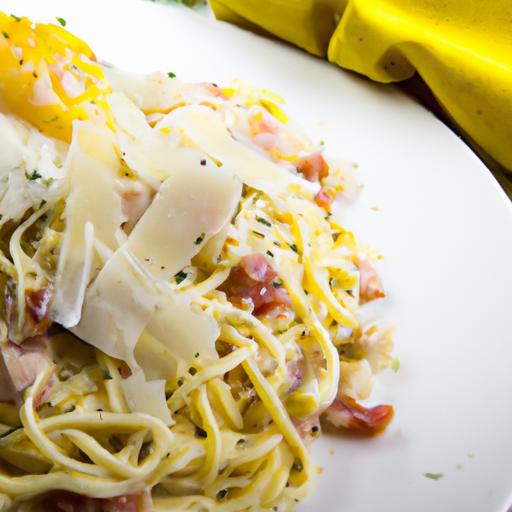
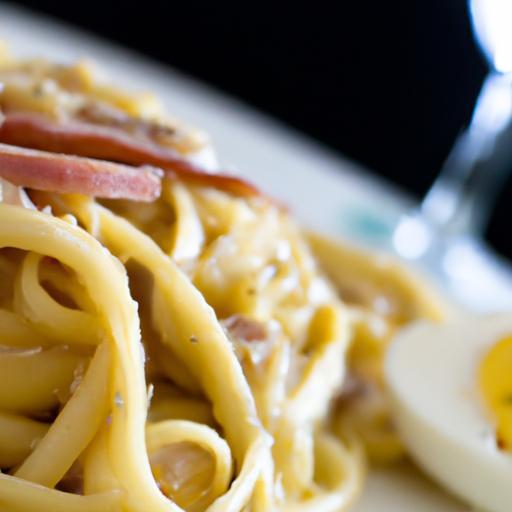
There’s something irresistibly comforting about a steaming plate of spaghetti carbonara-the creamy sauce clinging too each strand of pasta, the crispy pancetta providing bursts of savory goodness, and the subtle cheekiness of black pepper weaving it all together.But beneath its seemingly simple appearance lies a culinary tradition rich with history, technique, and passionate debate. In this guide, we’ll unravel the secrets behind mastering the classic spaghetti carbonara, transforming humble ingredients into a dish that’s as authentic as it is unforgettable. whether you’re a kitchen novice or a seasoned cook seeking to perfect your technique, prepare to embark on a flavorful journey that honors the timeless art of Italian cooking.
Mastering Spaghetti Carbonara begins with selecting only the finest ingredients to honor this timeless Italian classic. originating from Rome, this dish relies on a harmony of simple yet vibrant components that unlock its soul-soothing richness without a drop of cream. The magic lies in technique and balance, where each element plays a vital role in creating that irresistibly creamy texture and bold flavor.
prep and cook Time
Prep Time: 10 minutes
Cook Time: 15 minutes
Total Time: 25 minutes
Yield
Serves 4 generous portions
Difficulty Level
Medium – Perfect for cooks comfortable with timing and temperature control
Ingredients
- 400g (14 oz) spaghetti, preferably durum wheat for authentic texture
- 150g (5 oz) guanciale, cubed (pork cheek) – the customary choice over pancetta or bacon
- 3 large fresh eggs (use only the yolks for extra silkiness)
- 100g (1 cup) Pecorino Romano cheese, finely grated
- Freshly ground black pepper, ample amount for seasoning and finishing
- Sea salt, for pasta water only
Instructions
- Prepare the pasta: Bring a large pot of salted water to a rolling boil. Add the spaghetti and cook until al dente (1-2 minutes less than package instructions). Reserve 1 cup of pasta water before draining.
- Render the guanciale: While pasta cooks, heat a dry skillet over medium heat. Add the cubed guanciale and sauté until golden and crispy, about 6-8 minutes, stirring occasionally. Set aside off the heat to keep warm.
- Mix the sauce base: In a bowl, whisk together the egg yolks, grated pecorino Romano, and a generous amount of freshly ground black pepper. The cheese adds saltiness and richness,so no additional salt is needed here.
- Combine pasta and guanciale: Add drained spaghetti directly into the warm skillet with guanciale. Toss to coat the strands in rendered fat and flavor. Remove from heat to avoid scrambling eggs in the next step.
- Create the creamy sauce without cream: Slowly pour the egg and cheese mixture over the pasta, stirring vigorously. Add reserved pasta water a few tablespoons at a time to loosen the sauce and coax a silky texture. Continue tossing until the sauce clings to each strand of spaghetti, becoming glossy and luscious.
- Final seasoning: Adjust the pepper to taste; it should be bold and fragrant. Serve immediately with an extra sprinkle of Pecorino and black pepper.
Tips for Success When mastering Spaghetti Carbonara
- Use guanciale, not bacon: This is the authentic fat that imparts a subtle pork flavor and crisps beautifully.
- Temperature control is key: Remove the pan from heat before adding eggs to prevent curdling. If needed, add pasta water gradually to maintain creaminess.
- freshly grate your cheese: pre-grated cheese often has anti-caking agents that affect texture and meltability.
- Reserve pasta water: The starchy water is your emulsifier-use it to adjust sauce thickness perfectly.
- Modern twists: Experiment with freshly cracked black pepper’s intensity or a hint of garlic-infused olive oil, but keep these notes subtle to honor tradition.
- Make ahead: Prepare guanciale in advance and keep warm; do not refrigerate cooked pasta as this affects texture and sauce absorption.
Serving Suggestions
Plate your carbonara on wide, shallow bowls to showcase the glossy pasta strands. Garnish generously with fresh Pecorino Romano shavings and a final crack of black pepper. complement the plate with a crisp white wine like Verdicchio or Frascati. For a fresh finish, serve alongside a simple arugula salad dressed with lemon and olive oil to cut the richness.

| Nutrient | Amount per Serving |
|---|---|
| Calories | 520 kcal |
| Protein | 28 g |
| Carbohydrates | 60 g |
| Fat | 18 g |
For deeper insight into authentic Italian pasta techniques, explore this Academia Italiana cooking resource. Looking for more classic pasta recipes? Check out our collection of classic Italian pasta dishes to continue your culinary journey.
Q&A
Q&A: Mastering Spaghetti Carbonara – A Classic Recipe Guide
Q1: What makes spaghetti carbonara a timeless Italian classic?
A1: Spaghetti carbonara is more than just a pasta dish-it’s a festivity of simplicity and flavor. With just a handful of ingredients-eggs, pecorino cheese, guanciale (or pancetta), black pepper, and spaghetti-it creates a creamy, luscious sauce without any cream. this harmony of textures and tastes has charmed food lovers for generations, making it an eternal symbol of Italian culinary artistry.
Q2: Why is guanciale preferred over pancetta in authentic carbonara?
A2: Guanciale, cured pork jowl, offers a richer, more delicate flavor with a light sweetness and silky fat that melts beautifully into the dish. While pancetta (cured pork belly) is a popular substitute, guanciale’s unique texture and depth enhance carbonara’s signature smoky and savory notes, staying true to Roman tradition.
Q3: Can I use cream to make carbonara?
A3: Even though manny recipes outside Italy add cream for extra creaminess, true carbonara relies solely on eggs and cheese to create its velvety sauce. The heat of the pasta cooks the eggs gently when combined, forming a luxurious coating that’s both rich and light. Using cream dilutes the authentic texture and flavor that define classic carbonara.Q4: How do I prevent the eggs from scrambling when making carbonara?
A4: The secret to a silky carbonara sauce is controlling temperature. remove the pan from direct heat before adding the egg and cheese mixture. Toss the hot pasta swiftly with the mixture off the heat, using the residual warmth to gently cook the eggs. Stir continuously and quickly to achieve a smooth,creamy finish without curdling.
Q5: Is it necessary to use Pecorino Romano, or can Parmesan work?
A5: Pecorino Romano is the traditional cheese for carbonara, lending a sharp, salty bite rooted in Roman heritage. Parmesan (Parmigiano-Reggiano) is milder and nuttier, and while it can complement the dish, it slightly shifts the flavor profile. For an authentic experience, Pecorino Romano is preferred. Though, blending both cheeses can offer a balanced twist.
Q6: What’s the ideal pasta shape for carbonara and why?
A6: Spaghetti is the classic choice for carbonara, prized for its long, thin strands that hold the creamy sauce beautifully.The smooth surface lets flavors cling without overwhelming the palate. However, bucatini or rigatoni are also popular regional alternatives-with their hollow or ridged shapes providing extra pockets for the luscious sauce.Q7: Can I make carbonara ahead of time or freeze it?
A7: Carbonara shines brightest served fresh, right off the stovetop. The sauce’s texture and flavor can break down upon reheating, and freezing isn’t advisable as the eggs may separate. For best results,prepare the sauce just before serving,and if needed,gently reheat with a splash of pasta water to restore creaminess.Q8: What are some creative twists without losing the essence of carbonara?
A8: While classic carbonara boasts simplicity, culinary creativity can bloom by adding seasonal elements-like sautéed mushrooms for earthiness, a touch of lemon zest for brightness, or a sprinkle of chili flakes for a hint of heat. Just remember: keep the core ingredients intact to honor the heart of this Roman treasure.
Mastering spaghetti carbonara is an ode to respecting tradition while embracing culinary intuition. With thoughtful ingredients and careful technique, you can create an authentic plate that transports you to Rome with every bite. Buon appetito!
Insights and Conclusions
And there you have it-a timeless journey through the art of mastering Spaghetti Carbonara. Armed with the perfect balance of creamy eggs, savory pancetta, and freshly grated Pecorino Romano, you’re now ready to transform simple ingredients into a dish that’s as comforting as it is elegant. Remember, the magic lies not just in the recipe, but in the rythm of the process: the careful timing, the gentle folding, the patience to let flavors meld. So next time you twirl that golden strand around your fork, savor not only the taste but the tradition behind every bite. Buon appetito!