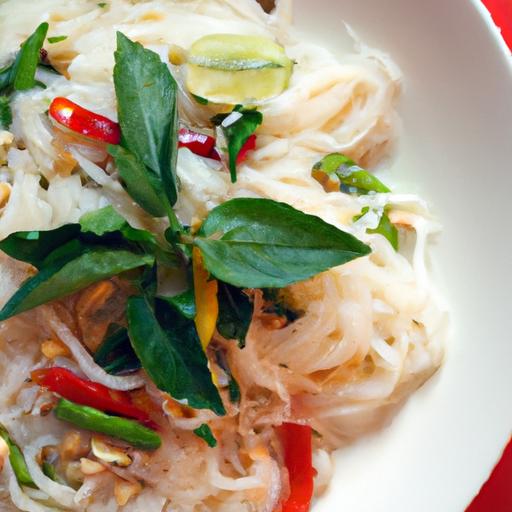


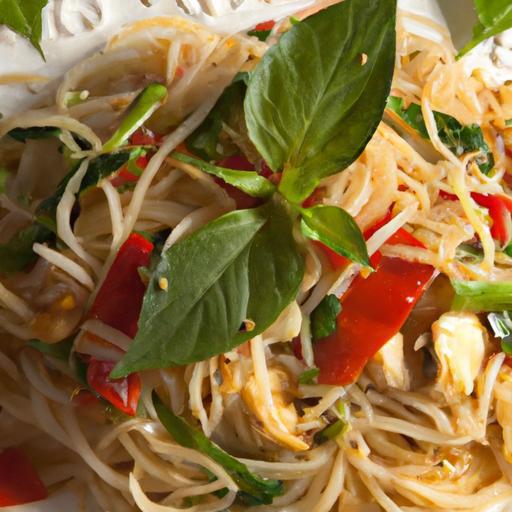
In the vibrant world of Southeast Asian cuisine, few dishes capture the essence of bold flavors and aromatic finesse quite like Thai basil noodles. This culinary gem invites adventurous food lovers to embark on a sensory journey where fragrant herbs, spicy chilies, and savory sauces converge in perfect harmony. whether enjoyed as a street food favorite or a home-cooked delight, Thai basil noodles offer a tantalizing blend of textures and tastes that awaken the palate and satisfy the soul. In this guide, we’ll explore the origins, essential ingredients, and cooking techniques that bring this iconic dish to life-inviting you to savor every bite of this unforgettable noodle delight.
Savor the Flavors: A Guide to Thai Basil Noodles Delight
Savor the flavors of Thai basil noodles,a vibrant dish that marries bold aromatic herbs with perfectly balanced textures and flavors. originating from the bustling street food stalls of Thailand, these noodles deliver an unforgettable harmony of spicy, savory, and slightly sweet notes underlined by the distinct floral kick of fresh Thai basil. this recipe will guide you through understanding the essential qualities of thai basil, selecting noodles that complement its essence, and mastering the techniques to create an authentic experience right in your kitchen.
Prep and Cook Time
- Prep Time: 15 minutes
- Cook Time: 12 minutes
- Total Time: 27 minutes
Yield
- Serves 4 hungry diners
Difficulty Level
- Easy to Medium – perfect for home cooks looking to explore vibrant Thai flavors
Ingredients
- 8 oz fresh or dried wide rice noodles (preferably pad see ew style)
- 2 tablespoons vegetable oil (or peanut oil for a nutty aroma)
- 3 cloves garlic, finely minced
- 1 shallot, thinly sliced
- 8 oz boneless chicken thighs, thinly sliced (or firm tofu for vegetarian option)
- 1 cup fresh Thai basil leaves, loosely packed
- 2 tablespoons soy sauce (use tamari for gluten-free)
- 1 tablespoon oyster sauce
- 1 teaspoon fish sauce
- 1 teaspoon palm sugar (or brown sugar)
- 1 small red chili, thinly sliced (optional for heat)
- 1/2 cup green beans, cut into 1-inch pieces
- 1 lime, cut into wedges (for serving)
Instructions
- Prepare the noodles: If using fresh rice noodles, gently separate and soak them in warm water for 10 minutes to loosen. For dried noodles, soak according to package instructions until pliable but not mushy. Drain well before cooking.
- Heat the pan: In a large wok or non-stick skillet,heat the vegetable oil over medium-high heat until shimmering,but not smoking.
- Sauté aromatics: Add minced garlic and sliced shallots, stir-frying for about 1 minute until fragrant and lightly golden but not burnt.
- Cook the protein: Toss in sliced chicken thighs (or tofu) and stir-fry until just cooked through and beginning to caramelize,about 4-5 minutes.
- Add green beans: Incorporate green beans and cook for 2 minutes more to keep a vibrant crunch.
- Combine the sauces: Stir together soy sauce, oyster sauce, fish sauce, and palm sugar in a small bowl until sugar dissolves. Pour the mixture evenly over the protein and veggies, tossing to coat thoroughly.
- Incorporate noodles: Add the noodles,gently folding and tossing to avoid breaking them. Sauté for 2-3 minutes, ensuring noodles soak up the sauce without becoming sticky.
- Finish with Thai basil and chili: Remove pan from direct heat briefly, toss in fresh Thai basil leaves and sliced chili. Stir just until basil is wilted and releases its aromatic essence.
- Plate creatively: Transfer to serving plates and garnish with extra basil sprigs and lime wedges for brightness.
Tips for Success
- Choose your basil wisely: Thai basil offers a unique anise-like aroma distinct from sweet basil. Fresh is best – pick leaves that are vibrant green with no wilting or discoloration.
- Noodle texture matters: For this dish, avoid thin vermicelli or overly soft noodles. Wide rice noodles deliver that chewy yet tender bite essential to balance the sauces and herbs.
- Control heat carefully: Keep your wok or pan hot but regulated; too high and garlic burns, too low and noodles get soggy.
- Make-ahead shortcut: Pre-slice veggies and protein to streamline stir-frying. Keep sauces mixed and ready to add.
- Protein variations: Swap chicken for shrimp, pork, or firm tofu to tailor the dish to your preferences.
Serving Suggestions
Serve your Thai basil noodles piping hot with fresh lime wedges to squeeze over before each bite, adding an invigorating citrus brightness. Garnish with extra Thai basil leaves or delicate microgreens for a fresh contrast. A crisp cucumber salad or lightly pickled carrot slaw pairs wonderfully alongside to refresh the palate. For drinks, a chilled Thai iced tea or a crisp Riesling elevate this meal beautifully.

| Nutrient | Amount (per serving) |
|---|---|
| Calories | 350 |
| Protein | 25g |
| Carbohydrates | 40g |
| Fat | 10g |
To deepen your exploration of Thai ingredients and culinary traditions, explore our Guide to Thai Cooking Essentials. For a ancient viewpoint on Thai basil and its uses, the Encyclopedia britannica offers a detailed overview.
Q&A
Q&A: Savor the Flavors – A Guide to Thai Basil Noodles Delight
Q1: what makes Thai Basil Noodles so special?
A1: Thai Basil Noodles are a vibrant party of flavors, combining the aromatic intensity of fresh Thai basil with the satisfying chewiness of noodles. This dish masterfully balances savory, sweet, spicy, and herbal notes, creating a harmonious taste experience that dances on your palate with every bite.
Q2: Which type of basil is traditionally used in Thai Basil Noodles?
A2: The star herb here is Thai holy basil (known as ‘bai krapow’ in Thai). Unlike the sweet Italian variety, Thai holy basil has a peppery, slightly spicy aroma that adds a unique pungency-essential for that authentic, mouth-tingling kick.
Q3: Can I customize the spice level in Thai Basil Noodles?
A3: Absolutely! The beauty of this dish lies in its adaptability. Whether you crave a fiery blast or a gentle warmth, you can adjust the amount and type of chili peppers used. Some prefer bird’s eye chilies for spice,while others might opt for milder red chili flakes.
Q4: What protein options pair well with Thai Basil Noodles?
A4: Traditionally, ground chicken, pork, or shrimp are popular choices, but tofu or tempeh make excellent plant-based alternatives. The key is to infuse the protein with soy sauce, oyster sauce, and aromatic garlic before tossing it with the noodles and basil for maximum flavor.Q5: How do the noodles contribute to the overall dish?
A5: Rice noodles, particularly the flat, thin varieties, are preferred because they effortlessly soak up the luscious sauce while maintaining a delicate, silky texture. They act as a perfect canvas, allowing the fragrant basil and savory seasonings to shine through.
Q6: What common mistakes should be avoided when making Thai Basil Noodles?
A6: Overcooking the noodles is a common pitfall-aim for just-tender to keep that perfect bite. Also, don’t skip the holy basil; substituting the wrong basil loses that signature flavor. Lastly, beware of overpowering sweetness-balance is key to authentically savoring each element.Q7: Any tips for serving and garnishing?
A7: Serve your Thai Basil Noodles hot, fresh from the wok, garnished with a wedge of lime for brightness, extra fresh Thai basil leaves for herbal punch, and crushed peanuts for a delightful crunch. A drizzle of chili oil can add extra depth for spice lovers.
Q8: Where did Thai Basil Noodles originate?
A8: This flavorful dish hails from the bustling street kitchens of Thailand, where speedy stir-fries reign supreme. It’s a humble yet beloved recipe that perfectly reflects Thai culinary philosophy-dynamic flavors, fresh ingredients, and speedy, thoughtful cooking.
Q9: can I enjoy Thai Basil Noodles if I’m new to spicy food?
A9: Definitely! You can tone down the heat while keeping the rich layers of flavor intact.Start mild and gradually experiment with spice as your palate adapts; Thai Basil Noodles offer a delicious gateway to the world of thai cuisine.
Q10: Why should adventurous eaters add Thai Basil Noodles to their recipe repertoire?
A10: Because this dish is a joyful symphony of tastes and textures, blending spicy, savory, herbal, and sweet notes into a satisfying meal. It’s quick, versatile, and irresistible-a perfect way to savor the soul of Thailand from your own kitchen.
Future Outlook
As you embark on your own culinary adventure with Thai basil noodles, remember that this vibrant dish is much more than a meal-it’s a celebration of bold flavors, fragrant herbs, and the rich cultural tapestry of Thailand. Whether you’re a seasoned cook or a curious food lover, mastering the delicate balance of spicy, sweet, and savory notes will transport your taste buds to bustling street markets and cozy home kitchens alike. So gather your ingredients, embrace the sizzle of the wok, and let each bite of Thai basil noodles be a flavorful journey that delights and inspires. Happy cooking-and even happier savoring!