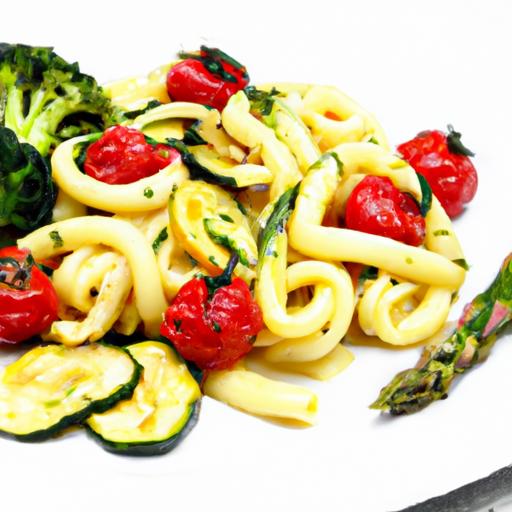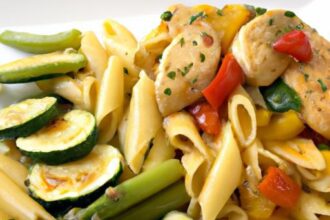

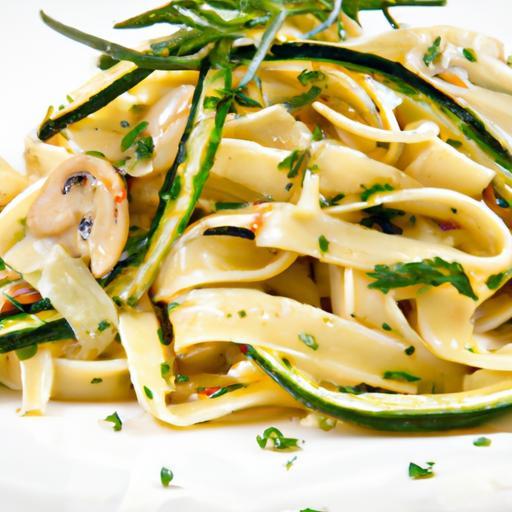
As the first blossoms of spring awaken the senses and nature bursts forth in a vibrant symphony of colors, our kitchens call for dishes that celebrate freshness and vitality. Enter Pasta Primavera-a timeless springtime classic that captures the very essence of the season with every bite. Brimming with crisp, tender vegetables and tossed in a light, flavorful sauce, this dish transforms simple ingredients into a feast for both the eyes and palate. Whether you’re welcoming the warmer days or seeking a bright, healthy meal, Pasta Primavera offers a perfect harmony of texture, taste, and color that embodies the spirit of spring on a plate. Let’s dive into the story behind this beloved recipe and discover how you can bring its fresh, flavorful magic into your home.
Fresh & Flavorful Pasta Primavera celebrates the joyous bounty of spring, inviting vibrant seasonal vegetables to shine in each bite. This beloved Italian-American dish captures the essence of renewal, combining crisp garden-fresh produce with tender pasta, all enlivened by a light, zesty sauce that bursts with freshness. Whether you’re revisiting a nostalgic classic or discovering it anew, this recipe promises a delightful balance of textures and flavors that’s both elegant and approachable.
Prep and Cook Time
- Preparation: 20 minutes
- Cooking: 15 minutes
- Total: 35 minutes
Yield
Serves 4 generous portions
Difficulty Level
Easy – Perfect for home cooks seeking a fresh, vibrant meal with minimal fuss
Ingredients
- 12 oz linguine or fettuccine pasta
- 1 cup sugar snap peas, trimmed
- 1 cup asparagus tips, cut into 2-inch pieces
- 1 medium zucchini, thinly sliced
- 1 cup cherry tomatoes, halved
- 1 medium yellow bell pepper, julienned
- 3 cloves garlic, finely minced
- 1/3 cup extra virgin olive oil
- Juice and zest of 1 lemon
- 1/4 cup fresh basil leaves, chopped
- 1/4 cup fresh parsley, chopped
- 1/4 cup grated Parmesan cheese (optional)
- Salt and freshly ground black pepper, to taste
- Red pepper flakes (optional, for a subtle kick)
Instructions
- Cook the pasta: bring a large pot of salted water to a boil. Add linguine and cook according to package instructions until al dente, about 9-11 minutes.Reserve 1 cup of pasta water, then drain and set aside.
- Prepare the vegetables: While pasta cooks, heat 2 tablespoons olive oil in a large skillet over medium heat. Add minced garlic and sauté until fragrant but not browned, about 1 minute.
- Sauté the veggies: Add the asparagus, sugar snap peas, zucchini, and bell pepper. Sauté gently for 4-5 minutes, stirring occasionally, until vegetables are tender yet crisp and colorfully vibrant.
- Add cherry tomatoes and seasoning: Stir in the halved cherry tomatoes, lemon zest, salt, pepper, and red pepper flakes if using. Cook for an additional 2 minutes to allow tomatoes to release their juice, enhancing the sauce’s brightness.
- create the light, zesty sauce: Remove skillet from heat. Stir in lemon juice, fresh basil, and parsley. Slowly add reserved pasta water as needed to loosen the sauce, creating a silky texture that clings beautifully to the pasta and vegetables.
- Combine pasta and sauce: Add the drained pasta directly into the skillet. Toss gently to coat every strand in the sauce, ensuring an even distribution of vibrant veggies for harmonious flavor in every bite.
- Finish and serve: Drizzle remaining olive oil for gloss and richness. Taste and adjust seasoning. Serve immediately, garnished with freshly grated Parmesan and extra herbs.
Tips for Success
- Choose seasonal vegetables like spring peas, asparagus, or baby carrots that offer sweetness and crunch, enhancing the freshness of your pasta primavera.
- Don’t overcook the vegetables. Aim for tender-crisp to retain vibrant color and a satisfying bite, critical for textural harmony with pasta.
- Use freshly squeezed lemon juice rather than bottled for a brighter, cleaner citrus note in the sauce.
- Reserve pasta water thoughtfully; its starch helps emulsify the sauce, making it silky and cohesive.
- customize with herbs. Swap parsley or basil for tarragon or chives to tailor the flavor profile to your palate.
- make ahead tip: Prepare and sauté vegetables in advance, then toss with freshly cooked pasta and finish the sauce just before serving for optimal freshness.
Serving Suggestions
For an elegant presentation, twirl the freshly sauced pasta into nests on each plate. Garnish with a scattering of chopped basil and parsley, a lemon wedge for added zing, and a delicate dusting of freshly grated Parmesan. For a touch of color and crunch, sprinkle toasted pine nuts or slivered almonds atop. Pair this bright, vibrant Pasta Primavera with a chilled glass of sauvignon Blanc or a crisp sparkling water infused with cucumber and mint to truly impress your guests.
| Nutrient | Per Serving |
|---|---|
| Calories | 380 |
| Protein | 12g |
| Carbohydrates | 52g |
| Fat | 12g |

Discover more spring-inspired pasta recipes to celebrate the season with color and flavor. For insights on the health benefits of seasonal vegetables, visit the Harvard T.H. Chan School of Public Health.
Q&A
Q&A: Fresh & Flavorful Pasta Primavera – A Springtime Classic Recipe
Q1: What makes Pasta Primavera the perfect springtime dish?
A1: Pasta Primavera bursts with the vibrant colors and crisp textures of spring’s freshest vegetables. It celebrates the season’s abundance-think tender asparagus, sweet peas, and ripe cherry tomatoes-tossed in al dente pasta, creating a light yet satisfying meal that embodies renewal and freshness.
Q2: Is Pasta Primavera traditionally a heavy or light pasta dish?
A2: Traditionally, Pasta Primavera is a light, bright dish. Unlike cream-laden pastas, it relies on fresh vegetables and subtle seasoning-olive oil, garlic, fresh herbs, and a hint of lemon zest-to keep flavors lively and the palate refreshed.Q3: Can Pasta Primavera be made vegetarian or vegan?
A3: Absolutely! The classic recipe is inherently vegetarian since it revolves around vegetables and pasta. To make it vegan, simply substitute Parmesan cheese with a plant-based alternative or nutritional yeast, and ensure the pasta contains no eggs. The result: a delightful, cruelty-free celebration of spring flavors.
Q4: What types of pasta work best in this recipe?
A4: The best pasta for Primavera is one that cradles the veggies without overpowering them. Think slender strands like linguine or fettuccine, or short shapes like penne or farfalle. Their texture and shape offer a perfect bite, balancing tenderness with a slight chew.
Q5: How can I brighten the flavors of Pasta Primavera?
A5: Fresh herbs are key-basil, parsley, or thyme add aromatic brightness. A squeeze of lemon juice or a sprinkle of lemon zest right before serving invigorates the dish further. a drizzle of good quality extra virgin olive oil deepens the flavor while enhancing creaminess without heaviness.
Q6: Can I prepare Pasta Primavera ahead of time?
A6: While best enjoyed fresh to retain its crisp vegetable textures and vibrant flavors, you can prep components in advance. Chop the vegetables and cook the pasta separately, then combine and toss with herbs and olive oil just before serving. This keeps the dish lively and prevents it from becoming soggy.
Q7: What wine pairs well with Pasta Primavera?
A7: Look for light to medium-bodied whites with zesty acidity to match the freshness of the vegetables. Sauvignon Blanc,Pinot Grigio,or a dry Riesling highlight the herbaceous and citrus notes,making the meal feel like an al fresco springtime feast.
Q8: Are there any creative twists to try on the classic recipe?
A8: Indeed! Try adding toasted pine nuts or slivered almonds for crunch; sprinkle crumbled goat cheese rather of Parmesan for tang; or toss in a handful of arugula for peppery depth.For a protein boost, grilled shrimp or chicken work beautifully without overshadowing the seasonal veggies.
This Q&A aims to inform and inspire readers to embrace Pasta Primavera as a fresh, flavorful ritual of spring’s bounty-one appetizing forkful at a time.
To Wrap It Up
As the seasons change and fresh produce returns to the spotlight, Pasta Primavera stands as a vibrant celebration of spring’s bounty. This dish, with its medley of colorful vegetables and bright, herbaceous notes, doesn’t just satisfy hunger-it invites you to savor the essence of renewal and growth on every forkful. Whether you’re a seasoned home cook or a curious kitchen adventurer, embracing this springtime classic is a delicious way to connect with nature’s rhythms and bring a fresh, flavorful touch to your table. So next time the market overflows with crisp asparagus, sweet peas, and ripe tomatoes, remember that Pasta Primavera is more than a meal-it’s a taste of spring itself.