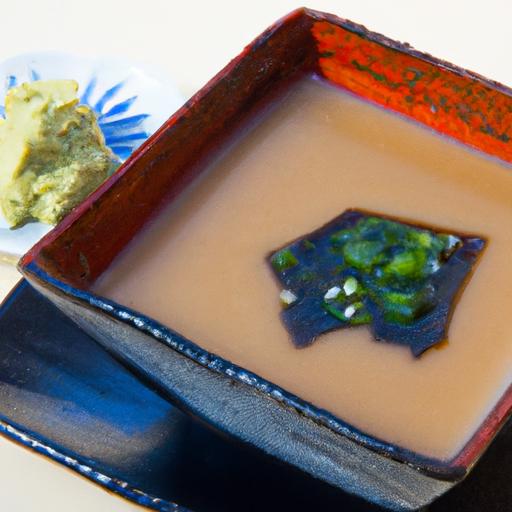



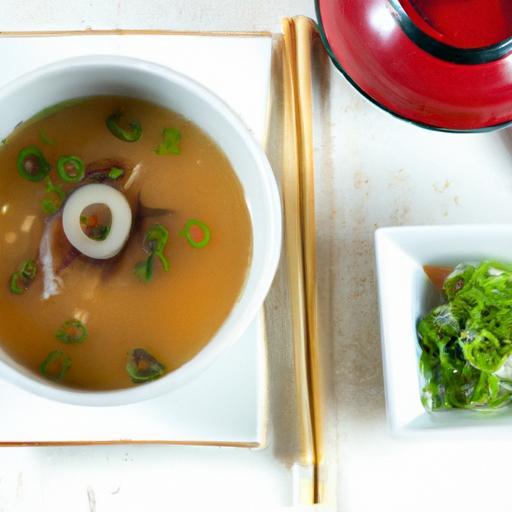
There’s a magic in that first warm sip of miso soup-earthy, savory, and deeply comforting. this humble bowl, cherished for centuries in Japanese kitchens, is more than just a starter; it’s a gentle unlock to umami, the elusive “fifth taste” that transforms simple ingredients into a symphony of flavor. Whether you’re a seasoned foodie or a curious home cook, mastering an easy miso soup recipe is your gateway to embracing this rich culinary tradition. Let’s dive into the art of crafting miso soup at home-simple, satisfying, and absolutely flavorful.
Unlock Umami is at the heart of every bowl of perfectly crafted miso soup, transforming simple ingredients into a comforting and savory masterpiece.Rooted deeply in Japanese culinary tradition, this dish offers an unexpected depth of flavor that’s both soothing and invigorating. Let me guide you through the secret ingredients and thoughtful techniques that elevate this humble soup into an unforgettable experience.
Prep and Cook Time
- Preparation: 10 minutes
- Cooking: 15 minutes
- Total Time: 25 minutes
Yield
- 4 generous servings
Difficulty level
- Easy – perfect for home cooks of all skill levels
Ingredients
- 4 cups of dashi stock (preferably homemade or kombu and bonito-based for authentic umami)
- 3 tablespoons white miso paste (shiromiso)
- 1/2 cup silken tofu, diced into small cubes
- 1/4 cup wakame seaweed, dried and rehydrated
- 2 scallions, thinly sliced on the diagonal
- 1 teaspoon soy sauce (optional for added depth)
- 1/2 teaspoon toasted sesame oil (optional for a subtle nutty finish)
- Fresh ginger slices (about 3 thin pieces – optional for gentle warmth)
Step-by-Step Instructions to Craft the Perfect Umami-Rich Broth
- Prepare the dashi stock: Begin by gently warming 4 cups of pre-made dashi stock in a medium saucepan over medium heat. If making from scratch, steep kombu (kelp) for 30 minutes in cold water then gently heat until just before boiling, remove kombu, and add bonito flakes. strain after 5 minutes for clear umami essence.
- Add fresh aromatics: Drop in the ginger slices and allow the stock to simmer gently for 5 minutes. This subtle step infuses warmth without overpowering the delicate flavors.
- Rehydrate wakame: While the stock simmers,soak the dried wakame in warm water for 5 minutes until it expands and softens,then drain thoroughly.
- Blend in the miso: Ladle about 1 cup of hot dashi into a bowl and whisk in the miso paste until wholly smooth-this prevents clumping. Slowly stir the miso mixture back into the pot, keeping heat low to avoid boiling and preserving miso’s delicate probiotic qualities.
- Add tofu and wakame: Carefully fold in soft tofu cubes and rehydrated wakame to the broth. Warm gently for 2-3 minutes without boiling to maintain tofu texture and vibrant wakame.
- Final seasonings: Stir in soy sauce and toasted sesame oil for extra savory layers and aromatic complexity. Adjust to taste.
- Garnish and serve: Remove ginger slices,ladle soup into bowls,and sprinkle scallions on top for a fresh,crisp contrast.
Tips and Tricks for Customizing Your Miso Soup to Suit Every Palate
- Vary miso types: Experiment with red (akamiso) or mixed (awase miso) for bolder, earthier notes. White miso is mild and subtly sweet-great for beginners.
- Protein options: Add thinly sliced mushrooms, shrimp, or enoki for varied textures and flavor boosts.
- Make it vegan: Substitute dashi with kombu-only broth and use mushroom-based miso sauces for a plant-kind umami hit.
- Storage & Reheating: Store miso soup in airtight containers for up to two days but add miso paste fresh when reheating to maintain flavor integrity.
- Texture balance: Never boil miso soup after adding paste; boiling degrades flavor and kills probiotics.
Chef’s Notes
Freshness is paramount when selecting ingredients. Superior dashi stock and freshly sliced scallions elevate the final soup beyond ordinary versions.Don’t rush the miso incorporation-slow blending guarantees a creamy, velvety broth. Use a fine mesh sieve if you prefer a smoother texture.
Serving Suggestions
Present your miso soup in traditional Japanese lacquer bowls or rustic ceramic mugs to highlight its natural golden color and clarity. Accompany with steamed jasmine rice and pickled vegetables for a complete meal.garnish with a sprinkle of toasted sesame seeds or a delicate twist of yuzu zest to add an extra burst of fragrance and allure. For a modern twist, consider topping with microgreens or a thinly sliced shiso leaf to brighten the palate.

| Nutrient | per Serving |
|---|---|
| Calories | 70 |
| Protein | 5g |
| Carbohydrates | 6g |
| Fat | 2g |
For even more deep-dive flavor tips, check out our Ultimate Guide to Japanese Dashi Broth. To learn about the science behind umami, visit this UC Davis food science article.
Q&A
Q&A: Unlock Umami – Easy Miso Soup Recipe for Home Cooks
Q1: What exactly is umami, and why is it vital in miso soup?
A: Umami is the savory “fifth taste” that rounds out the flavor palette, often described as deeply satisfying and mouth-watering.In miso soup, umami comes mainly from fermented miso paste and dashi broth, creating that rich, comforting depth that keeps you coming back for more.
Q2: I’m a beginner-how hard is it to make miso soup at home?
A: Surprisingly easy! With just a few simple ingredients-miso paste, dashi, tofu, and green onions-you can whip up authentic miso soup in under 15 minutes. No fancy skills required, just a love for delicious flavors and a bit of curiosity.
Q3: What’s the secret to a flavorful dashi broth? Can I make it from scratch?
A: Absolutely! Traditional dashi is made from kombu (dried kelp) and katsuobushi (bonito flakes). Steep kombu in water just below boiling, remove it, then add bonito flakes for a few minutes before straining. If you’re short on time,instant dashi powder works perfectly too. Either way, you’ll unlock that smoky-savory base essential to miso soup.
Q4: Are there different types of miso paste? Which one should I use?
A: Yes! Miso comes in many varieties, from white (shiromiso), which is mild and sweet, to red (akamiso), which is richer and saltier. For beginners, start with white miso-its gentle flavor pairs beautifully with a variety of ingredients and won’t overpower your soup.
Q5: Can I customize my miso soup? What ingredients work well?
A: One of miso soup’s joys is its versatility. Feel free to add sliced shiitake mushrooms, wakame seaweed, green onions, tofu cubes, or even thinly sliced veggies like daikon or carrots. Each addition adds layers of texture and flavor,making the soup uniquely yours.
Q6: How do I avoid curdling the miso paste when adding it to the broth?
A: Great question! To keep miso smooth and silky, never boil the soup after adding the miso paste. Rather, remove the pot from heat, stir in the miso until dissolved, and serve promptly. this preserves the delicate enzymes and flavors in the miso.
Q7: Can I make miso soup vegan or vegetarian?
A: Definitely! Skip the bonito flakes in your dashi and use kombu-only broth or mushroom-based stock instead. Use plant-based tofu and seaweed, and you’ve got a savory vegan umami boost that’s just as nourishing and delicious.
Q8: Why is miso soup considered healthy?
A: Beyond its comforting warmth, miso soup is packed with probiotics from fermented miso, which aids digestion and boosts gut health. It’s low in calories but rich in vitamins, minerals, and antioxidants-making it a wholesome addition to any meal.
Q9: How should I store leftover miso soup?
A: It’s best enjoyed fresh, but you can refrigerate leftovers in an airtight container for up to 2 days. reheat gently without boiling to preserve the integrity of the miso’s flavors and nutrients.
Q10: Any final tips for home cooks eager to unlock umami in their kitchen?
A: Embrace simplicity and experimentation. Start with quality ingredients, respect the delicate balance of heat and timing, and don’t be afraid to add your personal twist. Unlocking umami through miso soup is as much about savoring the process as it is about the delicious results. Happy cooking!
Wrapping Up
as you tuck into your warm bowl of homemade miso soup, remember that this humble dish is more than just comfort food-it’s a gateway to unlocking the rich, savory world of umami right in your own kitchen. With a few simple ingredients and a sprinkle of culinary curiosity, you’ve transformed pantry staples into a broth brimming with depth and nourishment. So next time you crave something both soothing and sophisticated, let this easy miso soup recipe be your go-to, inviting you to savor the subtle magic of umami in every spoonful. Happy cooking-and even happier sipping!