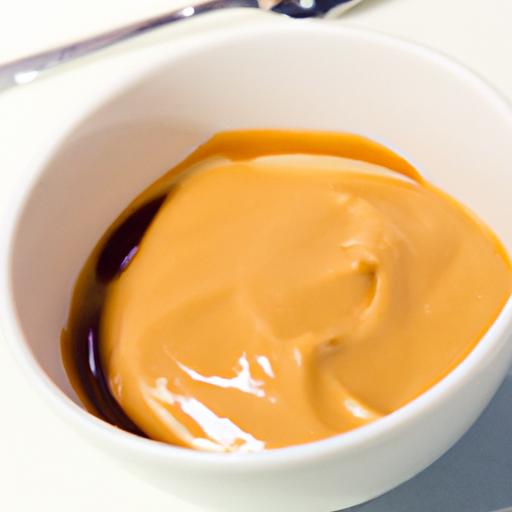

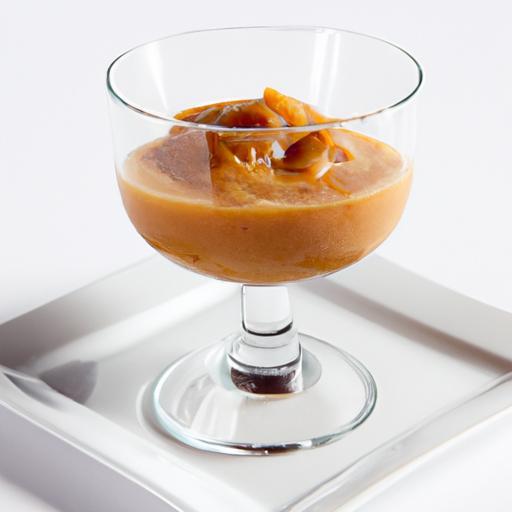
Ther’s a certain magic in the velvety embrace of butterscotch pudding-a luscious confection that dances on the tongue with notes of caramelized sugar, buttery warmth, and just a whisper of vanilla. Butterscotch bliss is more than just a dessert; it’s a symphony of science and sweetness, a carefully choreographed chemical ballet that transforms simple ingredients into creamy indulgence. In this article, we’ll pull back the curtain on the sweet science behind the pudding, exploring how sugars caramelize, how milk and butter meld, and what makes butterscotch pudding an enduring favorite on dessert menus and dinner tables around the world. Prepare to uncover the flavorful secrets hidden within each spoonful of Butterscotch Bliss.
Butterscotch Bliss begins with the harmony of simple yet precise ingredients, a delicate dance of caramelized sugar and golden butter that creates the soul of this beloved pudding. Imagine a silken,velvety texture that melts on your tongue,revealing layers of warmth,sweetness,and deep buttery notes-a true testament to the sweet science behind the pudding.
Prep and Cook Time
- Preparation: 15 minutes
- Cooking: 25 minutes
- Chilling: 2 hours (recommended)
Yield
Serves 6 generous portions
Difficulty Level
Medium – Perfect for passionate home cooks ready to elevate their dessert skills
Ingredients
- 1 cup packed light brown sugar,for rich caramel flavor and smooth sweetness
- 6 tablespoons unsalted butter,cut into pieces,toffee’s best friend
- 2 cups whole milk,warm,ensuring smooth incorporation
- 1 cup heavy cream,adds luxurious creaminess
- 3 large egg yolks,room temperature,for natural richness and thickness
- 1/4 cup cornstarch,sifted,to create that perfect pudding texture
- 1 teaspoon pure vanilla extract,the subtle floral pop that finishes the pudding
- 1/2 teaspoon fine sea salt,balances sweetness and highlights butterscotch depth
Instructions
- Warm the dairy: In a medium saucepan,combine the whole milk and heavy cream. Heat gently over medium until just steaming, about 3-4 minutes.Keep warm while preparing the sugar mix.
- Caramelize the sugar and butter: In a separate heavy-bottomed pan, melt the unsalted butter over medium heat. Add the light brown sugar and cook, stirring constantly, until the mixture bubbles and deepens to a rich amber but not burnt, about 5-7 minutes.
- Temper the yolks: In a bowl, whisk together the egg yolks and cornstarch until smooth and pale. Slowly pour about a half cup of the warm milk mixture into the egg yolks while whisking vigorously to prevent curdling-this crucial step unlocks fluid creaminess.
- Create the pudding base: Gradually pour the tempered egg yolk mixture back into the saucepan with the caramelized sugar and butter. Stir constantly with a wooden spoon or heatproof spatula over medium-low heat. The mixture will thicken in 6-8 minutes-take care not to let it boil.
- Finish and flavor: Remove from heat and stir in the vanilla extract and sea salt, elevating the butterscotch’s natural complexity.
- Cool with care: pour the pudding through a fine mesh sieve into a clean bowl to ensure supreme silkiness. Cover with plastic wrap pressed directly onto the surface to prevent a skin from forming. Chill for at least 2 hours.
- Serve and savor: Once fully chilled, give the pudding a gentle stir before plating-now you have a luscious canvas for your garnish and presentation creativity.
Tips for Success: Crafting the Ultimate Butterscotch Bliss
- Temperature mastery: Control is vital. Keep your heat moderate when caramelizing sugar to avoid bitterness that overshadows butterscotch delight.
- Patience with chilling: Cooling deepens flavors and achieves that pudding’s signature set texture-skip this and you risk a runny finish.
- Substitutions: Use half-and-half instead of heavy cream for a lighter pudding, or experiment with browned butter for a nuttier undertone.
- Flavor enhancers: A pinch of freshly grated nutmeg or espresso powder can add a subtle warmth and complexity to your pudding.
- Make ahead: Prepare up to 2 days in advance, storing covered in the refrigerator to let flavors fully develop.
Serving Suggestions
Present your Butterscotch Bliss pudding in clear glass ramekins or vintage dessert bowls to showcase its rich, gleaming surface. top with a dollop of freshly whipped cream lightly dusted with cinnamon or finely chopped toasted pecans for textural contrast. fresh berries,such as raspberries,can brighten the dish visually and flavor-wise. For an indulgent twist, drizzle with a salted caramel sauce or serve alongside crisp shortbread cookies.

| Nutrient | Per Serving |
|---|---|
| Calories | 320 kcal |
| Protein | 5g |
| Carbohydrates | 40g |
| Fat | 16g |
For deeper insight into custards and puddings, explore our detailed guide on Classic Custard Techniques. For background on sugar caramelization science, this Exploratorium guide offers a fascinating breakdown.
Q&A
Q&A: Butterscotch Bliss - The Sweet Science Behind the Pudding
Q1: What makes butterscotch pudding so irresistibly creamy and flavorful?
A1: At its core, butterscotch pudding is a symphony of butter, brown sugar, and cream melding together. The magic lies in the Maillard reaction-a chemical dance between amino acids and sugars during browning-that develops the deep caramel notes essential to butterscotch’s signature taste. When cooked gently, this reaction creates layers of rich, toasty flavors, while the starches in the pudding base thicken the mixture into that luscious, silky texture we adore.
Q2: How dose the choice of sugar influence the butterscotch flavor?
A2: Brown sugar is the hero of butterscotch pudding. Unlike white sugar, brown sugar contains molasses, which introduces moisture and a complex, slightly tangy sweetness. This molasses content amplifies the caramelization process and adds those warm,buttery undertones. Using dark brown sugar results in a richer, deeper flavor, while light brown sugar offers a milder butterscotch character.
Q3: Why is butter so crucial in achieving that classic butterscotch taste?
A3: Butter isn’t just a fat; it’s a flavor catalyst. When melted and browned slightly, butter releases nutty compounds and brings a velvety mouthfeel. It also melds with the sugars, creating butterscotch’s signature smoothness and balancing sweetness with a subtle savory note. The quality of butter can even alter the final pudding’s depth,with creamier butters adding a luxurious richness.
Q4: can the science of temperature control make or break your pudding?
A4: Absolutely.Temperature reigns supreme in butterscotch pudding creation. Too hot, and sugars can burn, resulting in bitterness rather than sweetness; too cool, and the pudding won’t thicken properly. Slow, steady heat allows precise caramelization and starch gelatinization, ensuring the pudding thickens just right while developing those full-bodied butterscotch flavors.
Q5: What role do eggs play in conventional butterscotch pudding recipes?
A5: Eggs act as natural thickeners and emulsifiers,binding the ingredients and giving pudding its luscious,custard-like consistency. The proteins in eggs coagulate when heated, creating a stable structure that holds the pudding together. However, timing is crucial-overcooking risks curdling, while undercooking results in a runny texture. When used,eggs elevate the pudding’s silkiness and add a subtle richness.
Q6: How can one experiment with butterscotch pudding without losing its classic essence?
A6: The beauty of butterscotch pudding lies in its versatility. You can infuse it with sea salt for a salted caramel twist, add a touch of bourbon to enhance complexity, or fold in toasted nuts for texture. Just remember to maintain the foundational balance of butter and brown sugar, as they are the heart of it all. Even swapping cream for coconut milk offers a delightful variation while preserving that indulgent mouthfeel.
Q7: Why does butterscotch pudding have such enduring popularity through culinary history?
A7: Butterscotch pudding taps into our primal love for sweet, creamy comforts while showcasing a fascinating interplay of chemistry and technique. Its nostalgic flavors evoke warmth and home, yet its creation involves intricate science-the perfect caramelization, starch thickening, and emulsification. This fusion of sensory delight and culinary precision keeps butterscotch pudding timelessly irresistible.
Dive into butterscotch bliss, and you’ll uncover a perfect blend of art, science, and sweet satisfaction!
key Takeaways
As we wrap up our journey through the golden depths of butterscotch bliss, it’s clear that this comforting pudding is more than just a sweet treat-it’s a delicate dance of chemistry and craft.From the caramelized sugars that paint its glossy sheen to the velvety interplay of cream and butter, every spoonful tells a story of transformation and taste. So next time you savor that rich, buttery bite, remember the sweet science simmering just beneath the surface, elevating simple ingredients into a timeless dessert masterpiece.Butterscotch pudding isn’t merely food for the palate-it’s a science-made-sweet celebration, inviting us all to indulge in the magic of culinary alchemy.