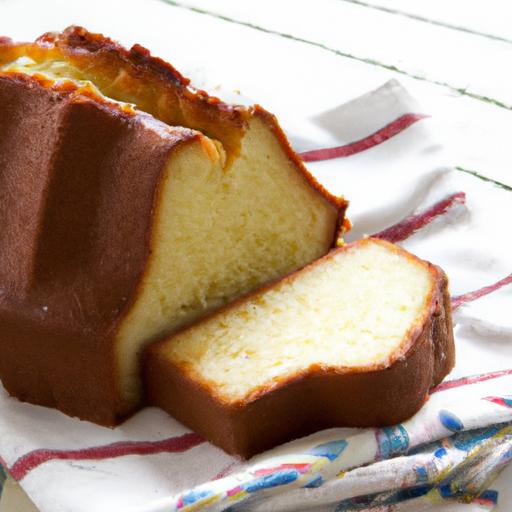

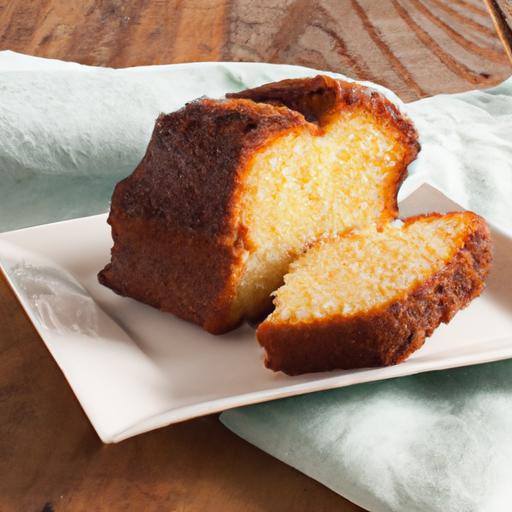
There’s a certain magic in the humble pound cake-a golden loaf that has graced kitchen tables for centuries, embodying simplicity and elegance in every buttery, tender slice. More than just a dessert,classic pound cake carries with it stories of tradition,craftsmanship,and a baking technique perfected over generations. In this exploration, we’ll uncover the timeless charm that keeps this cake a beloved staple, along with the secrets that unlock its irresistibly rich texture and delicate crumb. Whether you’re a seasoned baker or a curious newcomer, the world of pound cake invites you to savor both its history and the art of its creation.
Discover the Origins and Enduring Appeal of Classic Pound Cake
The Timeless Charm and Secrets of Classic Pound Cake Baking have captivated dessert lovers for centuries, blending simplicity with indulgence in every moist, buttery bite. Originating in 18th-century Europe, this iconic cake was traditionally made with a pound each of flour, butter, sugar, and eggs – a straightforward formula that ensured a dependable, dense cake. Its heritage lies in elegance and accessibility,making it a staple in home baking across cultures. From my own kitchen, the aroma of a freshly baked pound cake transports me to cozy afternoons filled with warm conversations and comforting simplicity. Its timeless nature lies in its adaptability: perfect plain or dressed up with zesty glazes, fresh fruits, or rich frostings.
Prep and Cook Time
- Planning: 15 minutes
- Baking: 60 minutes
- Cooling: 20 minutes
Yield
One 9×5 inch loaf; approximately 10 generous servings
Difficulty Level
Medium - ideal for bakers with a basic understanding of mixing and baking techniques
Ingredients
- 2 cups all-purpose flour, sifted
- 1 cup unsalted butter, softened
- 1 ½ cups granulated sugar
- 4 large eggs, at room temperature
- 1 teaspoon pure vanilla extract
- ½ teaspoon fine sea salt
- ½ cup whole milk, warmed
- 1 teaspoon baking powder (optional, for lighter crumb)
Instructions
- Preheat your oven to 350°F (175°C). Grease and flour a 9×5 inch loaf pan or line it with parchment paper for easy release.
- Cream the butter and sugar together using a stand mixer fitted with a paddle attachment on medium speed until light and fluffy, about 5 minutes. This aeration is crucial for a tender crumb.
- Beat in the eggs one at a time, ensuring each is fully incorporated before adding the next. Add the vanilla extract on the last egg for balanced flavor infusion.
- In a separate bowl, whisk the sifted flour, baking powder (if using), and salt together.
- Alternately add the dry mixture and warmed milk to the butter mixture, beginning and ending with the flour mix. Mix gently on low speed to avoid overworking the batter, which can result in toughness.
- Pour the batter evenly into the prepared loaf pan, smoothing the top with a spatula for an even rise.
- Bake for 55-65 minutes, or until a toothpick inserted in the center emerges clean and the crust turns a deep golden brown. Rotate the pan halfway through baking for even color.
- Allow the cake to cool in the pan for 15 minutes before transferring it to a wire rack to cool completely to lock in moisture.
Chef’s Notes: Mastering the Perfect Texture and Golden Crust
- The balance of ingredients between butter, sugar, and eggs creates the cake’s signature moist crumb and rich flavor. Using room temperature eggs and softened butter ensures impeccable blending.
- If you desire a lighter texture, incorporate 1 teaspoon baking powder. For ultra-rich flavor, substitute part of the milk with sour cream or buttermilk.
- To achieve that classic golden crust, ensure your oven is correctly preheated and avoid opening the door mid-bake.
- Use an aluminum or light-colored metal loaf pan for even heat distribution; dark pans may brown too quickly.
- For a glossy finish,brush the top with a simple syrup or melted butter promptly after baking.
- Classic pound cake can be made up to 2 days ahead, stored wrapped at room temperature. It also freezes beautifully when sliced and sealed.
Flavor Variations to Inspire Your creativity
Elevate your traditional pound cake by infusing the batter with fresh lemon zest or a teaspoon of almond extract.Swirls of crushed berries or chopped nuts add texture and bursts of flavor, while a dusting of powdered sugar or a drizzle of glaze can provide a refined finish. Consider baking in bundt pans for a dramatic presentation,or even mini loaf pans for gifts and celebrations.
Serving Suggestions
Classic pound cake is stunning on its own but truly shines when paired thoughtfully.Serve slices warm or at room temperature with a dollop of freshly whipped cream and seasonal berries or a drizzle of honey-laced mascarpone. For an afternoon treat, accompany with a cup of robust coffee or aromatic chai tea. Garnish with edible flowers or a light dusting of cinnamon sugar for visual and sensory delight.

| Nutrient | Per Serving (approx.) |
|---|---|
| Calories | 320 kcal |
| protein | 5 g |
| Carbohydrates | 38 g |
| Fat | 16 g |
For more cake baking inspiration, explore our detailed guide on making the perfect vanilla cake. To delve deeper into the science behind baking fundamentals, the King Arthur Baking Guide is an excellent resource respected by culinary professionals and passionate home bakers alike.
Q&A
Q&A: The Timeless Charm and Secrets of classic Pound Cake Baking
Q1: What makes a classic pound cake truly timeless?
A1: The classic pound cake’s charm lies in its simplicity and elegance. Traditionally made with equal parts of butter, sugar, eggs, and flour, its straightforward recipe harkens back centuries, embodying a perfect balance of richness and subtle sweetness. Its dense yet tender crumb and buttery flavor make it a versatile canvas for countless variations, ensuring it never goes out of style.
Q2: why is the pound cake named “pound” cake?
A2: The name “pound cake” comes from the original recipe’s proportions: one pound each of butter, sugar, eggs, and flour. This easy-to-remember formula was especially helpful before precise measuring tools were common. Though modern recipes frequently enough tweak these ratios, the heart of the cake remains grounded in this historic weight-based tradition.
Q3: What secret techniques elevate a pound cake from good to unforgettable?
A3: The magic happens in a few subtle steps. First, room-temperature butter and eggs ensure smooth creaming, which incorporates air for a light texture. Beating butter and sugar until fluffy is essential-it’s the foundation of the cake’s tenderness.Another secret is gentle folding of flour to avoid overworking the batter, preserving the cake’s delicate crumb. Slow, patient baking at a moderate temperature also prevents a dry exterior, keeping the center moist and luscious.
Q4: How does the classic pound cake differ from other butter cakes?
A4: Pound cake is denser and richer than many butter cakes, which often rely on chemical leaveners like baking powder. Classic pound cake uses the air trapped during creaming and the structure of eggs for lift, resulting in a tighter crumb and a more buttery, almost velvety texture. while butter cakes tend to be lighter and fluffier,pound cake invites indulgence through its significant mouthfeel.
Q5: Can pound cake be customized without losing its traditional essence?
A5: Absolutely. Pound cake’s minimalist base makes it a versatile canvas. You can infuse citrus zest, extract vanilla or almond, swirl in fresh berries, or fold in nuts and spices. Yet, the key is moderation-these additions should enhance without overpowering the buttery soul of the cake. The true essence lies in preserving that rich, moist crumb and buttery warmth with every bite.
Q6: What’s the best way to serve and store classic pound cake?
A6: Pound cake shines freshly baked, enjoyed plain or dusted with powdered sugar. It pairs exquisitely with fresh fruit, whipped cream, or a drizzle of lemon glaze. For storage, wrap it tightly in plastic wrap or place in an airtight container to maintain moisture. It also freezes beautifully, making it an ideal make-ahead treat. just thaw at room temperature, and it’s ready to charm your palate anew.
Q7: Why does pound cake endure as a beloved dessert across generations?
A7: Pound cake embodies comfort, tradition, and timeless simplicity. It’s a nostalgic link to baking’s past, reminding us of family kitchens and celebrations. its plain yet perfect construction feels like a warm embrace-simple ingredients transformed into a sublimely satisfying experience. This enduring appeal ensures classic pound cake always holds a special place on tables and in hearts worldwide.
Delving into the secrets of classic pound cake reveals much more than a recipe; it’s a party of heritage, technique, and the pure joy of baking.
To Wrap It Up
As the final crumbs of a perfectly baked pound cake dissolve on the tongue,we’re reminded that this humble dessert carries more than sweetness-it holds a storied legacy of time,tradition,and technique. The timeless charm of pound cake lies not just in its rich, buttery crumb but in the secrets passed down through generations: the precise balance of ingredients, the patient folding of batter, and the quiet confidence of the baker. Whether savored warm from the oven or paired with a fragrant cup of tea, classic pound cake invites us to slow down and celebrate the simple joys of baking. In embracing these age-old methods, we keep alive a delicious chapter of culinary history-one slice at a time.