
There’s something irresistibly enchanting about the first bite of a lemon meringue pie-the crisp, tangy zing of lemon curd balanced perfectly by a cloud of airy, toasted meringue. This beloved dessert is more than just a treat; it’s a harmonious blend of art and science, where precise chemistry meets culinary creativity. In ”Zesty Delight: The Sweet Science of Lemon Meringue Pie,” we’ll peel back the layers of this classic confection, exploring how each component-from the tart citrus to the delicate foam-works in tandem to create a symphony of flavor and texture. Join us as we uncover the secrets behind that golden crust and fluffy topping, revealing the tasty science that turns simple ingredients into an iconic indulgence.
Zesty Delight: The Sweet Science of Lemon Meringue Pie begins with the perfect harmony between sharp citrus brightness and luscious sweetness – a captivating dance of flavors that makes every bite unforgettable.This classic dessert is an exquisite blend of tart lemon curd, crisp buttery crust, and fluffy golden meringue that crowns the pie like a cloud kissed by sunshine. With origins tracing back to 19th-century america, this pie has won hearts worldwide, and mastering it transforms any occasion into a party of taste and texture.
Prep and Cook Time
- Planning Time: 30 minutes
- Cook Time: 40 minutes
- Cooling Time: 2 hours
Yield
Serves 8 generous slices
Difficulty Level
Intermediate – perfect for adventurous bakers ready to impress with layered textures and balanced flavors.
Ingredients
- For the crust:
- 1 ¼ cups all-purpose flour, sifted
- ¼ cup granulated sugar
- ½ teaspoon salt
- 7 tablespoons cold unsalted butter, cut into cubes
- 3-4 tablespoons ice water
- For the Lemon Filling:
- 1 cup fresh lemon juice (about 4-5 medium lemons, preferably Meyer lemons for their sweet-tart balance)
- Zest of 2 lemons
- 1 ½ cups granulated sugar
- 4 large egg yolks
- 6 tablespoons unsalted butter, cut into small pieces
- 3 tablespoons cornstarch
- ½ teaspoon salt
- 1 cup water
- For the Meringue:
- 4 large egg whites, room temperature
- ½ teaspoon cream of tartar
- ¾ cup granulated sugar
- 1 teaspoon vanilla extract
Instructions
- Prepare the Crust: In a chilled bowl, combine flour, sugar, and salt.Cut in the cold butter using a pastry blender or fingers until the mixture resembles coarse crumbs. Gradually add ice water one tablespoon at a time, mixing gently until dough just holds together. Do not overwork.
- Shape dough into a disk,wrap in plastic wrap,and chill for at least 30 minutes.
- Preheat oven to 375°F (190°C). Roll out dough on a lightly floured surface to fit a 9-inch pie pan. Carefully transfer and trim edges, prick base with a fork to prevent bubbling.
- Line crust with parchment and fill with pie weights or dried beans. Blind bake for 15 minutes, then remove weights and bake another 7-10 minutes until golden. Allow crust to cool.
- Make the Lemon Filling: In a medium saucepan, whisk together lemon juice, zest, sugar, cornstarch, salt, and water. Cook over medium heat,whisking constantly until mixture thickens and just begins to bubble – about 6-8 minutes.
- Temper the egg yolks by adding a small amount of hot lemon mixture into the yolks,whisking vigorously. Slowly pour yolk mixture back into the saucepan, continue cooking for 2 minutes until thickened further.
- Remove from heat and stir in butter until smooth and glossy. Pour into cooled pie crust. Immediately proceed to meringue topping.
- Prepare the Meringue: Using a clean, dry bowl, beat the egg whites and cream of tartar on medium speed until soft peaks form. Gradually add sugar 1 tablespoon at a time, increasing speed to high, whipping until firm, glossy peaks develop. Beat in vanilla extract.
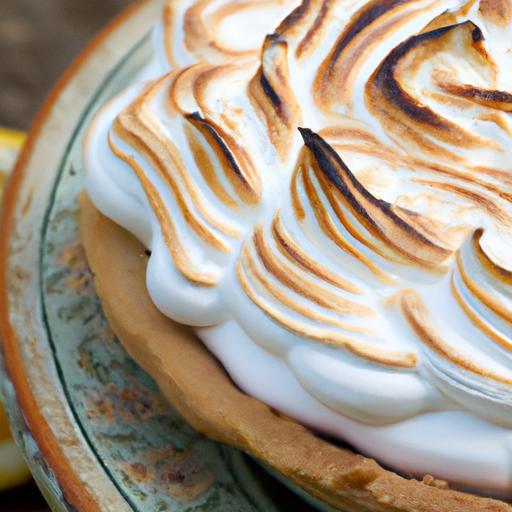
- Spread meringue over lemon filling, sealing edges to prevent shrinking. Use the back of a spoon to create peaks and swirls for that classic golden look.
- Bake at 350°F (175°C) for 12-15 minutes until the meringue is set and beautifully golden-brown at the edges.
- Cool the pie at room temperature for 1 hour, then refrigerate for at least 1 hour before serving to fully set the filling.
Tips for Success
- Choosing Lemons: Meyer lemons bring a sweeter, floral note that balances tartness.If unavailable, standard Eureka lemons work wonderfully; just ensure freshness and zest generously.
- Meringue Mastery: Make sure no yolk contaminates the whites, and use a metal or glass bowl for best results. Gradually adding sugar allows the meringue to stabilize and achieve that coveted glossy finish.
- The Crust Edge Secret: To avoid shrinking, chill the dough after placing it in the pan and do not over-roll.
- Make-Ahead: Both crust and lemon filling can be prepared a day in advance. Add meringue just before baking for optimal freshness and texture.
- Common Fix: If the filling seems too liquidy after cooling, a short blast in a warm oven (10 minutes at 325°F/163°C) can definitely help set it without browning the meringue.
Serving Suggestions
Slice this pie with a sharp serrated knife for clean edges. Serve chilled or slightly chilled, allowing the bright lemon flavor to shine through. Garnish with thin lemon zest ribbons or edible flowers for a visually stunning finish. Pair with a dollop of lightly whipped cream or a delicate cup of Earl Gray tea for a harmonious experience.

| Nutrient | Per Serving |
|---|---|
| Calories | 310 kcal |
| Protein | 4 g |
| Carbohydrates | 45 g |
| Fat | 12 g |
Explore more recipes to enhance your baking journey like our Classic Pie Crust Recipe. For further reading on the science behind meringue, visit Serious Eats.
Q&A
Q&A: Zesty Delight – The Sweet Science of Lemon Meringue Pie
Q1: What makes lemon meringue pie such a beloved dessert?
A1: Lemon meringue pie masterfully balances three distinct textures and flavors: the tangy, vibrant lemon filling; the crisp, buttery crust; and the airy, golden meringue topping. This trifecta creates an unforgettable sensory experience where tartness meets sweetness, and smoothness contrasts with fluffiness, captivating dessert lovers worldwide.
Q2: How does the lemon filling achieve that perfect zing?
A2: The magic lies in the chemistry between lemon juice, sugar, egg yolks, and cornstarch (or flour). When heated, starch molecules swell and thicken the mixture, while the acid from the lemons brightens the flavor and slightly curdles the protein in yolks to give a luscious, velvety consistency. Achieving the right balance prevents a runny filling or one that’s overly stiff-both might dull the zesty punch.
Q3: What role does the meringue play beyond just a pretty crown?
A3: More than decoration, the meringue acts as a soft, sweet antidote to the tart lemon beneath. Whipped egg whites create a foam stabilized by sugar, which, when baked, forms a delicate network of tiny air pockets. This not only insulates the filling, preventing it from drying out, but also adds a melt-in-your-mouth ethereal quality that contrasts with the dense tart.
Q4: Why is it vital to spread the meringue while the lemon custard is still warm?
A4: Spreading meringue onto warm filling encourages the two layers to bond, sealing the custard inside like a tender hug. This prevents the dreaded weeping-where liquid seeps out of the pie-and helps the meringue bake evenly into that signature glossy, slightly toasted finish.
Q5: Are there any tips for avoiding common pitfalls in making lemon meringue pie?
A5: Absolutely! First, avoid undercooking the filling; it should be thick enough to hold shape but still soft. Second, ensure no yolk contaminates the whites when whipping meringue-fat inhibits foam formation. Third, bake the meringue at moderate heat; too hot, and it browns too quickly without setting, too cool, and it won’t crisp up properly.don’t skip chilling the pie before slicing-it helps everything settle perfectly.
Q6: How has lemon meringue pie evolved over time?
A6: Originating in the 19th century, early versions played with simple lemon custard topped with beaten egg whites. Over decades, refinements in baking science and ingredient availability gave rise to the flaky crust and glossy meringue we adore today. Modern chefs experiment by infusing herbs, blending citrus varieties, or crafting vegan meringues, continuously refreshing this timeless classic.
Q7: Can lemon meringue pie be considered both an art and a science?
A7: Without a doubt! Its creation requires precision in measuring and temperature control-hallmarks of science-while also demanding an artistic eye for textures, colors, and presentation. Each pie is a handcrafted masterpiece where chemistry dances with creativity, resulting in a slice of zesty delight that is as lovely as it is delicious.
Closing Remarks
As we close the chapter on the zesty delight of lemon meringue pie, it’s clear that this beloved dessert is much more than just a tangy treat. behind its billowy peaks and sun-kissed filling lies a engaging blend of chemistry, technique, and tradition-a true testament to the sweet science of baking. Whether you’re a seasoned pastry pro or a curious kitchen adventurer, understanding the delicate dance of acid and sugar, egg whites and heat, can transform your next pie into a masterpiece. So next time you slice into that golden crust and watch the clouds of meringue melt on your tongue, you’ll savor not only the flavors but the brilliant balance of nature and nurture that makes lemon meringue pie an enduring classic. Here’s to baking with zest, science, and a sprinkle of delight!