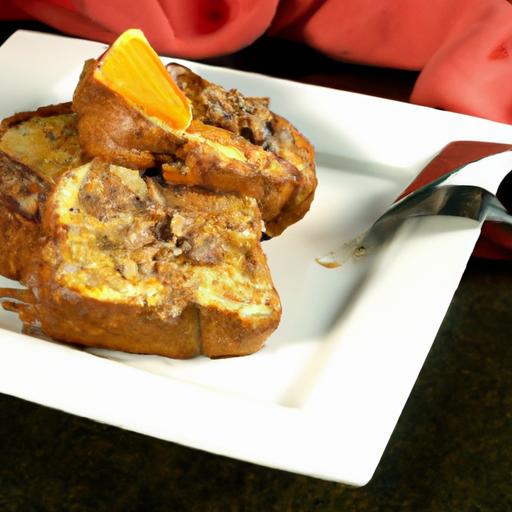


Golden, fragrant, and irresistibly comforting-French toast has long held a beloved spot on breakfast tables around the world. But beyond its syrup-drizzled surface lies a rich tapestry of history and culture waiting to be explored. In “French Toast uncovered: A Tasty History and Recipe Guide,” we delve into the origins of this timeless dish, tracing its journey from ancient culinary practices to modern-day variations. Whether you’re a curious foodie or a kitchen novice eager to master the art of the perfect slice, join us as we uncover the stories, secrets, and savory techniques that make French toast much more than just a simple morning treat.
French toast Uncovered reveals a captivating tale of a humble dish that has transcended centuries and borders to become a beloved breakfast staple worldwide. From its earliest mentions in ancient Roman cookbooks to the charming twists found in modern kitchens, French toast embodies a perfect harmony of comfort and creativity. Whether you’re savoring it drenched in maple syrup on a chilly morning or decking it out with exotic toppings, this dish invites endless personalization, making every bite an adventure.
prep and Cook Time
- Preparation: 10 minutes
- Cooking: 15 minutes
- Total: 25 minutes
Yield
Serves 4 generous portions
Difficulty Level
Easy to Medium – perfect for anyone from beginners to seasoned home cooks
Ingredients
- 6 slices thick-cut brioche or challah bread, slightly stale for optimal soaking
- 3 large eggs, room temperature
- 1 cup whole milk or heavy cream for extra richness
- 2 tbsp granulated sugar
- 1 tsp pure vanilla extract
- 1/2 tsp ground cinnamon
- Pinch of salt
- 2 tbsp unsalted butter, plus extra for cooking
- Powdered sugar, for dusting
- Maple syrup, for serving
Step by Step Guide to Crafting Classic and Gourmet French Toast
- Whisk together the eggs, milk, sugar, vanilla extract, cinnamon, and salt in a shallow bowl until fully blended. This custard base should be smooth and fragrant.
- Preheat a non-stick skillet or griddle over medium heat and add a slice of butter to melt, coating the surface evenly to ensure golden crusts.
- Dip each slice of your chosen bread into the egg mixture,allowing it to soak for about 20 seconds per side. For thicker bread like brioche, a slightly longer soak helps absorb the custard without falling apart.
- Place soaked slices gently on the skillet. Sauté for 3-4 minutes until the bottom turns a deep golden brown and slightly crisp. Flip carefully and cook the other side to match.
- Repeat adding butter as needed between batches to maintain richness and avoid burning.
- Remove the French toast onto plates and dust with powdered sugar.
- Serve instantly with warm maple syrup and your favorite toppings.
Chef’s Notes & Tips for Success
- Bread matters: Opt for day-old brioche, challah, or even a hearty sourdough to prevent soggy results. Fresh bread can fall apart when soaked.
- Dairy alternatives: Whole milk or cream adds luxury, but almond or oat milk works well for lactose intolerance.
- Flavor twists: Swap cinnamon for cardamom or add a splash of orange zest in the custard for aromatic nuances.
- Consistency check: If the batter seems thin, reduce the milk slightly for a richer coating.
- Make ahead: Prepare custard up to 8 hours in advance and store tightly covered in the fridge.
Serving Suggestions
Present your French toast stacked high, drizzled generously with real maple syrup, and crowned with fresh berries like strawberries, blueberries, or blackberries. A dollop of whipped cream or mascarpone adds luxurious creaminess, while toasted nuts like pecans or almonds bring satisfying crunch. For an indulgent twist, sprinkle bits of crispy bacon or a drizzle of salted caramel sauce. Serve alongside freshly brewed coffee or a mimosa for an elevated brunch experience.

Exploring Regional Variations and Unique Toppings
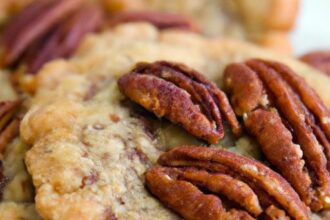
Across the globe, French toast transforms with creative regional flair. In France, pain perdu uses day-old bread dipped in egg and milk, served simply with powdered sugar or fruit preserves. The southern U.S. embraces a bold version topped with pecans and bourbon-infused syrup. In Hong Kong, a sandwich-style French toast swaps traditional bread for milk bread, stuffed with peanut butter or jam, then deep-fried for crispy indulgence. Let your inventiveness run wild by incorporating seasonal fruits, spices, and textures to keep this centuries-old recipe exciting.
| Nutrient | Per Serving |
|---|---|
| Calories | 320 |
| Protein | 9g |
| Carbohydrates | 35g |
| Fat | 15g |
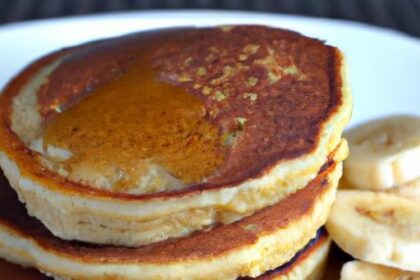
For those eager to expand their culinary repertoire beyond French toast, check out our delicious comparison of classic pancakes vs French toast. For historical context and preservation tips, visit History.com’s feature on french toast.
Q&A
Q&A: French Toast Uncovered – A Delicious History and Recipe Guide
Q1: What is the origin of French toast?
A1: Despite its name, French toast isn’t originally from France! Its roots trace back to ancient times. The earliest known reference dates to a Roman cookbook from the 4th or 5th century AD, where bread soaked in a milk and egg mixture was fried for breakfast. Various cultures, from the French “pain perdu” (meaning “lost bread”) to the German “Arme Ritter” (“poor knights”), have their own versions, all designed to breathe new life into stale bread.Q2: Why is it called French toast if it’s not uniquely french?
A2: The term “French toast” likely emerged in England and America during the 17th century as a nod to the French technique of soaking and frying bread.In France, it’s traditionally called “pain perdu,” highlighting the idea of rescuing leftover bread. The American phrase caught on and ultimately became the worldwide name, even if the dish itself is a global classic.
Q3: What makes French toast so special compared to just bread and eggs?
A3: French toast is more than just bread and eggs – it’s a perfect harmony of textures and flavors. The bread is soaked long enough to soak up a rich custard made of eggs, milk, sugar, and often cinnamon or vanilla, then pan-fried to golden perfection. This combination creates a delightfully crisp exterior with a silky, tender interior – a true comfort food.
Q4: Can any type of bread be used for French toast?
A4: Absolutely! While thick,sturdy breads like brioche,challah,or sourdough are ideal because they hold the custard well without falling apart,you can get creative. Day-old or slightly stale bread works best since it absorbs the custard without becoming mushy. So, feel free to rescue that leftover loaf lurking in your kitchen.
Q5: What are some unique twists on classic French toast?
A5: The beauty of French toast lies in its versatility. You can elevate it with stuffed fillings like cream cheese and berries, swirl in spices like nutmeg or cardamom, or top it with unexpected ingredients like mascarpone, salted caramel, or fresh herbs. Internationally, you’ll find versions topped with tahini and honey in the Middle East or paired with coconut milk and tropical fruits in Southeast Asia.Q6: How can beginners make perfect French toast at home?
A6: Start with these essentials: whisk eggs, milk, a pinch of sugar, and a dash of cinnamon or vanilla in a shallow bowl. Soak the bread for about 20 seconds on each side for a good custard soak – not too little, not too much. Fry the slices on medium heat with butter until golden brown and slightly crisp on both sides. Don’t overcrowd the pan,and serve immediately with your favorite toppings.
Q7: What are some classic toppings and accompaniments?
A7: Traditional toppings include powdered sugar, maple syrup, fresh berries, and whipped cream. But French toast is a canvas for both sweet and savory imagination! Try bacon and a drizzle of maple syrup for sweet-and-salty goodness, or avocado and smoked salmon for a gourmet twist.
Q8: Why has french toast remained a beloved dish through centuries?
A8: French toast’s enduring appeal is its simplicity combined with comfort and adaptability. It transforms humble ingredients into a luxurious treat, offers a clever solution to bread waste, and can be customized to suit any taste or occasion - from quick weekday breakfasts to indulgent brunch feasts. It’s a timeless, tasty testament to culinary creativity.
Enjoy uncovering the story behind your next slice of French toast – and savor every golden bite!
In Conclusion
As we close the chapter on the delightful journey through the origins and evolutions of french toast, one thing becomes clear: this humble dish is much more than breakfast fare. It’s a tapestry woven from centuries of culinary creativity, cultural exchange, and simple comfort. Whether you prefer it dusted with powdered sugar, drizzled with maple syrup, or layered with fresh fruit and cream, French toast invites you to savor both history and flavor with every bite. So next time you find yourself in the kitchen, take a moment to honor this timeless recipe-because in each golden slice lies a story ready to be savored anew.