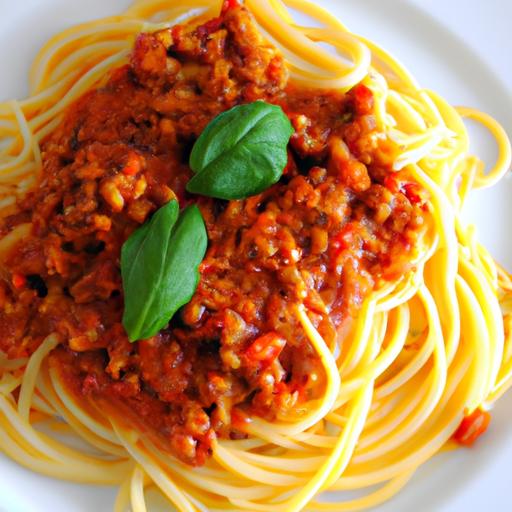


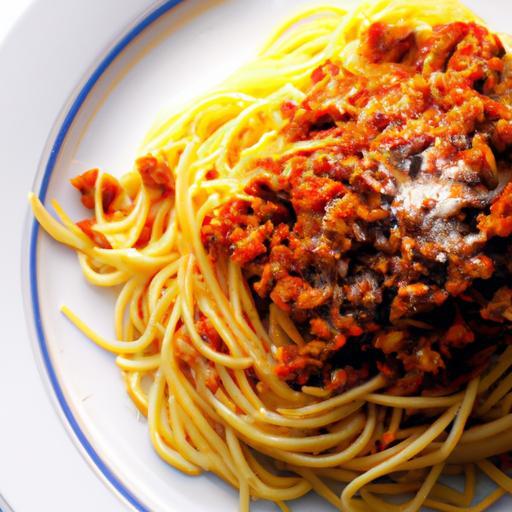
Spaghetti Bolognese is more than just a popular pasta dish; it is a savory passport to the rich culinary traditions of Italy’s Emilia-romagna region. This beloved sauce, with its slow-simmered blend of ground meat, tomatoes, aromatic herbs, and a splash of wine, carries the warmth and history of Italian family kitchens in every bite. Join us as we embark on a flavorful journey to Italy’s heart, uncovering the origins, authentic ingredients, and timeless techniques that make Spaghetti Bolognese a dish cherished around the world.
Spaghetti Bolognese is not just a beloved Italian dish; it is indeed a culinary journey through the rich traditions of Bologna, Italy’s gastronomic heartland. This slow-simmered masterpiece combines humble ingredients into a harmonious symphony of flavor,evoking images of family kitchens and trattorias where recipes are lovingly passed down through generations. As you recreate this iconic sauce, you are connecting with a timeless heritage that brings warmth, comfort, and authentic Italian zest to your table.
Prep and Cook Time
- Preparation: 20 minutes
- Cooking: 2 to 3 hours
- Total Time: Approximately 3 hours
Yield
Serves 6 generous portions
Difficulty Level
Medium – requires patience and attentive simmering but perfect for home cooks seeking culinary depth
Key Ingredients That Define the Authentic Bolognese Flavor
- 2 tbsp extra virgin olive oil – for a gentle sauté
- 1 medium carrot, finely diced – adds subtle sweetness and texture
- 1 celery stalk, finely diced – aromatic base
- 1 medium onion, finely chopped – foundational flavor
- 3 cloves garlic, minced – brightens the sauce
- 350g ground beef (preferably lean) – the rich protein core
- 150g ground pork – adds depth and fattiness
- 150ml whole milk – mellows acidity and tenderizes meat
- 250ml dry white wine – deglazes and infuses aroma
- 800g canned San Marzano tomatoes, crushed – intense tomato flavor
- 2 tbsp tomato paste – concentrated richness
- Salt and freshly ground black pepper – to taste
- Fresh basil and dried oregano – subtle herbaceous undertones
- freshly grated Parmigiano-Reggiano – finishing touch
Step by Step Guide to Crafting the Perfect Slow-Simmered Sauce
- Heat the olive oil over medium heat in a heavy-bottomed pan. Add the finely diced carrot, celery, and onion. Sauté until golden and translucent, about 8 minutes. Stir occasionally to avoid burning the vegetables.
- Incorporate the minced garlic and cook for 1-2 minutes until fragrant, ensuring it does not brown.
- Add both ground meats to the pan, breaking up any clumps with a wooden spoon. Brown the meat evenly for 8-10 minutes until no pink remains, developing a rich caramelized crust on the edges.
- Pour in the milk slowly, stirring continuously.Simmer gently until the milk has almost wholly evaporated, about 10 minutes. This softens the meat and balances acidity.
- Deglaze with the white wine, scraping the pan’s bottom to release flavorful bits. Allow the wine to reduce by half, about 8 minutes.
- Stir in the crushed tomatoes and tomato paste.Season with salt, pepper, basil, and oregano.
- Lower the heat to the gentlest simmer, cover partially, and let the sauce cook slowly for 2 to 3 hours. Stir occasionally to prevent sticking. This slow simmering melds the flavors into a robust, velvety sauce.
- Before serving, adjust seasoning and stir in a splash of the pasta cooking water to loosen the sauce if needed.
Tips for Success
- Patience is key: The prolonged simmer unlocks complex, deep flavors that rapid recipes lack.
- Meat choice matters: A blend of beef and pork gives the sauce a perfect balance of lean and fat.
- Tomato quality: Use authentic san Marzano tomatoes for sweetness and reduced acidity. Alternatively, high-quality canned plum tomatoes work well.
- Make ahead: The sauce tastes even better the next day; refrigerate and gently reheat before serving.
- Experiment: For an enriched flavor, add a small piece of Parmesan rind during simmering and remove before serving.
Pairing Perfection Tips for Complementing Your Spaghetti Bolognese Meal
For the ultimate spaghetti Bolognese experience, select a pasta with enough texture to hold the hearty sauce-classic spaghetti or tagliatelle are ideal. Cook your pasta al dente to provide a satisfying bite that balances the sauce’s richness.
Serve with freshly grated Parmigiano-Reggiano and a sprinkle of chopped fresh basil or flat-leaf parsley for freshness and color contrast. A crisp Italian red wine such as Chianti or a medium-bodied Sangiovese pairs perfectly,cutting through the richness while enhancing the herbal notes.
Accompany your meal with a simple green salad dressed lightly in lemon and olive oil, and finish with a rustic crusty bread to soak up every luscious drop.For an even deeper dive into pasta pairings, explore our Perfect Pasta pairings guide.
| Nutrient | Per Serving |
|---|---|
| Calories | 450 kcal |
| Protein | 28g |
| Carbohydrates | 35g |
| Fat | 18g |

Discover the soul of Italian home cooking with every spoonful of this soulful spaghetti Bolognese, and bring a little bit of Bologna’s warmth and tradition into your kitchen.
Q&A
Q&A: Spaghetti Bolognese – A Flavorful Journey to Italy’s Heart
Q1: what exactly is Spaghetti Bolognese, and how did it become so popular worldwide?
A1: Spaghetti Bolognese is a beloved pasta dish featuring a rich, slow-cooked meat sauce originating from Bologna, Italy. Though its roots lie in the traditional ragù alla Bolognese-a meat sauce served with tagliatelle or other broad pasta varieties-the dish has evolved outside Italy to become the iconic spaghetti-meets-meaty-tomato sauce meal many know today. Its worldwide popularity stems from its comforting flavors,hearty ingredients,and adaptability,making it a go-to for home cooks craving a taste of Italian warmth.Q2: What are the authentic ingredients that define a true Bolognese sauce?
A2: Authentic Bolognese is a symphony of simple, quality ingredients: ground veal or beef, pancetta, soffritto (a finely chopped mix of onions, carrots, and celery), tomato paste, white wine, milk or cream, and a long, gentle simmer to develop deep flavors. Unlike the tomato-heavy versions common outside Italy, traditional bolognese uses a modest amount of tomato, focusing rather on the meat and the slow melding of flavors.
Q3: Why is spaghetti not the traditional pasta served with bolognese in Italy?
A3: In Bologna, the ragù is lovingly ladled over tagliatelle-broad, flat ribbons that capture the thick sauce more effectively than slender spaghetti strands. The texture and shape of tagliatelle complement the sauce’s richness, ensuring each bite bursts with flavor. Spaghetti gained international fame alongside the sauce largely due to the popularity of long pasta varieties abroad, creating what is now known as Spaghetti Bolognese.
Q4: How can you recreate the authentic Bolognese experience at home?
A4: Patience is your greatest ally. Begin by gently sautéing your soffritto, then slowly brown your meat and integrate pancetta for depth.Add a splash of white wine and allow it to reduce fully. Incorporate a touch of milk or cream to soften the acidity, then simmer the sauce for at least two hours, stirring occasionally. Serve it over freshly cooked tagliatelle or pasta of choice, and finish with a generous sprinkle of Parmigiano-Reggiano. The slow cooking and balance of ingredients deliver that unmistakable, soulful taste.
Q5: What makes Spaghetti Bolognese a “flavorful journey to Italy’s heart”?
A5: This dish encapsulates the essence of Italian cooking-honest ingredients, time-honored techniques, and a spirit of conviviality. Each spoonful tells a story of Bologna’s culinary heritage, of family tables where meals linger and memories are made. It is more than sustenance; it is an invitation to savor Italy’s warmth,passion,and love for food. Through Spaghetti Bolognese,one embarks on a flavorful journey,connecting with Italy’s heart in every bite.
Final Thoughts
As our flavorful journey to Italy’s heart comes to a close, Spaghetti Bolognese emerges not just as a dish, but as a vibrant testament to the rich culinary heritage of Bologna and its enduring influence worldwide. Each twirl of pasta cradles centuries of tradition, passion, and regional pride-a reminder that food is more than sustenance; it’s a story told through aroma, texture, and taste. So next time you savor this beloved classic, remember you’re partaking in a timeless Italian narrative, one mouthful at a time. Buon appetito!