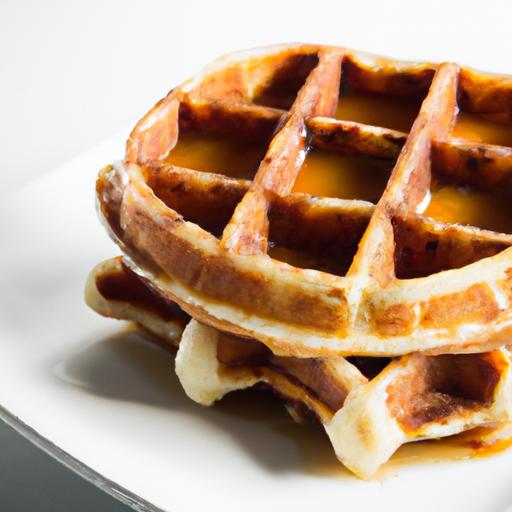

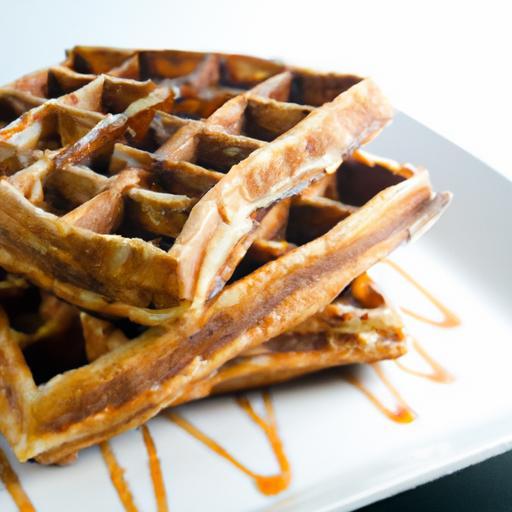
Golden, crisp yet tender, and adorned with a symphony of toppings, Belgian waffles have captured the hearts (and taste buds) of food lovers around the world. But beyond their irresistible texture and sweet aroma lies a rich tapestry of history and tradition waiting to be uncovered.In this article, we’ll journey into the origins of Belgian waffles, uncover expert tips for mastering their perfect crispness, and explore the diverse flavors and styles that make each bite a delightful adventure. Weather you’re a seasoned waffle enthusiast or a curious newcomer, prepare to discover the story and secrets behind one of the world’s most beloved breakfast treats.
Belgian waffles uncovered invite you on a delectable journey rich with centuries of tradition and culinary evolution, transforming humble batter into the iconic golden grids adored worldwide.Originating from the heart of Belgium, these waffles embody a perfect blend of light, crisp exterior and tender, airy interior-each bite echoing stories of old marketplaces and street vendors enchanting palates across generations.
Prep and Cook Time
- Preparation: 15 minutes
- Cooking: 20 minutes
- Total: 35 minutes
Yield
Serves 4-6 appetizing Belgian waffles
Difficulty Level
Medium – Perfect for home cooks eager to elevate their waffle skills
Ingredients
- 2 cups all-purpose flour, sifted
- 1/4 cup granulated sugar
- 1 tbsp baking powder
- 1/2 tsp salt
- 2 large eggs, separated
- 1 3/4 cups whole milk, warmed
- 1/2 cup unsalted butter, melted and cooled
- 1 tsp pure vanilla extract
- Optional: pearl sugar for authentic Liège-style waffles
Instructions
- Combine Dry Ingredients: In a large mixing bowl, whisk together the sifted flour, sugar, baking powder, and salt until fully blended.
- Prepare Wet Ingredients: In a separate bowl,beat the egg yolks with the warm milk,melted butter,and vanilla extract until smooth.
- Mix Batter: Gradually pour wet ingredients into the dry mixture while whisking continuously to achieve a silky batter. Avoid over-mixing to keep waffles tender.
- Whip Egg Whites: Using a hand mixer,beat the egg whites to stiff peaks-a critical step for achieving that light,airy texture.
- Fold in Egg Whites: Gently fold the whipped egg whites into the batter with a spatula using slow,deliberate strokes to retain the fluffy volume.
- Heat Waffle iron: Preheat your Belgian waffle iron and lightly brush with melted butter or non-stick spray.
- Cook Waffles: Spoon batter onto the hot iron (approximately 1/2 cup per waffle), close the lid, and cook for 4-5 minutes or until waffles are deep golden and crisp. Avoid opening the lid too early to prevent sogginess.
- Serve Warm: Transfer waffles to a wire rack to maintain crispness while cooking remaining batter.
Chef’s Notes: tips for Success
- Egg Whites: Whipping egg whites separately and folding them in elevates texture, creating the trademark lightness that defines Belgian waffles.
- Milk Temperature: Warm milk helps activate the baking powder fully and melds flavors beautifully-avoid cold liquids.
- Butter: Melted unsalted butter enriches flavor but must cool slightly to preserve the egg whites’ airiness.
- Make-Ahead: Batter can be refrigerated for up to 12 hours. Gently re-whip egg whites before folding in for best results.
- Pearl Sugar: For authentic liège waffles,fold in pearl sugar before cooking. it caramelizes and adds a signature crunch and sweetness.
Serving Suggestions
These Belgian waffles are a versatile canvas for a symphony of toppings.Try them warm with a pat of melting butter and a drizzle of pure maple syrup.For a fresh twist,crown them with vibrant seasonal berries,a dusting of powdered sugar,and a dollop of whipped cream. Chocolate enthusiasts will adore shavings of dark chocolate or a drizzle of rich Belgian chocolate sauce. For brunch, serve alongside savory smoked salmon and crème fraîche, garnished with chives.
Pair your waffles with complementary beverages such as a rich, freshly brewed coffee, a radiant and fruity mimosa, or a velvety hot chocolate to heighten the indulgence.
| Nutrient | Per Serving |
|---|---|
| Calories | 320 |
| protein | 7g |
| Carbohydrates | 40g |
| Fat | 14g |

For more delightful breakfast inspirations and technique guides, explore our Ultimate Waffle Guide. To dive deeper into Belgian culinary heritage, visit the Belgian Government’s official cuisine overview.
Q&A
Q&A: Belgian Waffles Uncovered – History, Tips, and Tastes Explored
Q1: What exactly makes a waffle “belgian”?
A: Belgian waffles are distinguished by their deep grid patterns, light and airy texture, and crispy exterior. Unlike typical waffles, they frequently enough use yeast or beaten egg whites in the batter, giving them a fluffy lift. Originating from Belgium, these waffles come in several regional varieties, but the classic “Brussels waffle” is the one most familiar worldwide.
Q2: How did Belgian waffles gain popularity outside Belgium?
A: Belgian waffles first captured international attention at the 1962 World’s Fair in Seattle, where a Belgian vendor introduced them to an American audience. Their unique texture and versatility quickly won hearts and menus across the US and beyond, evolving into a beloved breakfast, dessert, and street food staple.
Q3: What’s the secret to making perfect Belgian waffles at home?
A: The magic lies in a few key factors-using a batter with yeast or beating egg whites separately to add air, preheating your waffle iron thoroughly, and allowing enough time for the waffle to crisp up without burning. Don’t forget to lightly grease your iron and resist the urge to peek early!
Q4: Are Belgian waffles always sweet?
A: Not at all! While they’re frequently enough enjoyed with powdered sugar, fresh fruit, whipped cream, or syrup, Belgian waffles also shine with savory toppings-think smoked salmon, crème fraîche, or even fried chicken. Their neutral, slightly sweet base makes them a perfect canvas for both sweet and savory creations.Q5: What regional variations exist within Belgium itself?
A: Belgium’s waffle scene is delightfully diverse. The Brussels waffle is light, rectangular, and dusted with sugar. The Liège waffle is denser, sweeter, and studded with pearl sugar that caramelizes when cooked. Other regional waffles include the crispier Bergues waffle and the rounded waffles from Dinant.
Q6: Can Belgian waffles be part of a healthy diet?
A: Moderation is key! Though traditionally indulgent, you can tweak recipes to make them lighter by using whole-grain flour, reducing sugar, or incorporating fruit purees. Top them mindfully with fresh berries and yogurt instead of syrup and heavy creams for a more balanced treat.
Q7: What are some creative ways to enjoy Belgian waffles beyond breakfast?
A: belgian waffles are wonderfully versatile. Try them as a base for ice cream sundaes, use waffle pieces as crunchy salad croutons, or stack them with savory layers like ham and cheese for a waffle sandwich. The sky’s the limit when it comes to playing with textures and flavors!
Whether you’re savoring their crispy edges or uncovering their rich heritage,Belgian waffles invite both curiosity and creativity-making every bite a delightful finding!
Future Outlook
As the golden aroma of Belgian waffles lingers and the last forkful melts away,we find that these delicate grids of history,technique,and flavor are far more than just a breakfast delight. From their humble medieval origins to the crispy, airy masterpieces gracing plates worldwide today, Belgian waffles tell a story of tradition perfected through time. Armed with newfound tips and tantalizing taste ideas, you’re now ready to embrace the waffle’s rich heritage in your own kitchen. So whether draped in berries, dusted with sugar, or savored plain, every bite is a delicious connection to centuries of culinary craft-a true celebration of Belgian ingenuity and sweetness uncovered.