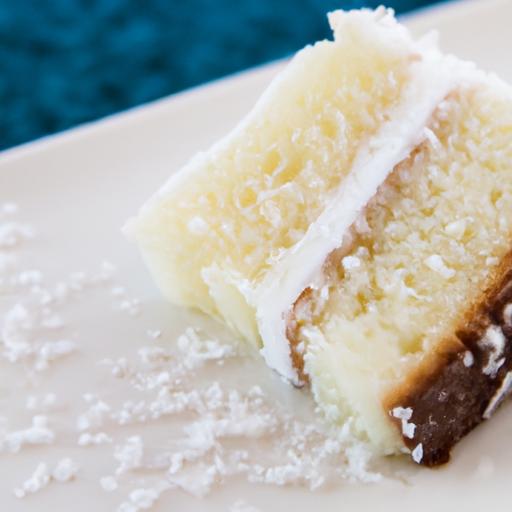

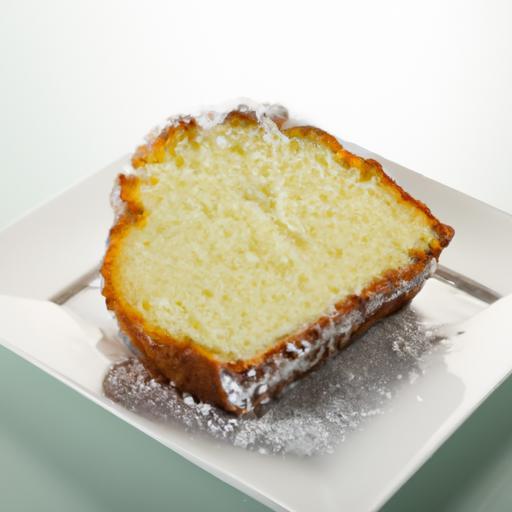
In the vast world of baking, few ingredients hold the power to transform ordinary treats into unusual delights quite like coconut flour. Beyond its nutty aroma adn subtle sweetness lies a secret weapon for those seeking gluten-free, nutrient-packed indulgence. Welcome to the enchanting realm of coconut flour cake recipes-a place where flavor meets health, and texture dances with tradition. Join us as we unlock the magic behind coconut flour cakes, exploring how this humble ingredient can elevate your baking game and bring a tropical twist to your dessert table.Whether you’re a seasoned baker or a curious novice, prepare to discover the irresistible charm of cakes that are as wholesome as they are delicious.
Unlocking Flavor through the magic of coconut flour cake recipes reveals a world where texture and taste converge to create irresistibly moist and tender treats. Coconut flour brings a distinctive crumb and subtle sweetness that transforms ordinary cakes into memorable indulgences. Its unique fiber-rich composition demands precise moisture mastery to achieve that perfect,light crumb without the density frequently enough associated with gluten-free baking.
Prep and Cook Time
- Planning: 20 minutes
- Cooking: 35-40 minutes
- Total: 55-60 minutes
Yield
- Serves 8 generous slices
Difficulty Level
- intermediate (perfect for bakers familiar with gluten-free flours)
Ingredients
- 1/2 cup coconut flour, sifted
- 6 large eggs, at room temperature
- 1/2 cup maple syrup or honey
- 1/4 cup melted coconut oil
- 1/2 cup full-fat coconut milk
- 1 teaspoon vanilla extract
- 1/2 teaspoon baking soda
- 1/4 teaspoon sea salt
- Optional: 1/2 teaspoon cinnamon or cardamom for an aromatic lift
Instructions
- Preheat your oven to 350°F (175°C). Grease and line an 8-inch round cake pan with parchment paper for easy removal.
- In a large bowl, whisk the eggs with maple syrup until the mixture is pale and slightly frothy, about 2-3 minutes.
- Add melted coconut oil, coconut milk, and vanilla extract to the egg mixture, whisking thoroughly to combine liquids evenly.
- In a separate bowl,combine sifted coconut flour,baking soda,sea salt,and optional spices. Stir to fully incorporate.
- Slowly add the dry ingredients to the wet mixture, folding gently with a spatula until just combined. The batter will be thick but smooth-this is key to moisture balance!
- Let the batter rest for 5 minutes to allow the coconut flour to absorb liquids,resulting in a more tender crumb.
- Pour batter into prepared pan, smoothing the top with a spatula for an even rise.
- Bake for 35-40 minutes, or until a toothpick inserted in the center comes out clean. Avoid opening the oven early to prevent sinking.
- Cool in the pan for 10 minutes, than transfer to a wire rack to cool completely before frosting or slicing.
Chef’s Notes
- Mastering moisture is essential with coconut flour: its high absorbency means adding too little liquid creates a dry cake, while too much makes it dense. The balance here yields a delicate, light crumb.
- For a dairy-free option, substitute coconut milk with almond milk, but note moisture balance may need slight adjustments.
- Eggs provide structure and richness: don’t reduce their number drastically, or the cake may crumble.
- Make-ahead tip: the cake stays fresh wrapped tightly at room temperature for 2 days or refrigerated for up to 5 days. It also freezes beautifully when sealed in an airtight container.
- Add-ins like shredded coconut, chopped nuts, or low-sugar chocolate chips complement coconut flour wonderfully without overpowering its subtle flavor.
Serving Suggestions
- Spread with a tangy cream cheese frosting or a light coconut whipped cream for luscious contrast.
- Garnish with toasted coconut flakes and fresh berries for bursts of colour and texture.
- Pair with a cup of exotic spiced chai or a fragrant vanilla latte to enhance the cake’s warm undertones.

| Nutrient | Per Serving |
|---|---|
| Calories | 245 |
| Protein | 7 g |
| Carbohydrates | 18 g |
| Fat | 17 g |
Ready to dive deeper into creative baking? Explore our gluten-free dessert ideas for more inspiration. For detailed food science behind coconut flour’s properties, visit Cook’s Illustrated.
Q&A
Q&A: Unlocking Flavor - The Magic of Coconut Flour Cake Recipes
Q1: What makes coconut flour cakes so special compared to customary cakes?
A1: Coconut flour cakes boast a unique, naturally sweet and nutty flavor that traditional wheat-based cakes often lack. Beyond taste, coconut flour’s high fiber content gives these cakes a delightfully tender yet dense texture, enriching every bite with wholesome goodness. Plus, they’re gluten-free, making them a magical treat for those with dietary restrictions.
Q2: How does coconut flour behave differently in baking?
A2: Coconut flour is highly absorbent, soaking up much more liquid than regular flour.This means recipes require more eggs or other moisture-rich ingredients to maintain a soft crumb. it’s like a flavor sponge, soaking up every aromatic note while creating a moist, fluffy cake structure.
Q3: can you describe the flavor profile of a coconut flour cake?
A3: Imagine the subtle warmth of toasted coconut mingling with hints of vanilla, citrus, or spice-each bite offering a delicate balance of sweet and earthy tones. Coconut flour acts as a dance partner for bold flavors like pineapple, chocolate, or cinnamon, elevating the overall taste experience.
Q4: What are some clever ingredient swaps when baking with coconut flour?
A4: Since coconut flour drinks up moisture like a desert flower drinks rain, increase liquids like coconut milk, yogurt, or applesauce to keep your cake tender. Boost the binding power with extra eggs or flaxseed “eggs,” and don’t be shy to add a splash of vanilla or almond extract to highlight the flour’s natural sweetness.
Q5: Is coconut flour suitable for all types of cakes?
A5: While coconut flour is incredibly versatile,it shines best in dense,moist cakes-think rich chocolate,carrot,or spice cakes. Light and airy cakes like angel food may not achieve the right texture since coconut flour requires more structure-building ingredients for fluffiness.
Q6: How can I enhance the flavor of coconut flour cakes even further?
A6: Pair coconut flour with tropical flavors like mango, pineapple, or passionfruit to amplify its island-inspired charm. A drizzle of tangy lemon glaze or a sprinkle of toasted coconut flakes can add layers of texture and zing,making your cake a true flavor party.
Q7: Are there any common pitfalls to watch out for when baking with coconut flour?
A7: The biggest stumbling block is underestimating coconut flour’s absorbency. Skimping on liquids or eggs can yield a dry, crumbly cake. Also, measure carefully-too much flour easily overwhelms the batter. And don’t forget to give your cake adequate time to set,as coconut flour cakes benefit from a bit of patience to perfect their texture.
Q8: Why should adventurous bakers give coconut flour cakes a try?
A8: Baking with coconut flour is an invitation to explore exciting textures and flavors that break free from tradition. It challenges you to rethink ingredients and techniques, unlocking creative possibilities that delight the palate while nourishing the body. In the realm of flavor, coconut flour cakes are nothing short of magical.
To Wrap It Up
As we’ve uncovered, coconut flour isn’t just an choice ingredient-it’s a gateway to a world of rich, textured, and delightfully fragrant cakes that awaken your palate and inspire your creativity. Whether you’re seeking gluten-free options, aiming to add a tropical twist, or simply eager to experiment in the kitchen, coconut flour cake recipes offer endless possibilities to unlock bold flavors and wholesome goodness. So next time you reach for the flour, consider embracing the magic of coconut flour-as every slice tells a story of innovation, sweetness, and a touch of paradise. Happy baking!