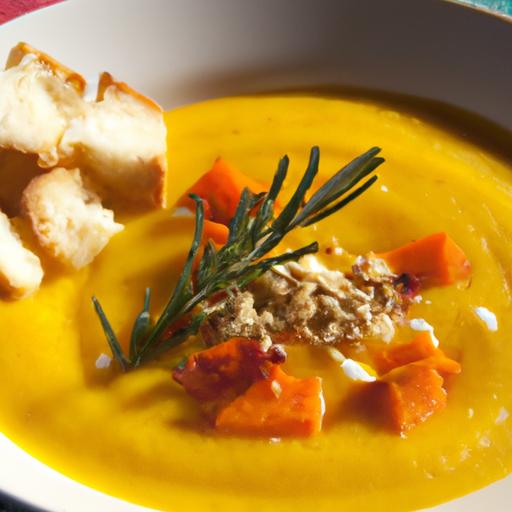

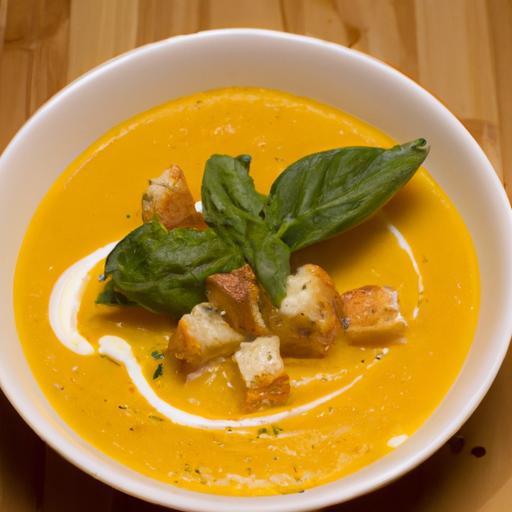
When the air turns crisp and the days grow shorter, few comforts rival a warm bowl of butternut squash soup. This golden-hued delight not only soothes the soul but also offers a nutritious boost, blending creamy texture with subtle sweetness. But what about its calorie content? In a world where mindful eating meets comfort food cravings, understanding the calories in butternut squash soup helps you indulge wisely without compromising your health goals. Let’s dive into the nourishing details of this autumnal favorite and discover why it’s both a hearty treat and a smart choice for wellness enthusiasts.
Butternut squash soup calories often raise questions for those seeking comfort without compromise. This velvety, golden-hued delight has been a staple in autumnal kitchens for centuries, tracing origins to Native American and early European settlers who prized its natural sweetness and versatility. what makes butternut squash soup truly special is how it effortlessly balances nourishing qualities with rich, comforting flavors, making it a perfect addition to any wholesome meal plan.
Prep and Cook Time
Preparation: 15 minutes
Cooking: 35 minutes
Total Time: 50 minutes
Yield
Serves 6 generously
Difficulty Level
Easy
Ingredients
- 2 pounds butternut squash, peeled, seeded, and cubed (about 4 cups)
- 1 medium yellow onion, finely chopped
- 2 cloves garlic, minced
- 4 cups low-sodium vegetable broth or chicken broth
- 1 cup unsweetened almond milk (or any milk of choice)
- 2 tablespoons extra virgin olive oil
- 1 teaspoon fresh thyme leaves (or ½ teaspoon dried thyme)
- ½ teaspoon ground nutmeg
- Salt and black pepper, to taste
- Optional garnish: toasted pumpkin seeds, a drizzle of greek yogurt, chopped parsley
Instructions
- Prepare the squash: Peel and cube your butternut squash into uniform pieces to ensure even cooking.
- Sauté aromatics: Heat olive oil in a large pot over medium heat. Add onion and garlic, sauté untill translucent and fragrant, about 5 minutes, stirring occasionally to prevent sticking.
- Add squash and seasonings: Toss in the cubed squash, thyme, nutmeg, salt, and pepper. Stir well to coat the squash with the aromatics and spices.
- Pour in broth: add the vegetable broth, bring mixture to a boil, then reduce heat and simmer for 25 minutes or until squash is tender and easily pierced with a fork.
- Blend until smooth: Using an immersion blender or in batches with a countertop blender, puree the soup until silky and creamy. Return to pot if using a countertop blender.
- Stir in almond milk: Add the almond milk gradually,stirring to thin the soup to your desired consistency. Warm through but avoid boiling once milk is added.
- Adjust seasoning: Taste and adjust salt and pepper as needed. For extra depth, a squeeze of fresh lemon juice adds brightness.
- Serve: Ladle into bowls, then garnish with toasted pumpkin seeds, a swirl of Greek yogurt, or fresh herbs for a visually appealing, healthful finish.
Tips for Success
- For a richer texture, swap unsweetened almond milk with light coconut milk, but mind the slight rise in butternut squash soup calories.
- Roast your butternut squash beforehand at 400°F (200°C) for 25 minutes to deepen flavor and reduce cooking time.
- If the soup feels too thick,add broth ¼ cup at a time until desired creaminess is reached.
- Make ahead tip: This soup stores beautifully for up to 4 days in the refrigerator and freezes well for up to 3 months.
- For extra body without extra calories, mix in cooked red lentils or a touch of pureed cauliflower.
Smart serving Suggestions for Guilt-Free Enjoyment
Embrace this soup as a nourishing appetizer or a light main dish. Serve paired with a crisp green salad tossed in lemon vinaigrette to balance warmth with freshness. Whole grain crackers or a slice of toasted sourdough adds delightful texture. Garnishes like crunchy seeds or herby pesto enhance both presentation and flavor while keeping calorie additions minimal. Savor every spoonful knowing you’ve crafted a healthy comfort delight that fuels your body and soul.
Nutritional Data per Serving
| Component | Amount |
|---|---|
| Calories | 140 |
| Protein | 3g |
| Carbohydrates | 28g |
| Fat | 3g |
| Fiber | 5g |
Discover more nutritious squash recipes to keep your meals vibrant and wholesome. For authoritative nutritional insight, visit NutritionData.

Q&A
Q&A: Butternut Squash Soup Calories – A Healthy Comfort Delight
Q1: What makes butternut squash soup a healthy comfort food?
A1: Butternut squash soup beautifully balances creamy texture with a natural sweetness, all while being low in calories and packed with nutrients. Its vibrant orange hue signals a bounty of beta-carotene, vitamin C, and fiber, making it a cozy bowl that warms both body and soul without tipping the calorie scale.
Q2: How many calories are typically in a serving of butternut squash soup?
A2: On average, a one-cup serving of homemade butternut squash soup contains between 80 to 150 calories. The range depends largely on added ingredients like cream, butter, or toppings, but the base recipe remains a light and nourishing option.Q3: does adding cream or dairy significantly increase the calorie count?
A3: Yes,incorporating cream or full-fat dairy can elevate the calorie content. As a notable example, swapping in heavy cream might nearly double the calories per serving.To keep your soup waistline-friendly, consider using low-fat milk, coconut milk, or simply blending in roasted squash and broth for creaminess without the extra calories.
Q4: Can butternut squash soup aid in weight management?
A4: Absolutely! Thanks to its high fiber content, butternut squash soup helps you feel satisfied and full longer, possibly curbing overeating. When prepared with minimal added fats and sugars, it serves as a tasty, nutrient-dense meal that supports weight management goals.
Q5: Are there creative ways to boost nutrition without adding many calories?
A5: Definitely! Spice up your soup with antioxidant-rich herbs like thyme or turmeric, or add a splash of citrus juice for zing.Roasting the squash before blending intensifies flavor naturally, reducing the need for butter or salt. A sprinkle of roasted pumpkin seeds adds crunch and healthy fats with minimal calories.
Q6: How does butternut squash soup compare calorically to other comfort soups?
A6: Compared to creamy soups like clam chowder or loaded potato soup, butternut squash soup generally has fewer calories and less saturated fat. Its natural sweetness and silky texture often negate the need for heavy cream, making it a smarter choice when you crave comfort without excess calories.
Q7: Can I enjoy butternut squash soup daily without worry?
A7: Yes! When made with wholesome, simple ingredients, butternut squash soup can be a delightful staple in your diet. Its nutrient profile supports immunity and digestion, and the moderate calorie count fits well into most meal plans-just watch portion sizes and avoid heavy additions if you’re mindful of calories.
Butternut squash soup is more than just a seasonal treat-it’s a vibrant, healthful bowl of comfort that nourishes your body and delights your palate without the calorie guilt. So, ladle up, savor every spoonful, and enjoy the cozy goodness!
The Conclusion
As the warmth of a bowl of butternut squash soup settles in, so does the comforting knowledge that you’re indulging in a dish that’s as nourishing as it is delightful. with its modest calorie count and rich nutritional profile, this velvety soup proves you don’t have to sacrifice health for flavor. Whether you’re cozying up on a chilly evening or seeking a wholesome boost during the day, butternut squash soup invites you to savor every spoonful guilt-free. So go ahead-embrace this healthy comfort delight and let your taste buds and your body thank you in equal measure.