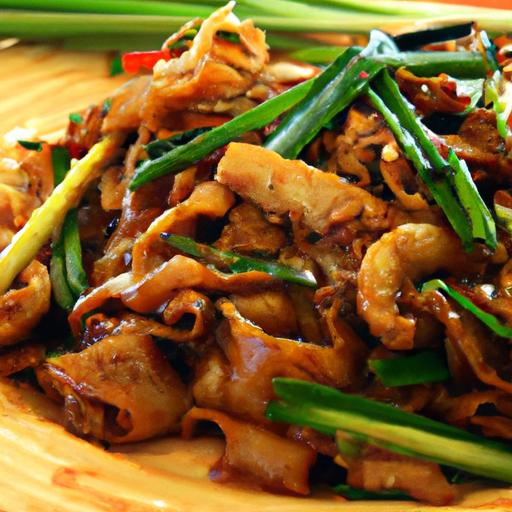
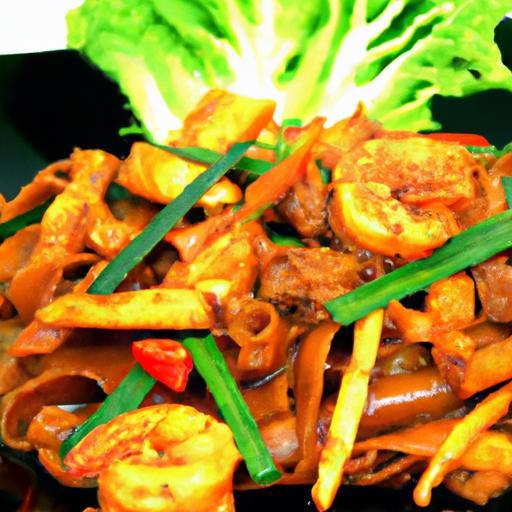
In the bustling streets of Malaysia, where vibrant aromas entwine with the rhythmic clatter of woks, Char Kway Teow reigns supreme as a culinary treasure that tells a story far beyond its humble ingredients. This iconic stir-fried noodle dish, beloved by locals and food enthusiasts alike, is a symphony of smoky, savory flavors that captures the essence of Malaysia’s rich multicultural heritage. as we embark on a flavorful journey through Char Kway Teow’s origins, techniques, and cultural significance, prepare to discover why this simple yet extraordinary dish continues to ignite passion and pride across the nation-and beyond.
Char Kway Teow holds a cherished place in malaysia’s culinary landscape,renowned for its irresistible blend of smoky aromas,tender rice noodles,and the perfect harmony of umami flavors. This iconic street food has delighted locals and travelers alike, evolving from humble hawker stalls to celebrated cuisine that embodies Malaysia’s rich cultural tapestry. My first encounter with char kway teow was at a bustling night market in Penang,where the sizzle and captivating fragrance instantly captivated my senses,inspiring me to master this legendary stir-fried delight in my own kitchen.
Prep and Cook Time
- Readiness: 15 minutes
- Cooking: 10 minutes
- Total Time: 25 minutes
Yield
Serves 3-4 hearty portions
Difficulty Level
Medium – requires skilful stir-frying and timing
Ingredients
- 300g fresh flat rice noodles (kway teow), separated gently
- 150g Chinese lap cheong (sausage), sliced thinly
- 100g peeled prawns, deveined
- 2 large eggs
- 3 cloves garlic, minced
- 2 tbsp light soy sauce
- 1 tbsp dark soy sauce
- 1 tbsp fish sauce
- 1 tsp Chinese cooking wine (optional)
- 100g bean sprouts, washed and drained
- 2 stalks spring onions, cut into 2-inch lengths
- 2 tbsp chili paste (optional)
- 3 tbsp vegetable oil (preferably peanut or canola oil)
- fresh lime wedges, for serving
- Crushed roasted pork fat or lard (optional), for authentic flavor boost
Instructions
- Prep the ingredients: Gently loosen the rice noodles with your fingers to prevent clumping. Slice the lap cheong, mince garlic, devein prawns, and chop spring onions.
- Heat the wok: Place a wok over high heat until smoking, then add 1 tablespoon of oil and swirl to coat the surface.
- Sauté garlic and sausage: Add the minced garlic and sliced lap cheong, stir-frying until fragrant and slightly caramelized, about 2 minutes.
- Cook the prawns: Toss in the prawns and stir-fry quickly until they turn pink, around 1-2 minutes. Remove sausage and prawns from the wok, set aside.
- Scramble the eggs: Add another tablespoon of oil,crack in eggs and scramble lightly until just set but still soft.
- Stir-fry the noodles: Carefully add the fresh rice noodles into the wok, using tongs or chopsticks to separate them while tossing them with the eggs and garlic mixture.
- Add sauces: Drizzle light soy sauce, dark soy sauce, fish sauce, and cooking wine evenly over the noodles.Toss continually to coat the noodles and encourage that signature smoky “wok hei” flavor.
- Combine all ingredients: Return the cooked prawns and lap cheong to the wok. Add bean sprouts and spring onions, stir-frying briskly for another 1-2 minutes until everything is heated through yet crisp.
- Final touches: If using, stir in chili paste for a spicy kick. Adjust seasoning to taste. Serve piping hot from the wok on warmed plates.
Tips for Success
- Opt for fresh flat rice noodles rather than dried-the texture is key to an authentic mouthfeel.
- Use a well-seasoned wok and very high heat to achieve the coveted smoky ”wok hei.” Avoid overcrowding to prevent steaming.
- If fresh noodles aren’t available, soak dried kway teow until pliable but avoid over-soaking to keep their integrity.
- Substitute lap cheong with Chinese sausage or smoked chorizo for different flavor nuances.
- Make-ahead tip: Prep and slice ingredients in advance, but stir-fry noodles last for optimum texture and flavor.
Serving suggestions
Plate char kway teow promptly with wedges of fresh lime to squeeze generously over, enhancing the savory notes with a citrusy brightness. Garnish with additional chopped spring onions or a sprinkle of crispy fried shallots for contrast. Pair this dish with a side of pickled green chilies or a refreshing iced teh tarik for an authentic Malaysian street food experience.

| Nutrient | Per Serving |
|---|---|
| Calories | 410 kcal |
| Protein | 22 g |
| Carbohydrates | 50 g |
| Fat | 12 g |
For a deeper understanding of Malaysia’s culinary heritage and authentic recipes, explore our guide to Malaysian street foods. For global culinary insights into the rich legacy of stir-frying, visit Britannica’s Stir-Fry Overview.
Q&A
Q&A: Char Kway Teow - Exploring Malaysia’s Iconic Stir-Fried Delight
Q1: What exactly is Char Kway teow?
A1: Char Kway Teow is a tantalizing stir-fried noodle dish hailing from Malaysia, known for its smoky aroma and rich umami flavor. Made with flat rice noodles (kway teow), it’s typically cooked over high heat with a medley of ingredients like prawns, Chinese sausage, eggs, bean sprouts, and chives, all tossed in a savory soy-based sauce.
Q2: Where did Char Kway Teow originate?
A2: While popular across Southeast Asia, Char Kway Teow’s roots trace back to Malaysian Chinese communities, particularly in Penang. It began as a humble street food crafted by laborers who needed a hearty,affordable meal that packed a punch of flavor and energy after long workdays.
Q3: what makes Char Kway Teow distinct from other stir-fried noodle dishes?
A3: The magic lies in the “wok hei,” or “breath of the wok” – a smoky, charred essence achieved by cooking over blistering high heat and tossing the noodles quickly. this imparts a slightly crisp texture and a signature depth of flavor that sets Char Kway Teow apart from other noodle dishes.
Q4: Can Char Kway Teow be adapted for different dietary preferences?
A4: Absolutely! While traditionally featuring seafood and pork, many vendors now offer vegetarian or halal variations using chicken, tofu, or just vegetables without compromising on the rich flavors. The key remains in the balance of sauces and fresh ingredients that create its characteristic taste.
Q5: What is the cultural significance of Char Kway Teow in Malaysia?
A5: Beyond being a beloved comfort dish, Char Kway Teow symbolizes Malaysia’s vibrant culinary tapestry-a fusion of Chinese heritage and multicultural influences. It’s a dish that brings people together, often enjoyed at bustling hawker stalls, markets, and festivals, representing community and shared heritage.
Q6: How can one best enjoy Char Kway Teow?
A6: To truly savor Char Kway Teow, seek out a hawker stall known for their “wok hei” mastery. Enjoy it piping hot, paired with a side of pickled green chilies to cut through the richness. every bite reveals a symphony of textures and flavors-silky noodles, crisp sprouts, succulent prawns-all harmonizing in one unforgettable dish.
By delving into the essence of Char Kway Teow, we discover not just a meal, but a story of flavor, culture, and Malaysian pride simmering in every wok-fired plate.
Concluding Remarks
As the smoky aroma of char kway teow lingers in the air, it reminds us why this humble stir-fried noodle dish has captured the hearts and palates of Malaysians and food lovers worldwide. More than just a meal, char kway teow is a flavorful narrative of Malaysia’s rich cultural tapestry - where Chinese, Malay, and Indian influences simmer together in perfect harmony. whether enjoyed at a bustling hawker stall or recreated in a home kitchen, each savory bite invites us to savor not only the ingredients but also the stories, traditions, and passion that have made this iconic dish an enduring national treasure. So next time you encounter a sizzling wok and a plate of glistening char kway teow, take a moment to appreciate the culinary journey behind every mouthful – a delicious reminder of Malaysia’s vibrant food heritage.