
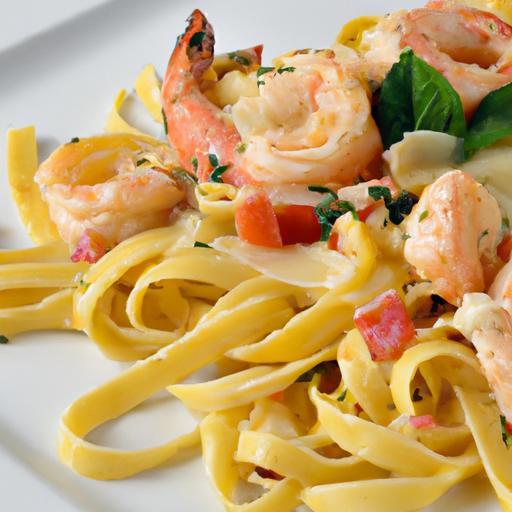
There’s something magical about the way the sea’s freshest treasures transform a simple pasta dish into a symphony of flavors. Dive into Flavor: Irresistible Seafood Pasta Recipe Guide invites you on a culinary journey where succulent shrimp, tender calamari, adn briny clams mingle with al dente noodles and rich, fragrant sauces. Whether you’re a seafood aficionado or a curious kitchen explorer, this guide will unravel the secrets to crafting seafood pasta dishes that burst with taste and texture, bringing the ocean’s bounty straight to your table. Prepare to awaken your palate and elevate your home cooking with recipes that are as vibrant and dynamic as the sea itself.
Dive Into Flavor with the freshest catch and perfectly cooked pasta, transforming your kitchen into a seaside trattoria. Choosing seafood at its peak ensures every bite bursts with oceanic essence, while the right pasta and sauce create an unforgettable harmony of textures and tastes. Whether it’s tender shrimp, sweet scallops, or briny clams, mastering these elements elevates your seafood pasta to an irresistible sensory experience.
Prep and Cook Time
- Readiness: 20 minutes
- Cooking: 25 minutes
- Total: 45 minutes
Yield
Serves 4 generous portions
Difficulty Level
Medium – ideal for home cooks ready to impress with a restaurant-quality dish
Ingredients
- 12 oz fresh linguine pasta (or fettuccine for a wider noodle)
- 1 lb fresh seafood medley: peeled and deveined shrimp (6 oz), bay scallops (4 oz), and clams or mussels (6 oz), cleaned
- 3 tbsp extra virgin olive oil
- 4 cloves garlic, finely minced
- 1/2 cup dry white wine (Sauvignon Blanc or Pinot Grigio), optional
- 1 cup cherry tomatoes, halved
- 1/2 tsp crushed red pepper flakes (adjust for heat)
- 1/4 cup fresh flat-leaf parsley, chopped
- Salt and freshly ground black pepper, to taste
- Juice of 1 lemon
- 2 tbsp unsalted butter
Instructions
- Prepare the seafood: Rinse shrimp, scallops, and shellfish under cold water. Pat dry with paper towels to avoid releasing excess moisture during cooking.
- Cook pasta al dente: Bring a large pot of salted water to a rolling boil. Add linguine and cook according to package instructions until just tender but still firm to the bite,about 8-10 minutes. Reserve 1 cup pasta water, then drain.
- Sauté aromatics: In a large skillet over medium heat, warm olive oil. Add minced garlic and crushed red pepper flakes, cooking until fragrant but not browned, about 1 minute, stirring often.
- Add seafood: Increase heat to medium-high. Add shrimp and scallops first,sautéing for 2 minutes,then add clams or mussels,stirring carefully. Pour white wine to deglaze the pan, scraping any flavorful bits from the bottom. Simmer until shellfish open (discard any unopened shells), about 3-5 minutes.
- Incorporate tomatoes and butter: Toss in cherry tomatoes and butter, stirring gently until tomatoes soften and butter melts, enriching the sauce’s texture.
- Combine pasta and sauce: Add cooked linguine to the skillet with seafood. toss to coat evenly, adding reserved pasta water little by little to loosen the sauce and create a silky coating.
- Season and finish: Off heat, stir in lemon juice, chopped parsley, salt, and pepper to taste. Toss once more to marry the flavors.
- Plate and garnish: Serve immediately, garnished with extra parsley and lemon wedges for a vibrant finishing touch.
Tips for Success
- Freshness matters: always buy seafood the same day you intend to cook. Look for bright eyes, firm flesh, and a pleasant ocean aroma to guarantee maximum flavor.
- Choose pasta wisely: Linguine or fettucine work best as their broad surfaces hold the sauce and bits of seafood perfectly,but feel free to experiment with bucatini or spaghetti for a different texture.
- Don’t overcook seafood: it cooks quickly; remove from heat as soon as it turns opaque to avoid rubbery textures.
- Make it your own: Swap white wine for seafood broth if preferred, or add a splash of cream for a richer sauce variation.
- Rest assured: You can chop seafood ahead and keep it refrigerated for several hours before cooking, but combine and serve the pasta fresh for best results.
Serving Suggestions
Present your seafood pasta in shallow, wide-rimmed bowls to showcase the vivid colors and textures. Add a drizzle of high-quality extra virgin olive oil and a sprinkle of freshly grated Parmesan for added depth. Pair the dish with a crisp, chilled white wine and a side of crunchy garlic bread to scoop up the luscious sauce. For a final flourish, scatter fresh basil leaves or a few edible flowers for a truly gourmet touch.
| Nutrient | Per Serving (1/4 recipe) |
|---|---|
| Calories | 410 kcal |
| Protein | 36 g |
| Carbohydrates | 45 g |
| Fat | 10 g |

For more inspiration on seafood dishes, check out our Classic Seafood Risotto Recipe. To deepen your understanding of seafood sustainability and quality, visit the marine Stewardship Council.
Q&A
Q&A: Dive Into Flavor – Your Irresistible Seafood Pasta Recipe Guide
Q1: What makes seafood pasta such a beloved dish across the globe?
A1: Seafood pasta captivates diners by beautifully marrying the ocean’s freshest bounty with the comforting embrace of perfectly cooked pasta. It’s a festivity of textures – tender shrimp, succulent scallops, and briny clams – all swimming in luscious, aromatic sauces that sing with garlic, herbs, and hints of citrus or wine. This blend of flavors transports your taste buds straight to coastal shores with every bite.
Q2: Which types of seafood work best in a pasta dish?
A2: The starring cast often includes shrimp, mussels, clams, scallops, and calamari – each bringing a unique texture and flavor profile. Firm-fleshed white fish like cod or halibut can also join the party. The key is freshness and cooking each ingredient just right to maintain its delicate texture and taste.
Q3: How do you ensure your seafood pasta isn’t overcooked or rubbery?
A3: Timing is your best friend here. Sence seafood cooks quickly, add it toward the end of your sauce preparation and simmer just until it turns opaque and tender. Overcooking leads to rubbery textures that kill the dish’s allure. Prepping all other components before adding seafood lets you focus on that perfect finish.
Q4: What pasta types complement seafood the moast?
A4: Long, slender pastas like linguine, spaghetti, or fettuccine are classic choices, elegantly cradling bits of seafood and sauce.For chunkier seafood or heavier sauces, try pappardelle or even shell-shaped pastas like conchiglie, which tuck in morsels and sauce beautifully.
Q5: Are there any secret ingredients that elevate a seafood pasta?
A5: Absolutely! A splash of white wine adds depth and brightness, while a squeeze of fresh lemon juice enlivens the dish with zesty freshness. Don’t underestimate the power of fresh herbs like parsley, basil, or dill, and a pinch of red pepper flakes can add a subtle kick that awakens the palate.
Q6: Can seafood pasta be adapted for different diets or restrictions?
A6: Certainly! For gluten-free options, swap traditional pasta with gluten-free noodles made from rice or legumes. For dairy-free versions, opt out of butter or cheese-based additions and use olive oil and herbs instead. And those watching their sodium can control salt levels by using fresh ingredients and limiting salty additions like anchovies or capers.
Q7: What’s the easiest way to start cooking seafood pasta for beginners?
A7: Begin with a simple garlic and olive oil base, gently stir in cherry tomatoes for sweetness, then add your seafood in stages based on cooking times. finish with fresh parsley and a lemon zest sprinkle. Keeping the ingredients few and focusing on freshness helps you build confidence and flavor without overwhelm.
Q8: How can scaling up the recipe affect flavor and texture?
A8: When cooking for a crowd, maintaining even heat and monitoring cooking times becomes crucial to avoid overcooked seafood or clumpy pasta. It’s wise to cook in batches or use larger pans to ensure every bite stays vibrant and tender. Also, adjust seasoning carefully as flavors can dilute when volume increases.Q9: What wine pairs best with seafood pasta?
A9: Light, crisp white wines like Sauvignon Blanc, Pinot Grigio, or Vermentino complement the delicate flavors without overpowering them. Their citrusy and herbal notes mirror the dish’s freshness,making each forkful sing. for richer, tomato-based sauces, a light-bodied red like Chianti can also work beautifully.
Q10: Any final tips for diving into flavor with seafood pasta?
A10: Embrace the freshness-invest in quality seafood and fresh herbs. Balance is key: let the pasta soak up the sauce without drowning it.And don’t rush the process; seafood pasta is a dance of timing and taste, where patience rewards you with irresistible flavor that’ll have everyone asking for seconds. Ready your fork and dive in!
Wrapping Up
As you set down your fork, let the lingering taste of succulent seafood and perfectly tossed pasta remind you that culinary adventure is just a recipe away. Whether you’re a seasoned home chef or a curious food lover, this guide has opened the door to endless possibilities beneath the waves of flavor. So next time the craving hits, dive in confidently-your next irresistible seafood pasta masterpiece awaits, promising a feast that’s as vibrant and refreshing as the ocean itself. Happy cooking, and may every bite transport you to coastal bliss!