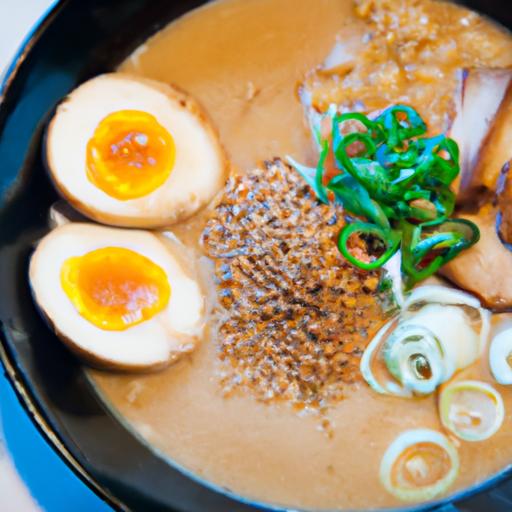

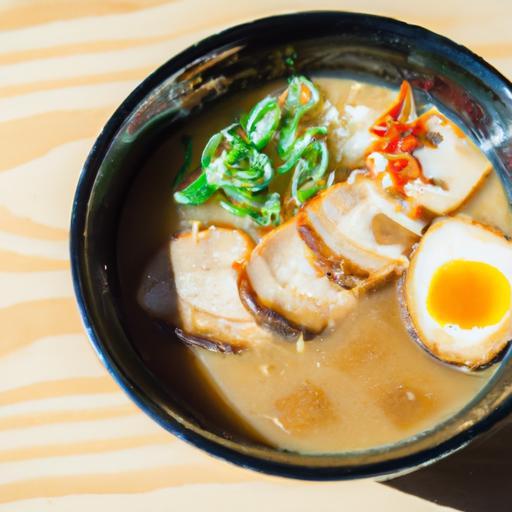
In the vibrant world of culinary delights,few dishes capture the imagination-and ignite the palate-quite like spicy miso ramen. This fiery flavor fusion is more than just a bowl of noodles; it’s an intricate dance of bold spices, savory miso, and rich broth that transforms humble ingredients into a sensational experience. As we delve into the art of crafting spicy miso ramen, we’ll uncover the history, the techniques, and the secret ingredients that make this dish a beloved staple for heat seekers and food enthusiasts alike.Prepare too embark on a flavorful journey where tradition meets innovation, and every slurp tells a story of passion and spice.
Fiery Flavor Fusion awakens the senses with a bowl of spicy miso ramen that perfectly balances heat and umami in every slurp. Drawing inspiration from the rich culinary heritage of Hokkaido, Japan’s northern island famed for its hearty miso broths, this dish combines bold chili-infused warmth with deep fermented soybean notes, creating a symphony of taste that’s both comforting and exhilarating. Whether you’re a seasoned ramen aficionado or venturing into the world of Japanese noodles for the first time, crafting this fiery bowl promises an unforgettable dining experience enriched with layers of texture and flavor depth.
Prep and Cook Time
- Preparation: 20 minutes
- Cooking: 40 minutes
- Total Time: 1 hour
Yield
- Serves 4 generous bowls
Difficulty Level
- Medium – requires attention to timing and layering flavors
Ingredients
- Broth Base: 6 cups chicken stock (preferably homemade or low sodium)
- Miso Paste: 3 tbsp red miso (aka aka miso) for deep umami
- Soy Sauce: 2 tbsp dark soy sauce for balanced saltiness
- Chili paste: 1 tbsp tobanjan (fermented chili bean paste) or substitute with 1 tsp chili garlic sauce
- Sesame Oil: 2 tsp toasted sesame oil
- Fresh Aromatics: 3 garlic cloves, minced; 1-inch ginger piece, grated; 2 stalks green onions, sliced (white and green parts separated)
- Shrimp or Pork Stock (optional): 1 cup for an extra depth boost (can substitute with vegetable broth)
- Noodles: 400g fresh or dried ramen noodles
- Toppings: Soft-boiled eggs (4), menma (fermented bamboo shoots) ½ cup, nori sheets (4), sliced chashu pork or braised tofu (200g), fresh bean sprouts (1 cup), sliced scallions (green parts), toasted sesame seeds
- Optional Garnishes: Shichimi togarashi, grated fresh carrot, pickled ginger slices
Instructions
- Prepare the Aromatic Broth: In a large pot, heat sesame oil over medium heat. Add minced garlic, grated ginger, and the white parts of green onions. Sauté until fragrant and golden brown, about 5 minutes, stirring often to prevent burning.
- Build the Umami Base: Add the red miso paste and tobanjan chili paste, stirring until the mixture becomes aromatic and slightly thickened, about 2 minutes. This step unlocks the deep fiery flavor fusion essential to the broth’s character.
- Incorporate Stocks: Slowly pour in the chicken stock and optional shrimp or pork stock,whisking to fully combine. bring to a gentle simmer, reducing heat to low. Let it cook uncovered for 25 minutes to meld flavors while stirring occasionally.
- Season: Add soy sauce and adjust saltiness by tasting the broth. If more heat is desired, add a bit more chili paste carefully until perfectly spicy yet balanced.
- Prepare Noodles: Boil a large pot of water.Cook ramen noodles according to package instructions until just al dente (usually 2-3 minutes fresh, 4-5 minutes dried). Drain and rinse briefly under cold water to halt cooking and remove excess starch.
- Soft-Boil Eggs: Place eggs in boiling water for exactly 7 minutes. Transfer to an ice bath immediately, peel gently, and slice in halves.
- Assemble Bowls: Divide cooked noodles among four deep ramen bowls. Ladle steaming hot fiery miso broth over noodles gently to preserve noodle texture.
- Add Toppings Artistically: Arrange soft-boiled eggs, menma, nori sheets, chashu or tofu, bean sprouts, sliced scallions, and sesame seeds on top. For a visual pop, sprinkle a pinch of shichimi togarashi and fresh grated carrot.
Tips for Success
- Broth Balance: Achieving a perfect harmony between heat and umami is key. Start with less chili paste; you can always increase spiciness after tasting.
- Noodle Texture: Rinse cooked noodles to keep them slightly springy and prevent sogginess when added to the hot broth.
- Make-Ahead: Broth can be made up to 3 days ahead and refrigerated. reheat gently on the stove before assembling.
- Ingredient Swaps: For a vegetarian option,use vegetable broth and replace chashu pork with marinated mushrooms or tempeh.
- Egg Prep: If you prefer firmer yolks, boil eggs 8-9 minutes. For the silky runny yolk classic, keep the 7-minute timing strict.
Serving suggestions
Serve your spicy miso ramen steaming hot in wide, deep bowls. Pair with a small side plate of pickled vegetables or kimchi to accentuate the umami-heat spectrum. A cold glass of Japanese lager or a mild green tea balances the fiery richness wonderfully. Garnish additional fresh herbs like cilantro or Thai basil for a fragrant twist. For an elegant finish, drizzle a touch of chili oil or a dab of yuzu kosho on top for citrusy brightness.
| Nutrient | Per Serving |
|---|---|
| Calories | 480 kcal |
| Protein | 28 g |
| Carbohydrates | 56 g |
| Fat | 14 g |
Image: 
Discover more ramen secrets and elevate your homemade bowls by visiting our detailed guide on Ultimate Guide to Ramen Noodles. For authentic miso fermentation insights, consult Nichirei Foods Miso 101.
Q&A
Q&A: Fiery Flavor Fusion – Exploring the Art of Spicy Miso Ramen
Q1: What exactly is spicy miso ramen?
A: Spicy miso ramen is a vibrant, soul-warming bowl of Japanese noodle soup that marries the deep, savory complexity of fermented miso with an invigorating kick of heat. It’s a harmonious fusion where umami richness meets fiery spice, creating a layered flavor profile that dances on the palate.
Q2: How does miso influence the flavor of ramen?
A: Miso is the heart and soul of this ramen variety. It’s a fermented soybean paste that imparts a robust umami taste – think earthy,slightly sweet,and deeply savory. When blended into the broth, miso adds a velvety texture and depth, turning a simple soup into a comforting elixir that lingers long after the last slurp.
Q3: What kinds of spice are typically used in spicy miso ramen?
A: The heat comes in many delicious forms! Chili oil,togarashi (Japanese chili powder),fresh chilies,or even fermented chili pastes like rayu often add layers of fire. Some chefs like to balance the heat with hints of garlic and ginger, ensuring the spice teases rather than overwhelms the senses.
Q4: What makes the broth in spicy miso ramen unique compared to other ramen varieties?
A: The broth is a masterful balance of savory depth and fiery brightness. Unlike the lighter, clearer tonkotsu or shoyu broths, spicy miso ramen’s broth is usually rich and hearty, often simmered with pork bones or chicken to add body, then infused with miso and spicy elements. The result is a thick, flavorful soup that’s both comforting and exhilarating.
Q5: Are there specific toppings that complement spicy miso ramen?
A: Absolutely! Popular toppings include tender chashu pork,soft-boiled marinated eggs,green onions,bamboo shoots,and crunchy corn kernels. Some chefs add a dollop of spicy bean paste or sprinkle toasted sesame seeds for texture contrast. Fresh garnishes like sliced scallions or nori sheets add freshness and a hint of oceanic umami.
Q6: How do chefs achieve the perfect balance between spice and miso?
A: It’s an art form that involves layering flavors carefully. Chefs start with a rich miso base and introduce spice gradually, tasting and adjusting to maintain harmony. The goal is to ensure the chili fire enhances the miso’s mellow depth rather than overpower it. Clever use of cooling or sweet elements, like corn or a soft egg, also tames the heat and rounds out the bowl.
Q7: Can spicy miso ramen be enjoyed by those sensitive to spicy food?
A: Definitely! The spice level can be customized-from mild warmth to tongue-tingling heat-making it accessible to all palates. Plus, the richness of miso provides a soothing counterbalance that can mellow the fiery notes, making it a flavorful adventure rather than an intimidating challenge.
Q8: What cultural meaning does spicy miso ramen hold in Japan?
A: Though ramen originated as a humble street food, spicy miso ramen has become a symbol of regional pride-especially in Hokkaido, where miso-based ramen was popularized. It reflects a culinary tradition of innovation and bold flavor combinations, embodying Japan’s evolving food landscape that embraces both heritage and creativity.
Q9: how can home cooks recreate the magic of spicy miso ramen in their own kitchens?
A: Start with a good quality miso paste,invest in homemade or fresh noodles,and build a broth layer by layer-using bones,aromatics,and seasoning. Spice shoudl be added thoughtfully, and toppings tailored to taste. Don’t rush the process; the soul of spicy miso ramen lies in patience and balance.And of course, enjoy the journey as much as the bowl!
Spicy miso ramen is more than a dish-it’s a fiery fusion of tradition and taste, awakening the senses with each vibrant slurp. Whether you’re a spice seeker or an umami enthusiast, this ramen invites you to explore a flavorful world where heat and heart collide beautifully.
Closing Remarks
as the final spoonful of spicy miso ramen warms your soul and ignites your taste buds, it becomes clear that this dish is more than just a meal-it’s an artful fusion of bold flavors and cultural craftsmanship. From the carefully balanced heat of chili-infused miso to the hearty embrace of tender noodles and savory broth, every element tells a story of culinary passion and innovation. Whether you’re a seasoned ramen enthusiast or a curious spice seeker, exploring the fiery depths of spicy miso ramen invites you to savor not only the heat but the harmony that elevates this beloved dish to a true masterpiece of flavor fusion. So next time you crave a bowl that excites and comforts, remember: in the realm of ramen, spice is not just an ingredient-it’s an experience waiting to be discovered.