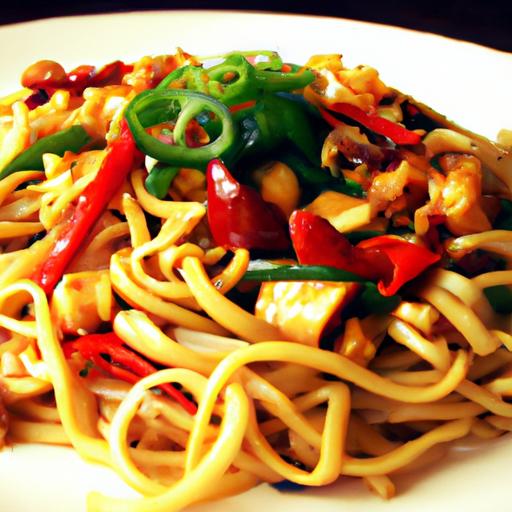
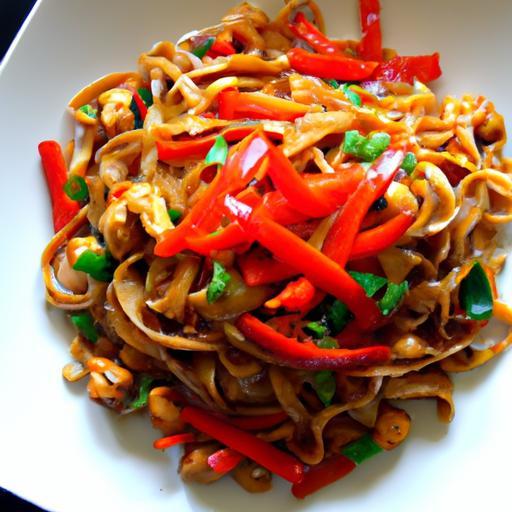
When it comes to beloved Chinese cuisine, few dishes capture the perfect balance of boldness and comfort quite like Kung Pao Chicken.But what happens when this iconic recipe steps away from tradition and embraces the humble noodle? Enter Kung Pao Noodles-a vibrant, mouthwatering twist that reinvents the classic flavors wiht a new textural harmony. This delightful fusion brings together the signature spicy,sweet,and savory notes of the original dish,twirling them around strands of tender noodles for a culinary experience that’s both familiar and refreshingly novel. Join us as we explore how Kung Pao Noodles take a storied classic and transform it into a versatile, flavor-packed meal that’s winning hearts on plates around the world.
Kung Pao Noodles invite a delicious evolution from the beloved Sichuan classic, blending bold spices, tender noodles, and crunchy peanuts into one unforgettable bowl. Rooted in the vibrant culinary heritage of China’s Sichuan province, this dish embodies a perfect harmony of sweet, spicy, salty, and tangy flavors that dance on the palate. My first encounter with Kung Pao Noodles was at a family gathering were the lively aroma of chili peppers and toasted Sichuan peppercorns filled the air, inspiring me to recreate and perfect this iconic recipe in my own kitchen.
Prep and Cook Time
- Preparation: 15 minutes
- Cooking: 20 minutes
- Total Time: 35 minutes
Yield
- Serves 4 generous portions
Difficulty level
- Medium – perfect for cooks pleasant with stir-frying and balancing vibrant sauces
Key Ingredients That Bring Authenticity to Your Bowl
- 8 oz fresh or dried wheat noodles (Chinese egg noodles or lo mein preferred)
- 2 tbsp Sichuan peppercorns, toasted and crushed
- 3 tbsp light soy sauce for brightness
- 1 tbsp dark soy sauce for depth and color
- 2 tbsp rice vinegar, providing the essential tang
- 1 tbsp Chinese Shaoxing wine or dry sherry for aromatic layers
- 1 tbsp hoisin sauce for a subtle sweetness
- 1 tbsp cornstarch mixed with 3 tbsp water to thicken
- 3 garlic cloves, finely minced
- 2 inches fresh ginger, grated
- 3-4 dried red chilies, torn (adjust to heat preference)
- 1 cup roasted peanuts, unsalted and roughly chopped
- 2 green onions, sliced thinly for garnish
- 3 tbsp vegetable oil for stir-frying
- 1/2 lb boneless chicken thighs, diced (optional protein)
Step by Step Guide to Mastering the Perfect Kung Pao Sauce
- Toast Sichuan peppercorns gently in a dry pan over medium heat until fragrant (about 2 minutes). Grind finely using a mortar and pestle; set aside.
- Prepare the sauce by whisking together light soy sauce,dark soy sauce,rice vinegar,Shaoxing wine,hoisin sauce,and the cornstarch slurry in a small bowl until smooth.
- Heat 2 tablespoons vegetable oil in a wok or large skillet over high heat. Add dried red chilies and stir-fry for 30 seconds; this unlocks their smoky heat without burning.
- Add garlic and ginger to the wok, sautéing until aromatic (about 15 seconds).Then add diced chicken, stirring continuously until browned and cooked through, about 5-7 minutes.
- Pour in prepared sauce and the crushed Sichuan peppercorns. Stir vigorously as the sauce thickens, coating the chicken evenly.
- In a separate pot, cook noodles until al dente per package instructions. Drain and toss instantly with 1 tbsp vegetable oil to prevent sticking.
- Combine noodles and Kung Pao chicken sauce in the wok, stir-frying for another 2 minutes to marry flavors.
- Finish with roasted peanuts and sliced green onions. Toss gently to incorporate their contrasting textures and fresh bursts of flavor.
Chef’s Notes and Tips for Success
- For an authentic crunch,opt for fresh,whole roasted peanuts and chop them yourself rather than using salted or pre-ground varieties.
- Adjust the chili quantity based on your preferred heat level. removing seeds reduces spice without losing flavor.
- Vegetarian version swaps chicken with firm tofu or shiitake mushrooms. Sauté until golden and follow the same sauce steps.
- Make the sauce ahead and refrigerate for up to 2 days. Reheat gently and toss with freshly cooked noodles for a fast meal.
- Use high-quality soy sauces to elevate the sauce depth; inexpensive brands often taste overly salty or flat.
Creative Variations to Spice Up Your Kung Pao Noodle Experience
- Seafood Delight: Substitute shrimp or scallops for chicken and garnish with fresh cilantro and lime zest for brightness.
- Vegetable Medley: Add crunchy bell peppers, snap peas, and baby corn to introduce a garden-fresh twist.
- Spicy Peanut Twist: Incorporate a tablespoon of creamy peanut butter into the sauce for richness and a velvety texture.
- Cold Noodle Salad: Toss cooled noodles with Kung Pao sauce, julienned cucumbers, and shredded carrots for a refreshing take.
Serving Suggestions
- Serve your Kung Pao Noodles steaming hot in shallow bowls, layered with those brilliantly vibrant toppings for an inviting presentation.
- Garnish with additional chopped peanuts, sliced scallions, and a sprinkling of toasted sesame seeds for extra texture and contrast.
- A crisp side of pickled vegetables or a spicy cucumber salad complements the bold notes beautifully and balances heat.
- Pair with jasmine rice or a simple stir-fried green vegetable to round out the meal.
| Nutrient | Per Serving |
|---|---|
| calories | 480 kcal |
| Protein | 32 g |
| Carbohydrates | 50 g |
| Fat | 15 g |

For more exciting noodle recipes, check out our Ultimate Guide to Stir-Fried Noodles. to deepen your understanding of Sichuan cuisine’s bold flavors, explore this extensive Wikipedia entry on Sichuan cuisine.
Q&A
Q&A: Kung Pao Noodles – A Flavorful Twist on a Classic Dish
Q1: What exactly are Kung Pao Noodles?
A1: Kung Pao Noodles are a creative fusion dish that takes the bold, spicy flavors of the customary Kung Pao chicken and pairs them with the comforting, chewy texture of stir-fried noodles. Imagine the iconic Kung Pao sauce-tangy,sweet,and packed with a hint of numbing Sichuan peppercorn-coating every strand of noodles rather of the usual bite-sized chicken pieces. It’s a delightful twist that amps up your noodle game with a punch of authentic Chinese zest.
Q2: How does Kung Pao Noodles differ from classic Kung Pao Chicken?
A2: While classic Kung Pao Chicken centers around tender chunks of chicken, peanuts, and a spicy-sweet sauce, Kung Pao Noodles switch the star protein for slippery noodles. This adaptation focuses on texture contrast-crispy peanuts and crunchy vegetables mingle with soft noodles, all wrapped in the familiar fiery sauce. The noodles absorb the flavors, creating a more unified, mouthwatering experience perfect for noodle lovers.
Q3: What ingredients give Kung Pao Noodles their signature flavor?
A3: The magic lies in the sauce-a blend of soy sauce, black vinegar, hoisin, sugar, and the all-important Sichuan peppercorns that deliver a unique numbing spice. Garlic, ginger, and dried chili peppers add depth and heat, while roasted peanuts contribute crunch and nutty undertones. Toss thes ingredients with stir-fried noodles and fresh veggies like bell peppers and scallions, and you get a dish bursting with layers of savory, spicy, and slightly sweet notes.
Q4: Can Kung Pao Noodles be made vegetarian or vegan?
A4: Absolutely! Kung Pao Noodles are incredibly versatile. Swap out any chicken or meat for firm tofu, tempeh, or extra vegetables like mushrooms and snap peas. just be sure to use a vegetarian stir-fry sauce-many traditional ones contain oyster sauce, so look for plant-based alternatives or use mushrooms to deepen the umami flavor. This makes the dish accessible to everyone while keeping the punchy,vibrant flavors intact.
Q5: what’s the best way to serve Kung Pao Noodles?
A5: Serve them hot, garnished with a sprinkle of toasted peanuts and fresh scallions for that irresistible crunch and fresh herbal bite. A side of steamed greens, like bok choy or broccoli, complements the richness and balances the heat.For an extra touch of authenticity, a small bowl of pickled vegetables or a cool cucumber salad can elevate the meal, adding refreshing contrast.Q6: Is Kung Pao Noodles a traditional Chinese dish?
A6: Not exactly. While Kung Pao Chicken is a classic Sichuan dish, turning it into a noodle-centric meal is a modern, innovative take mostly popularized outside of China. It reflects the global love for fusion cuisine, marrying comforting noodles with the fiery, tangy essence of Kung Pao sauce to create something both familiar and excitingly new.
Q7: How can I master cooking Kung Pao Noodles at home?
A7: Start by preparing the sauce ahead of time to balance sweet, sour, salty, and spicy flavors perfectly. use high heat to quickly stir-fry your ingredients, preserving their crispness and allowing noodles to soak up the sauce without becoming mushy. Don’t skimp on Sichuan peppercorns-they provide the distinctive numbing sensation that makes this dish unforgettable. With a little practice, you’ll have a wok full of bold, flavorful noodles to savor!
Key Takeaways
In the ever-evolving world of culinary delights, Kung Pao Noodles stand out as a vibrant, mouthwatering reinvention of a beloved classic. By marrying the bold,spicy kick of traditional Kung Pao sauce with the comforting,chewy allure of noodles,this dish invites both seasoned foodies and curious newcomers to savor a harmonious blend of flavors and textures. Whether enjoyed as a quick weeknight dinner or a show-stopping centerpiece at your next gathering, Kung Pao Noodles prove that embracing innovation in the kitchen can lead to delicious discoveries. So next time you crave a meal that’s as dynamic as it is delicious, let Kung pao Noodles be your flavorful guide on a culinary adventure that honors tradition while boldly forging its own unique path.