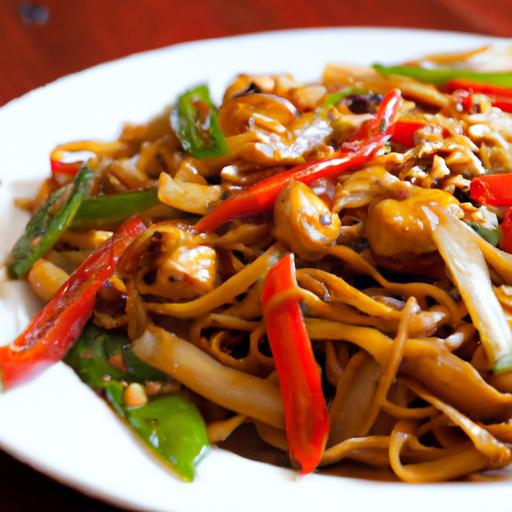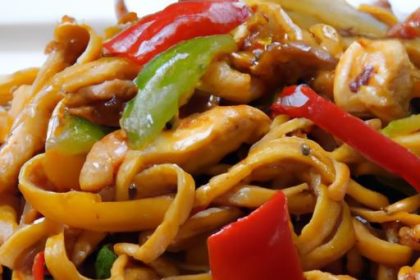
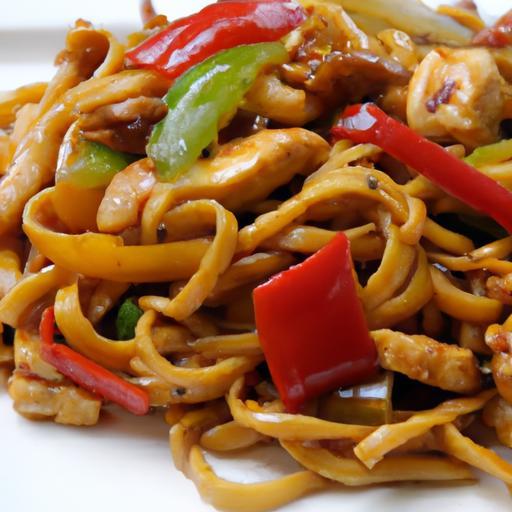
In the vibrant world of culinary fusion, few dishes captivate the palate quite like Kung Pao Noodles-a bold, spicy twist on the timeless classic that has won hearts worldwide. Combining the fiery kick of Sichuan peppercorns with the comforting embrace of tender noodles, this dish transforms humble ingredients into a symphony of flavors and textures. Whether you’re a longtime fan of traditional Kung Pao Chicken or an adventurous foodie eager to explore new tastes,Kung Pao Noodles promise an exhilarating journey through heat,crunch,and savoriness that redefines what a beloved favorite can be. join us as we unravel the story,flavors,and simple secrets behind this dazzling dish thatS as exciting to eat as it is indeed to create.
Origins and Evolution of Kung Pao Noodles in Chinese cuisine
Kung Pao Noodles represent a vibrant, modern twist on the revered Kung pao chicken, a dish with a rich history deeply rooted in Sichuan province’s fiery culinary tradition.Originally named after ding Baozhen, a Qing Dynasty official whose nickname was “Kung Pao,” the classic Kung Pao chicken is famous for its bold, balanced heat and sweet-savory notes. Over time, noodles became a natural canvas for these iconic flavors, seamlessly evolving Kung Pao into a versatile noodle dish that delivers a satisfying blend of spicy, nutty, and umami elements. This evolution preserves the heart of Sichuan spice while embracing the comforting texture and versatility of noodles, making Kung Pao Noodles both an homage and an inventive leap forward in Chinese cuisine.
Essential Ingredients Delivering the Perfect Spicy Balance
To master authentic Kung Pao Noodles, the key lies in selecting ingredients that layer heat, depth, and texture harmoniously. The hallmark components include bright, aromatic Sichuan peppercorns, dried red chilies, and crunchy roasted peanuts. Complementing the heat are savory soy sauces-both light and dark-that add complexity, and also the subtle sweetness of Shaoxing wine and a touch of sugar to balance the spice. Fresh garlic and ginger contribute a zesty sharpness, while scallions provide freshness at the finish. Using fresh wheat noodles or hand-pulled noodles ensures the perfect chewy bite, acting as the ideal vehicle for this bold sauce. Together, these elements bring authenticity and a remarkable spicy balance to every bite.
Step by Step Guide to Mastering Authentic Kung Pao Noodles
Prep and Cook Time
- Preparation Time: 15 minutes
- Cooking Time: 20 minutes
- Total Time: 35 minutes
Yield
- Serves 4 generous portions
Difficulty Level
- Medium – requires attention to timing and sauce development
Ingredients
- 300g fresh wheat noodles (or dried, cooked per package instructions)
- 2 tbsp vegetable oil
- 8-10 dried red chilies, deseeded for less heat
- 1 tsp Sichuan peppercorns, lightly crushed
- 3 garlic cloves, finely minced
- 1 tbsp fresh ginger, minced
- 3 scallions, sliced thinly (green and white parts separated)
- 150g boneless chicken thighs, diced (optional for protein)
- 2 tbsp light soy sauce
- 1 tbsp dark soy sauce
- 1 tbsp shaoxing wine (Chinese rice wine)
- 1 tsp Chinese black vinegar
- 1 tsp sugar
- 1 tbsp cornstarch mixed with 2 tbsp water (slurry)
- 1/4 cup roasted peanuts, roughly chopped
- Fresh cilantro for garnish (optional)
Instructions
- Prepare noodles: Cook noodles according to package directions until al dente.Drain, rinse under cold water, and set aside with a drizzle of oil to prevent sticking.
- Toast spices: Heat a dry wok or skillet over medium heat. Add Sichuan peppercorns and dried chilies; toast until fragrant (about 2 minutes),then remove and set aside.
- Cook protein: In the wok, heat vegetable oil over high heat. Add diced chicken thighs and stir-fry until browned and cooked through, about 5-7 minutes. Remove and keep warm.
- Sauté aromatics: Add garlic, ginger, and white parts of scallions to the wok. Stir-fry gently until fragrant, about 30 seconds, taking care not to burn the garlic.
- Build sauce: Return toasted chilies and Sichuan peppercorns to the wok. Pour in light soy sauce, dark soy sauce, Shaoxing wine, black vinegar, and sugar. Stir well to combine and bring sauce to a gentle simmer.
- Thicken sauce: Slowly pour in the cornstarch slurry, stirring constantly until sauce thickens to a glossy coating.
- Combine noodles and chicken: return noodles and cooked chicken to the wok. Toss everything vigorously ensuring the noodles are evenly coated with the spicy sauce.
- Final touches: Add roasted peanuts and the green tops of scallions. Toss briefly to mix and heat through.
- Serve immediately: Plate the noodles, garnish with fresh cilantro if desired, and offer extra chili flakes for those who crave more heat.
Tips and Variations to Customize Heat Levels and Flavor Profiles
Adjusting the firepower of your Kung Pao Noodles is simple and rewarding. For those new to sichuan spice, reduce or remove the seeds in your dried chilies and decrease the Sichuan peppercorns. For a smoky flair, lightly char the chilies before incorporating them. Vegetarians can substitute chicken with firm tofu, seared until golden, or add baby corn and bell peppers for added crunch and sweetness. Experimenting with different noodles-like rice noodles or soba-can offer delightful textural contrasts. To boost nuttiness, swap roasted peanuts with cashews. For an added punch, drizzle some chili oil or a dash of toasted sesame oil just before serving. Remember, balancing spice with sweetness and acidity is key to authentic flavor, so taste and tweak as you go.
Serving Suggestions
- Serve in wide bowls to showcase the vibrant mixture of noodles, chilies, and crunchy peanuts.
- Pair with steamed bok choy or a simple cucumber salad to refresh the palate.
- A chilled jasmine tea or light lager complements the spicy warmth beautifully.
- Garnish with chopped scallions, cilantro, and a wedge of lime for a citrus brightness that cuts through the heat.
Nutritional Details (per serving)
| Calories | Protein | Carbohydrates | Fat |
|---|---|---|---|
| 420 kcal | 28 g | 45 g | 12 g |

Explore more authentic Chinese recipes like Sichuan Mapo Tofu to deepen your culinary journey. For an in-depth history of Sichuan cuisine’s unique spice profile, visit Britannica’s Sichuan Cuisine.
Q&A
Q&A: kung pao Noodles – A Spicy twist on a Classic Favorite
Q1: What exactly are Kung Pao Noodles?
A1: Kung Pao Noodles are a vibrant, flavor-packed dish inspired by the beloved classic Kung pao chicken.Instead of the traditional diced chicken and peanuts, this version uses noodles as the star, tossed in a fiery, tangy sauce with crunchy peanuts, fresh vegetables, and a hit of Sichuan peppercorn zing-creating a delightful dance of textures and spices in every bite.
Q2: How did Kung Pao Noodles come to be?
A2: Born from culinary creativity in fusion kitchens, Kung Pao Noodles took inspiration from the iconic Kung Pao Chicken. The idea was simple: take the intense, savory, and spicy essence of Kung Pao and reimagine it as a noodle dish. It bridges familiar tastes with new textures, giving noodle lovers a fresh reason to savor a sichuan classic.Q3: What ingredients give Kung Pao Noodles their signature flavor?
A3: The magic lies in the balance of spicy, sweet, and savory. Key players include chili peppers or chili paste, soy sauce, garlic, ginger, a touch of sugar or honey, and the must-have Sichuan peppercorns that provide that distinctive numbing heat. Tossed with crunchy peanuts and scallions, the noodles soak up this luscious sauce, making every mouthful an explosion of flavor.
Q4: Can Kung Pao Noodles be made vegetarian or vegan?
A4: absolutely! The beauty of kung Pao noodles is their versatility. Swap chicken or meat for tofu,mushrooms,or hearty vegetables like bell peppers and zucchini.Just ensure your sauce is vegan-friendly by using tamari or vegan soy sauce, and voilà-you have a spicy, plant-based feast that doesn’t sacrifice an ounce of flavor.Q5: How spicy are Kung Pao Noodles?
A5: Spiciness can be tailored to your heat tolerance. Traditional recipes pack a punch with dried chilies and Sichuan peppercorns, creating a fiery and numbing sensation. However, you can dial down the spice by reducing chili quantities or substituting with milder peppers-ensuring this dish can be enjoyed by both heat seekers and those who prefer a gentler kick.
Q6: What makes kung Pao Noodles stand out from other spicy noodle dishes?
A6: Unlike many spicy noodle dishes that lean heavily on chili oil or hot sauce, Kung Pao Noodles offer a unique complexity through the interplay of sweet, savory, tangy, and numbing flavors. The inclusion of crunchy peanuts and the tongue-tingling Sichuan peppercorns elevate it beyond simple heat, making it a multi-dimensional taste experience.
Q7: What dishes pair well with Kung Pao Noodles?
A7: To complement the bold flavors, try light, refreshing sides like cucumber salad or steamed bok choy. For a heartier meal, pair with garlic green beans or a simple egg drop soup. The goal is to balance the spice with something cooling or mild,creating a perfectly rounded dining experience.
Q8: how can I make Kung Pao Noodles at home without too much fuss?
A8: Start with cooked noodles of your choice-egg noodles, rice noodles, or even spaghetti. Whip up the Kung Pao sauce with pantry staples like soy sauce, chili paste, garlic, and sugar. Stir-fry your protein and veggies, toss everything together with peanuts and scallions, and your spicy, tangy, irresistible noodles are ready in under 30 minutes. Rapid, customizable, and delicious!
Q9: Why is Kung Pao Noodles becoming so popular worldwide?
A9: It’s a perfect culinary marriage of comfort and excitement. The dish satisfies the universal craving for noodles while introducing layers of bold, authentic Sichuan flavors. Its adaptability to different diets and the ease of home cooking have made kung Pao Noodles a spicy sensation for adventurous eaters and classic Chinese food lovers alike.
Ready to take your taste buds on a fiery journey? give Kung Pao Noodles a try-where tradition meets a spicy, saucy new spin!
The Conclusion
Whether you’re a longtime fan of Kung Pao chicken or a noodle enthusiast seeking new flavors, Kung Pao Noodles offer a vibrant, spicy twist that reinvents a classic favorite with every bite. balancing heat, sweetness, and savory depth, this dish invites both comfort and excitement to your dining table. So next time you crave that perfect blend of bold and familiar, let Kung Pao Noodles be your go-to-a dish where tradition meets innovation in a tantalizing noodle bowl.