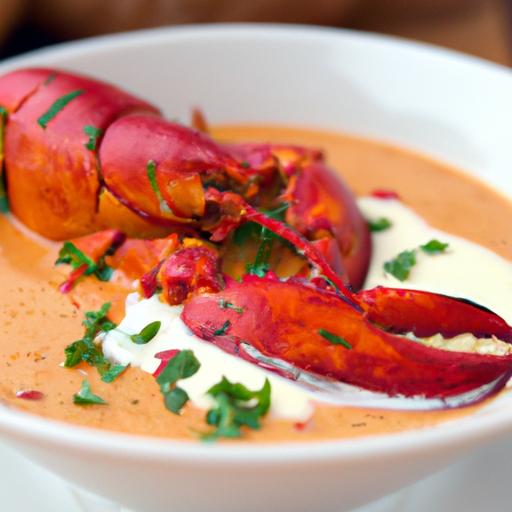

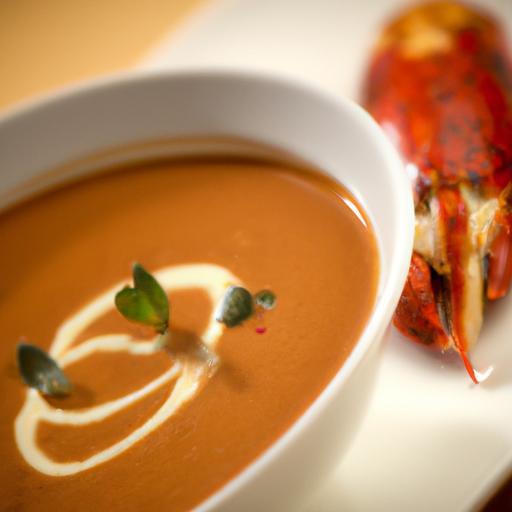
There’s a certain magic in a bowl of lobster bisque – a velvety,richly flavored soup that transports the senses to the heart of coastal luxury. Mastering this classic French delicacy is not just about following a recipe; it’s an art form that balances delicate sweetness with creamy indulgence,creating a dish both elegant and comforting. Whether you’re an aspiring home chef or a seasoned gourmand, our decadent recipe guide will lead you step-by-step through the secrets of crafting lobster bisque that dazzles the palate and elevates any dining experiance. Prepare to unlock the subtle techniques and fragrant nuances that turn humble ingredients into a sublime masterpiece.
Master the Art of Lobster bisque begins with selecting the freshest lobster and essential ingredients that build the foundation of deep, luscious flavor. The true magic of this dish lies in the harmony of fresh seafood and a richly crafted stock, setting the stage for a silky, indulgent bisque that feels like a warm embrace in every spoonful.
Prep and Cook Time
- Preparation: 30 minutes
- Cooking: 1 hour 15 minutes
- Total: 1 hour 45 minutes
Yield
- Serves 6 generously
Difficulty Level
- Medium – perfect for home chefs ready to elevate their seafood repertoire
Ingredients
- 2 whole live lobsters (1.5 to 2 lbs each), fresh and lively
- 4 tablespoons unsalted butter, divided
- 1 large onion, finely diced
- 2 celery stalks, finely chopped
- 2 carrots, peeled and diced
- 4 garlic cloves, minced
- 2 tablespoons tomato paste
- 1 cup dry white wine (Sauvignon Blanc or Chardonnay recommended)
- 6 cups seafood stock (preferably homemade or high-quality store-bought)
- 1 cup heavy cream
- 1 tablespoon brandy or cognac
- 2 bay leaves
- 1 teaspoon dried thyme
- Salt and freshly ground black pepper to taste
- Fresh chives or tarragon for garnish
- Fresh lemon wedges, optional
Instructions
- Prepare the Lobster: Place live lobsters in the freezer for 15-20 minutes to gently sedate them. Boil a large pot of salted water, then immerse lobsters headfirst for 8 minutes until shells turn bright red. Remove and set aside to cool. Once cool, carefully extract lobster meat from claws, tails, and knuckles. Reserve shells for the stock.
- Craft the Lobster Stock: In a large heavy-bottomed pot, melt 2 tablespoons of butter over medium heat. Add diced onion, celery, and carrots, sautéing until softened and aromatic, about 7 minutes. Stir in garlic and tomato paste, cooking another 2 minutes until tomato paste darkens slightly.
- Add lobster shells to the pot and stir to coat in the vegetable base. Pour in white wine and simmer until reduced by half, about 10 minutes, allowing spirits and complexity to infuse.
- Add seafood stock,bay leaves,and thyme. Bring to a gentle simmer and cook uncovered for 45 minutes,skimming any foam frequently to ensure a clear,flavorful broth.
- strain the stock through a fine-mesh sieve, pressing down on solids to extract maximum flavor. Discard solids and return the strained liquid to the pot.
- Build the bisque: In a separate saucepan, melt remaining 2 tablespoons butter. Add lobster meat and gently warm for 2 minutes; remove and set aside to avoid overcooking. Stir in heavy cream and brandy to the strained lobster stock, simmering gently for 5 minutes.
- Achieve Silky Texture: Using an immersion blender or standing blender in batches, purée the bisque until fully smooth and velvety.For extra refinement, pass bisque through a fine chinois or double-layered cheesecloth to remove any remaining shell fragments and fibrous bits.
- Return bisque to low heat and fold warm lobster meat back in.Season with salt and pepper to taste. Keep warm but do not boil, preserving delicate creaminess and lobster flavor.
- Presentation and Finishing Touches: Ladle bisque into warm, shallow bowls. Garnish with a sprinkle of finely chopped chives or fresh tarragon leaves. Add a drizzle of high-quality extra virgin olive oil or a small pat of butter for shine. Serve with lightly toasted brioche or a fresh lemon wedge to brighten flavors at the table.
tips for Success
- choosing Fresh Lobster: Opt for live lobsters whenever possible and check for lively movement and a fresh, briny aroma. Avoid shells with cracks or discoloration. Buying from a reputable seafood market ensures quality.
- Lobster Stock Secrets: Roasting the lobster shells briefly before simmering can add deeper umami notes, but monitor closely to avoid burning the shells.
- Texture Mastery: Use an immersion blender for control, blending just enough to break down shells without aerating too much, which can affect the bisque’s luxurious mouthfeel.
- Make Ahead: Lobster bisque frequently enough tastes even better the next day as flavors deepen. Reheat gently over low heat, stirring occasionally.
- Substitutions: For a lighter version, substitute half the cream with whole milk, but expect a slightly less silky texture.
Serving Suggestions
- Complement with a glass of crisp, unoaked white wine like Pinot Grigio or a light Chardonnay for balance.
- Serve alongside warm,buttered brioche croutons or crusty French bread to soak up every luscious drop.
- Top with a dollop of crème fraîche or a sprinkle of finely grated aged Parmesan for an extra layer of indulgence.
- Garnish with delicate herb blossoms or microgreens for an elegant,restaurant-worthy presentation.
| Per serving | Calories | Protein | Carbohydrates | Fat |
|---|---|---|---|---|
| Lobster Bisque | 320 kcal | 25 g | 8 g | 18 g |
Explore more exquisite seafood recipes in our Seafood Recipe Collection, and for a deep dive into lobster sustainability and selection, visit the NOAA Fisheries Seafood Watch.

Q&A
Q&A: Master the Art of Lobster Bisque – A Decadent recipe Guide
Q1: What makes lobster bisque different from other cream-based soups?
A1: Lobster bisque is a luxurious, velvety soup distinguished by its rich, deep flavors that come from simmering lobster shells to create a robust stock. Unlike simple cream soups, bisque blends delicate seafood essence with aromatics and cream, producing a silky texture and a layered taste that’s both indulgent and comforting.
Q2: Why is a lobster shell stock essential in lobster bisque? Can I skip it?
A2: The lobster shell stock is the soul of the bisque-it infuses the soup with intense, natural seafood flavor and a subtle sweetness. skipping the homemade stock usually results in a flatter, less vibrant bisque. Investing time in simmering the shells unlocks that authentic, decadent character you crave.
Q3: What are the key ingredients that elevate a lobster bisque from good to unforgettable?
A3: Beyond lobster meat and shells, it’s the aromatic trio of mirepoix (onion, celery, carrot), garlic, and herbs like thyme and bay leaves that build complexity. A splash of cognac or brandy adds warmth and sophistication, while a touch of tomato paste deepens color and flavor. Cream, of course, wraps everything in the luxurious finish worthy of a gourmet experience.
Q4: How can I achieve that perfectly smooth and velvety texture in my bisque?
A4: The secret lies in thorough blending and straining. After simmering, purée the bisque in a high-powered blender until silky smooth. Then, pass it through a fine-mesh sieve or chinois to remove any bits of shell or vegetable fibers. This final step ensures the bisque glides across yoru palate like liquid gold.
Q5: Is lobster bisque difficult for home cooks to master?
A5: While lobster bisque might sound intimidating, it’s surprisingly approachable with some patience. The most time-consuming part is preparing the stock, but once you get that down, assembling and finishing the bisque is straightforward. Plus, the reward-a bowl of rich, elegant soup-is well worth the effort!
Q6: Can lobster bisque be prepared ahead of time?
A6: Absolutely! In fact, lobster bisque often tastes even better the next day as the flavors meld and deepen. Store it refrigerated in an airtight container for up to 2 days or freeze for longer storage. Reheat gently over low heat to preserve its silky texture and flavor.
Q7: What wine pairs best with lobster bisque?
A7: A buttery, oaked Chardonnay complements the bisque’s creamy richness beautifully. Alternatively,a crisp Sauvignon Blanc or a light Pinot noir can provide a refreshing balance. Choose a wine that mirrors the soup’s sophistication without overpowering its delicate lobster essence.
Q8: Are there creative twists to try once I’ve mastered the classic lobster bisque?
A8: Definitely! Experiment with a hint of smoked paprika or a splash of sherry for warmth. add a drizzle of truffle oil or garnish with crispy lobster claws for an elegant presentation. You can even infuse the cream with saffron or a touch of curry for a globally inspired flair. The art of lobster bisque is as much about tradition as it is about personal expression.
Q9: What mistakes should I avoid when making lobster bisque?
A9: Common pitfalls include overcooking the lobster meat (which makes it rubbery),skimping on the stock (diluting flavor),and neglecting to strain the soup thoroughly (resulting in a gritty texture). Also, be mindful when adding cream-too much or boiling after cream addition can cause curdling.Patience and attention make all the difference.Q10: How can this decadent bisque elevate my next dinner party?
A10: Serving lobster bisque instantly sets a tone of glamour and indulgence.Its rich aroma and elegant presentation will wow guests before the first spoonful. Pair it with crusty artisan bread and a light salad for a sophisticated starter that promises an unforgettable culinary experience. It’s a dish that turns any meal into a celebration.
To Wrap It Up
As you savor the last spoonful of your silky, aromatic lobster bisque, remember that mastering this classic dish is more than just following a recipe-it’s an invitation to explore layers of flavor and technique that elevate simple ingredients into culinary artistry. With patience, a few quality ingredients, and the tips shared here, you’re well on your way to transforming your kitchen into a gourmet haven. So whether you’re aiming to impress guests or indulge in a comforting bowl of luxury, let this lobster bisque guide be your trusted companion on a delicious journey. Bon appétit!