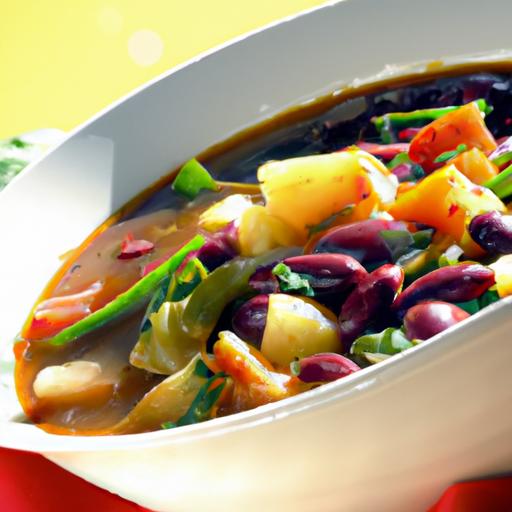




There’s a certain kind of comfort woven into each spoonful of minestrone-a vibrant mosaic of garden-fresh vegetables, tender beans, and hearty pasta, simmered too soul-warming perfection. Minestrone is more than just a soup; it’s a festivity of nature’s bounty, a culinary embrace that transforms simple ingredients into a symphony of flavors and textures. In this article, we’ll explore the magic behind this timeless Italian classic, uncovering how its wholesome blend of garden goodness not only nourishes the body but also captures the spirit of home-cooked warmth and seasonal abundance. Whether you’re a seasoned cook or a curious newcomer, prepare to discover the secrets and stories simmering within every pot of minestrone.
Minestrone magic bursts to life when fresh,seasonal ingredients come together in a vibrant,comforting bowl.This hearty Italian classic is a celebration of garden goodness, where each vegetable sings in harmony with tender beans and delicate pasta, crafting an unforgettable flavor palette.Rooted in tradition yet endlessly adaptable, the secret to elevating your version lies in choosing peak-season produce and masterfully building a broth that warms the soul.
Prep and Cook Time
Readiness: 20 minutes
Cooking: 1 hour 10 minutes
Total Time: 1 hour 30 minutes
Yield
Serves 6 generous bowls
Difficulty Level
Medium – Perfect for home cooks seeking a rewarding, hands-on experience
Ingredients
- 3 tbsp extra-virgin olive oil
- 1 medium yellow onion, finely diced
- 3 cloves garlic, minced
- 2 medium carrots, peeled and diced
- 2 celery stalks, diced
- 1 medium zucchini, diced
- 1 cup green beans, trimmed and cut into 1-inch pieces
- 1 medium ripe tomato, peeled and chopped
- 1 can (14 oz) cannellini beans, drained and rinsed
- 6 cups homemade vegetable broth or low-sodium store-bought
- ½ cup small pasta shapes (ditalini or elbow macaroni)
- 1 tsp dried thyme
- 1 tsp dried oregano
- Salt and freshly ground black pepper, to taste
- 2 cups fresh baby spinach, roughly chopped
- Freshly grated Parmesan cheese, for garnish (optional)
- Fresh basil leaves, torn (optional garnish)
Instructions
- Heat the olive oil in a large heavy-bottomed pot over medium heat. Add the diced onion and sauté until translucent, about 4-5 minutes, stirring frequently to prevent browning.
- Add the minced garlic, diced carrots, and celery. Sauté until vegetables soften and aromas develop, about 6-7 minutes. Stir often to keep the flavors bright and prevent sticking.
- Stir in the diced zucchini, green beans, and chopped tomato. cook, stirring occasionally, until the tomatoes break down and the mixture thickens, about 8 minutes.
- Pour in the vegetable broth and bring to a gentle boil. Add the dried thyme, oregano, and salt and pepper to taste. Reduce heat and simmer, uncovered, for 30 minutes.This slow simmer extracts flavor, creating a broth rich with garden freshness.
- While the soup simmers, rinse the cannellini beans thoroughly. add them to the pot along with the small pasta shapes, stirring to combine. Continue cooking until the pasta is al dente, about 10 minutes.
- Just before turning off the heat, stir in the fresh baby spinach. Allow it to wilt gently in the residual heat, preserving its bright color and delicate texture.
- Adjust seasoning if needed. Ladle into warm bowls and garnish with freshly grated Parmesan and torn basil for an extra burst of flavor and vibrancy.
Tips for Success
- Freshness is key: Use the best seasonal vegetables available. Summer zucchinis,spring green beans,or fall carrots all bring unique notes to your minestrone magic.
- Broth base: Homemade vegetable broth adds nuanced depth, but a quality store-bought broth can work well.For richer flavor, consider roasting vegetable scraps first.
- Pasta timing: Add your pasta last to avoid overcooking or breaking down the pasta into mush.
- Make-ahead tip: Minestrone magic often tastes better the next day after the flavors marry. Store separately from pasta if planning to reheat later.
- Variations: Swap cannellini for kidney or chickpeas, and try different small pasta shapes like orzo or fregola for variety in texture.
Serving Suggestions
This rustic soup shines brightest when served in deep, wide bowls, perfect for showcasing its vibrant, colorful mosaic of vegetables and beans. pair with a crusty, toasted garlic bread or a drizzle of high-quality olive oil for added richness. Finish each bowl with a sprinkle of fresh Parmesan and torn basil leaves, inviting both aroma and an appealing contrast of green hues against the warm, earthy stew.

| Nutrient | Amount per Serving |
|---|---|
| Calories | 210 kcal |
| Protein | 10 g |
| Carbohydrates | 32 g |
| Fat | 5 g |
For deeper insights into crafting nutritious and vibrant vegetable broths, visit the epicurious vegetable broth guide.Also, explore our related article on fresh vegetable soups to expand your seasonal cooking repertoire.
Q&A
Q&A: Minestrone Magic - A Hearty Blend of Garden goodness
Q1: What makes minestrone soup so special compared to other soups?
A1: Minestrone is like a vibrant garden in a bowl-it’s a celebration of seasonal vegetables, hearty beans, and tender pasta or rice all simmered together in a rich, savory broth. Unlike soups with a single star ingredient, minestrone’s charm lies in its colorful, ever-changing medley of wholesome garden goodness that nourishes both body and soul.
Q2: Where did minestrone originate and how has it evolved over time?
A2: Minestrone’s roots trace back to Italy’s rustic kitchens, where peasants crafted nourishing meals from whatever the earth offered. Traditionally a thick vegetable soup, it has evolved into countless regional variations, each reflecting local produce and seasonal shifts. from Liguria’s pesto-infused twists to Tuscany’s bean-heavy stews, minestrone is a timeless testament to simplicity and sustainability.
Q3: What vegetables are typically featured in minestrone?
A3: Think of a rainbow of garden treasures: tender carrots, crisp celery, plump tomatoes, vibrant green beans, leafy spinach, and creamy zucchini often join forces. The beauty of minestrone is its flexibility-whatever fresh vegetables you have on hand can shine, making it a tasty way to use up your garden’s bounty or fridge’s odds and ends.
Q4: How can one balance flavors to create the perfect minestrone?
A4: The secret is layering: start with sautéed aromatics like onion, garlic, and celery to build a fragrant base. Add vegetables in stages so each cooks to tender perfection, then introduce broth infused with herbs like thyme, rosemary, or bay leaf for complexity. A splash of acidity from tomatoes or a squeeze of lemon brightens the pot, while a sprinkle of Parmesan rind during simmering imparts a rich umami depth.
Q5: Is minestrone suitable for special diets?
A5: Absolutely! Minestrone is naturally vegetarian and vegan-pleasant when made without cheese or meat broth. It’s also easily gluten-free if you swap pasta for grains like quinoa or leave it out altogether. Plus,it’s packed with fiber,vitamins,and minerals-making it a wholesome choice for anyone seeking comfort with a nutritional boost.
Q6: Any tips for storing and reheating minestrone?
A6: Minestrone tastes even better the next day, as the flavors meld and deepen. Store leftovers in an airtight container in the fridge for up to 4 days, or freeze in portions for up to 3 months. When reheating, add a splash of water or broth to keep it luscious and stir gently over medium heat to rediscover that garden magic.Q7: How can one personalize their minestrone to make it a magical meal?
A7: Personalization is the heart of minestrone’s magic! Consider stirring in fresh herbs like basil or parsley at the end, tossing in a handful of kale or swiss chard for extra greens, or adding a drizzle of high-quality olive oil for richness. For a protein punch,a spoonful of cooked beans or shredded chicken blends seamlessly into the hearty tableau.
Dive into your pot of minestrone and savor the wholesome magic that turns humble garden ingredients into a soul-warming feast!
Closing Remarks
as the final spoonful warms your soul, it’s clear that minestrone is more than just a soup-it’s a celebration of the garden’s bounty, simmered into a hearty melody of flavors and textures. Whether crafted from fresh-picked vegetables or pantry staples, this versatile dish invites creativity and comfort in every bowl. So next time you crave a meal that nourishes both body and spirit, remember the magic of minestrone-a timeless blend of garden goodness that transforms humble ingredients into culinary harmony.