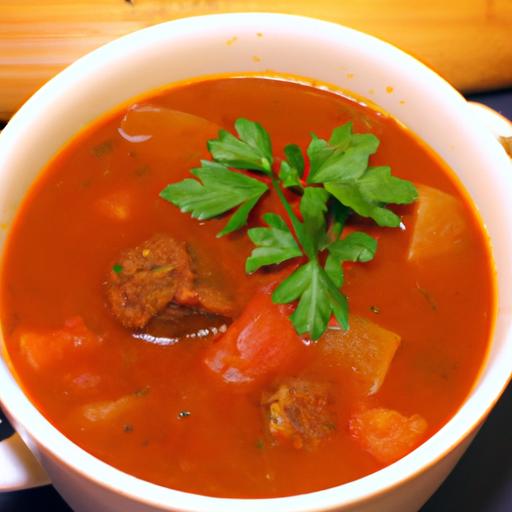


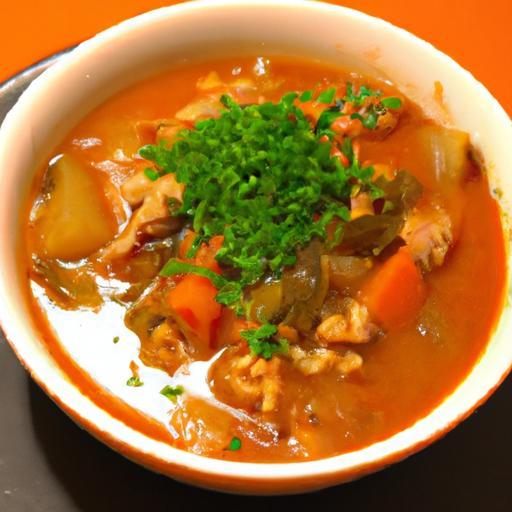
Steeped in history and bursting with robust flavors, Hungarian goulash soup stands as a culinary treasure that tells the story of a nation’s heart and hearth.More than just a dish, goulash is a vibrant tapestry of smoky paprika, tender meats, and earthy vegetables, simmered slowly to perfection-inviting you to savor every spoonful of tradition.From rustic village kitchens to modern dining tables, this iconic soup has warmed generations, embodying Hungary’s rich cultural heritage and love for flavorful, comforting fare.Join us as we dive into the origins, ingredients, and timeless appeal of this beloved Hungarian classic, and discover why goulash soup continues to delight palates around the world.
Savor the Rich Tradition of Hungarian Goulash Soup Delight is more than just a hearty meal; it is a culinary journey deep into the soul of Hungary. Passed down through generations, this iconic dish embodies the rustic charm and vibrant flavors of rural Hungarian kitchens, marrying tender chunks of beef, fragrant paprika, and slow-cooked goodness into a soul-warming broth. Whether enjoyed on a crisp autumn evening or as a comforting meal after a long day, Hungarian goulash soup brings a rich cultural heritage right to your table.
Prep and Cook Time
- Preparation: 20 minutes
- Cooking: 2 hours 15 minutes
- Total Time: 2 hours 35 minutes
Yield
Serves 6 hearty portions
Difficulty Level
Medium – Ideal for cooks familiar with stovetop simmering and flavor layering.
Key Ingredients That Define Authentic Flavor
- 2 lbs beef chuck, cut into 1-inch cubes
- 2 large onions, finely chopped
- 3 tablespoons Hungarian sweet paprika (preferably freshly ground)
- 4 cloves garlic, minced
- 2 medium carrots, sliced
- 2 medium potatoes, peeled and diced
- 1 red bell pepper, chopped
- 1 tablespoon tomato paste
- 6 cups beef broth
- 2 tablespoons vegetable oil or lard
- 1 teaspoon caraway seeds
- Salt and freshly ground black pepper, to taste
- 1 bay leaf
- Chopped fresh parsley, for garnish
Mastering the Perfect Simmer for Deep Richness
- Heat the oil in a heavy-bottomed pot over medium heat. Add the onions and sauté until golden brown, about 8-10 minutes, stirring occasionally to coax out their natural sweetness.
- Stir in the garlic and cook for 1 minute until fragrant.
- Remove the pot from heat and sprinkle the paprika evenly over the onions and garlic. This crucial step ensures the paprika’s flavor doesn’t scorch, which would add bitterness.
- Return the pot to the stove and add the beef cubes, tossing them with the paprika-coated mixture until well combined.
- Pour in the beef broth and add the bay leaf and caraway seeds. Bring to a gentle boil, then reduce heat to maintain a slow simmer.
- Cover partially and cook for 1.5 hours, stirring occasionally to prevent sticking, until the beef becomes tender and the flavors meld beautifully.
- Add the carrots, potatoes, and red bell pepper. Stir in the tomato paste and season with salt and pepper.
- Simmer uncovered for another 30-45 minutes, letting the vegetables soften and the broth thicken to a luscious consistency.
- adjust seasoning to taste and remove the bay leaf before serving.
Chef’s Notes and tips for Success
- For authentic depth, use Hungarian sweet paprika; it significantly defines the soup’s character.
- If you prefer a thicker soup, mash a few of the potatoes into the broth or sprinkle a light dusting of flour after browning the onions.
- Substitute beef chuck with veal or lamb for a different take, keeping cooking times similar.
- Make this goulash soup ahead of time-the flavors only improve after resting refrigerated overnight.
- Use a heavy pot or Dutch oven to distribute heat evenly, which helps develop that rich, deep flavor profile.
serving Suggestions to Elevate Your Goulash Experience
Serve piping hot, garnished generously with fresh parsley to add a burst of color and freshness. Offer crusty artisan bread or customary nokedli dumplings on the side to soak up every drop of the vibrant broth.
For a decadent touch,add a dollop of sour cream atop each bowl-its cool creaminess balances the paprika’s warmth perfectly.This dish also pairs beautifully with a dry Hungarian red wine such as Egri Bikavér, enhancing the entire dining experience.

| Nutrient | Per Serving |
|---|---|
| Calories | 350 kcal |
| Protein | 32 g |
| Carbohydrates | 20 g |
| Fat | 15 g |
For more traditional Hungarian recipes and flavor tips, explore our detailed guide to Hungarian Chicken Paprikash. For further reading on the cultural richness behind this dish, check the Encyclopedia Britannica on Goulash.
Q&A
Q&A: Savor the Rich Tradition of Hungarian Goulash Soup Delight
Q1: What makes Hungarian Goulash Soup so special compared to other soups?
A1: Hungarian Goulash Soup is a heartwarming symphony of flavors that captures the essence of Hungary’s rich culinary heritage. Unlike typical soups, it blends tender beef, smoky paprika, and a medley of fresh vegetables into a robust, deeply aromatic broth. This isn’t just a meal-it’s a story simmered in a pot, reflecting centuries of tradition and regional pride.
Q2: What are the key ingredients that define authentic Hungarian Goulash Soup?
A2: The soul of Hungarian Goulash lies in its simple yet powerful ingredients: quality beef chuck or shank, generous Hungarian paprika (the fiery red treasure), onions, garlic, caraway seeds, and a splash of tomatoes or bell peppers.Potatoes often join the cast, soaking up the flavors while adding hearty substance. Each element plays a crucial role in creating that iconic rosy, spicy base.
Q3: how did Hungarian Goulash Soup originate?
A3: This iconic dish traces its roots back to the 9th century, when Hungarian herdsmen-known as “gulyás”-cooked hearty meat stews over open fires while tending cattle. originally a simple, practical meal, it evolved over centuries, enriched by local spices and farming traditions, transforming into the beloved national dish we savor today.Q4: Can Hungarian Goulash soup be adapted for modern cooks or dietary needs?
A4: Absolutely! While the classic recipe shines in its traditional form, modern variations accommodate diverse tastes and lifestyles.You can swap beef for tender chicken or vegetables for a lighter twist.For gluten-free dining, simply omit noodles or bread accompaniments. Just remember-the magic lies in sustaining that paprika-rich broth that defines its soul.
Q5: How should I best enjoy Hungarian goulash soup to experience its full tradition?
A5: Serve it bubbling hot, accompanied by rustic Hungarian bread or buttery egg noodles to soak up every drop. Pairing with a glass of robust red wine or a refreshing Hungarian beer elevates the experience. Sit down with friends or family to share this communal feast-after all, goulash is as much about connection as it is about cuisine.
Q6: Why is paprika so essential to Hungarian Goulash Soup?
A6: Paprika isn’t just a spice in Hungary; it’s a national treasure. This vibrant red powder is responsible for the soup’s distinct smoky warmth and striking hue. It infuses the broth with nuanced flavors ranging from sweet and mild to bold and spicy, depending on the variety used. Without paprika, goulash would lose its signature heart and soul.
Q7: What cultural meaning does Hungarian Goulash hold today?
A7: Beyond its delicious taste,Hungarian Goulash Soup is a symbol of national identity-a culinary ambassador of Hungary’s history,resilience,and communal spirit.It’s featured in festivals, family gatherings, and kitchens across the country, uniting generations through a shared love of hearty, comforting food steeped in tradition.
Embark on your own journey-stir the pot, savor the spices, and taste the rich legacy of Hungarian Goulash Soup, where every spoonful tells a story.
To Wrap It Up
As the hearty aroma of Hungarian goulash soup lingers in the air, it invites more than just a meal-it welcomes you into a vibrant tapestry of history, culture, and comfort. Each spoonful tells a story of generations who perfected this rich, paprika-kissed delight, blending rustic simplicity with bold flavors. Whether enjoyed by a crackling hearth or a bustling city kitchen, goulash remains a timeless testament to Hungary’s culinary soul. So next time you savor this savory masterpiece, remember you’re not just tasting a soup-you’re partaking in a cherished tradition that has warmed hearts and tables for centuries.