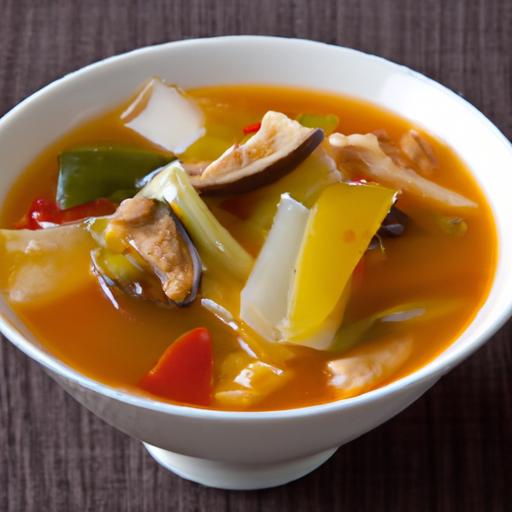


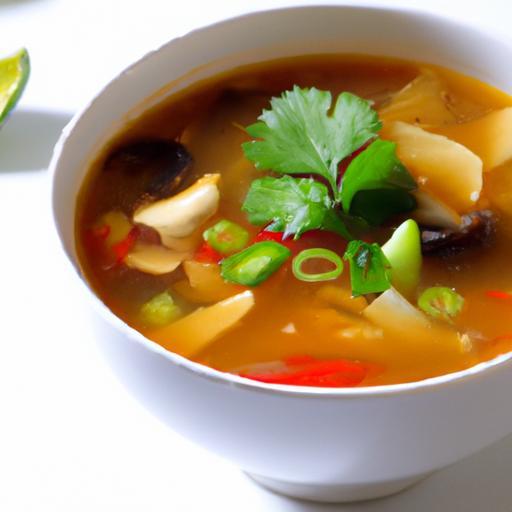
In the bustling kitchens of China, where every aroma tells a story and every dish is a chapter of rich heritage, few soups capture the creativity quiet like hot and sour soup. A harmonious dance of tangy zest and warming spice, this beloved concoction has warmed hearts and tantalized taste buds for centuries. Beyond its bold flavors lies a culinary tradition steeped in culture, history, and artistry-a tradition that beckons food lovers to savor each spoonful not just as a meal, but as an experience. join us as we unravel the enticing secrets and timeless appeal of Chinese hot and sour soup, a tangy tradition unveiled.
Savoring Chinese Hot and Sour Soup instantly transports you to bustling street markets and cozy family gatherings, where this tangy and spicy broth has held a cherished place for centuries. Rooted in traditional Chinese cuisine, this soup is a harmonious dance of bold flavors and soothing warmth, originally crafted to invigorate the palate and comfort the soul during cool weather. Its perfect balance of sourness, spice, and umami reflects a culinary wisdom passed down through generations, making it much more than just a soup – its a celebration of cultural heritage and the artistry of Chinese cookery.
Prep and Cook Time
- Preparation: 15 minutes
- Cooking: 20 minutes
- Total Time: 35 minutes
Yield
- Serves 4 generously
Difficulty Level
- Medium – accessible for home cooks ready to explore authentic flavors with confidence
Ingredients
- 6 cups chicken or vegetable broth, preferably homemade or low-sodium
- 1 cup shredded cooked chicken breast (optional for vegetarian version)
- ½ cup firm tofu, cut into small cubes
- ¼ cup dried shiitake mushrooms, soaked and sliced
- 3 tablespoons bamboo shoots, thinly sliced
- 2 tablespoons white vinegar (adjust for tanginess)
- 2 tablespoons soy sauce
- 1 teaspoon chili garlic sauce or freshly ground white pepper (for authentic spice)
- 2 tablespoons cornstarch mixed with 4 tablespoons cold water (slurry)
- 2 large eggs, lightly beaten
- 2 teaspoons toasted sesame oil
- 3 cloves garlic, minced
- 1 teaspoon grated fresh ginger
- 2 stalks green onions, thinly sliced (for garnish)
- Fresh coriander leaves (optional garnish)
Instructions
- prepare the broth base: In a large pot, heat the toasted sesame oil over medium heat. Add minced garlic and grated ginger, sautéing until fragrant, about 1 minute.
- simmer mushrooms and bamboo shoots: Add soaked shiitake mushrooms and sliced bamboo shoots to the pot. Pour in the chicken or vegetable broth. Bring the mixture to a gentle boil, then reduce heat and let it simmer for 8-10 minutes to deepen the flavors.
- Build the flavor profile: stir in soy sauce and white vinegar. Adjust vinegar quantity according to your preferred tanginess level. Add chili garlic sauce or freshly ground white pepper for the signature heat. Taste and tweak accordingly.
- Add tofu and chicken: Gently fold in cubed tofu and shredded chicken if using. Allow the soup to reheat through without boiling vigorously to avoid breaking the tofu.
- Thicken the soup: slowly pour in the prepared cornstarch slurry while stirring gently. Cook for about 2 minutes until the broth thickens to a velvety consistency.
- Swirl in eggs: Reduce heat to low. Drizzle the lightly beaten eggs into the soup in a thin stream while stirring gently to create delicate ribbons of cooked egg, adding texture and visual appeal.
- finish and serve: Turn off the heat and drizzle a few drops of extra sesame oil for fragrance. Ladle the hot soup into bowls, garnish with sliced green onions and fresh coriander leaves to brighten the plate.
tips for Success
- For a vegetarian variant, substitute chicken broth with rich mushroom or vegetable broth and omit the chicken. Add more shiitake or wood ear mushrooms for meatiness.
- Balance is key: adjust the vinegar and spice carefully to achieve that characteristic hot and sour harmony without overpowering each ingredient.
- Use fresh white pepper rather of black pepper for traditional heat and aroma associated with authentic recipes.
- Make the soup ahead of time and reheat gently; the flavors only deepen with resting, but add the eggs fresh when serving for the best texture.
- If your soup is too thick, add a splash of broth to loosen - it should be pleasantly velvety, never gloopy.
Serving Suggestions
Present this vibrant soup in deep bowls to showcase its rich broth and colorful garnishes. Pair it with steamed jasmine rice or light dim sum for a complete meal. A crisp cucumber salad with a light soy vinaigrette complements the warmth and spice perfectly. For an authentic touch, serve alongside traditional Chinese dumplings to amplify the cultural feast.

| Nutrient | Amount per Serving | Notes |
|---|---|---|
| Calories | 150 kcal | Light yet satisfying |
| Protein | 12 g | From chicken and tofu |
| Carbohydrates | 10 g | Primarily from vegetables and cornstarch |
| Fat | 6 g | From sesame oil and broth |
Explore more authentic recipes for a full Chinese culinary experience by visiting the Serious Eats guide to hot and Sour Soup, a trusted resource delving into this soup’s rich history and variations.
Q&A
Q&A: Savoring Chinese Hot and Sour Soup: A Tangy Tradition Unveiled
Q1: What makes Hot and Sour Soup a distinctive dish in Chinese cuisine?
A1: Hot and Sour Soup is a culinary symphony where bold flavors converge-spicy heat meets tangy vinegar, balanced with a soothing umami richness. This savory concoction isn’t just soup; it’s a sensory experience that awakens the palate with every spoonful, embodying Chinese culinary beliefs of harmony and contrast.
Q2: Where did Hot and sour Soup originate?
A2: Hot and sour Soup has deep roots in Chinese culinary history, with origins tracing back to the Sichuan province, famed for its love of bold spices and dynamic flavors. Over centuries, this soup journeyed through regional adaptations, each adding unique local ingredients while preserving its signature tang and spice.Q3: What are the key ingredients that create its iconic flavor?
A3: The soul of Hot and Sour Soup lies in a careful balance: black vinegar lends its bright tanginess, white pepper delivers a sharp, warm heat, and soy sauce adds depth. Textural elements like tofu, bamboo shoots, wood ear mushrooms, and sometimes pork or egg ribbons give body and bite, making each spoonful delightful in both taste and texture.
Q4: How is the balance of “hot” and “sour” achieved without overpowering the dish?
A4: Achieving the perfect balance is an art. Chefs masterfully adjust the intensity of vinegar and pepper, often finishing the soup with a touch of sesame oil and a sprinkle of scallions. The goal is a lively dance on the tongue-vibrant acidity meeting just-right spice-not a fiery punch or overwhelming sourness.
Q5: Are there variations of Hot and Sour Soup across different regions?
A5: Absolutely! While sichuan style is famously fiery, northern Chinese versions tend to be milder, sometimes thicker and less spicy, focusing more on sour elements. In southern regions, sweeter notes might creep in, and in overseas Chinese communities, adaptations reflect local tastes and ingredient availability, making the dish wonderfully versatile.
Q6: What cultural meaning does Hot and Sour Soup hold?
A6: Beyond its flavor, Hot and Sour Soup symbolizes balance and wellness. Traditionally served to stimulate the appetite and aid digestion, it’s a warming comfort during cold seasons and a staple at celebratory banquets and family gatherings, reflecting a shared heritage of nourishment and conviviality.
Q7: How can home cooks recreate a restaurant-quality Hot and Sour Soup?
A7: Start with high-quality black vinegar and fresh ingredients. Don’t rush the broth-allow the flavors to meld and deepen. Taste frequently, adjusting vinegar and pepper to personal preference. Incorporating a silky beaten egg swirl adds elegance. With patience and care, your kitchen can yield a bowl that transports you to the heart of China’s rich culinary tradition.
Q8: What are some modern twists on this classic soup?
A8: Contemporary chefs experiment by infusing it with exotic mushrooms, adding a hint of chili oil for layered heat, or even creating vegan versions with plant-based proteins. Fusion versions may incorporate elements from other cuisines, such as lemongrass or coconut milk, creating innovative renditions that honor tradition while embracing global creativity.
Savoring Hot and Sour Soup is more than tasting a dish-it’s immersing in a flavorful legacy where every tangy sip tells a story of culture, craft, and culinary passion. Whether you’re a curious foodie or a seasoned soup lover, this tangy tradition invites you to explore and enjoy a timeless Chinese classic.
Wrapping Up
As the final steamy spoonful of hot and sour soup warms your palate, you’ve not only savored a dish but also dipped into centuries of Chinese culinary tradition. This tangy, spicy harmony of flavors isn’t just a meal-it’s a story steeped in history, culture, and a celebration of balance. Whether enjoyed in a bustling street market or your cozy kitchen, hot and sour soup invites you to experience a timeless dance of tastes that continues to enchant and comfort. So next time you lift that bowl, remember: you’re sipping on a vibrant legacy, one flavorful slurp at a time.