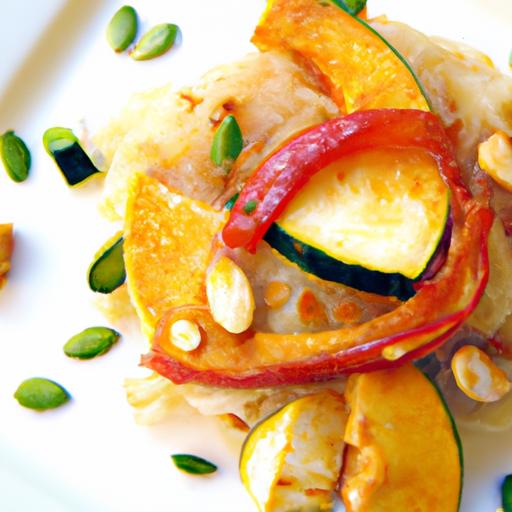

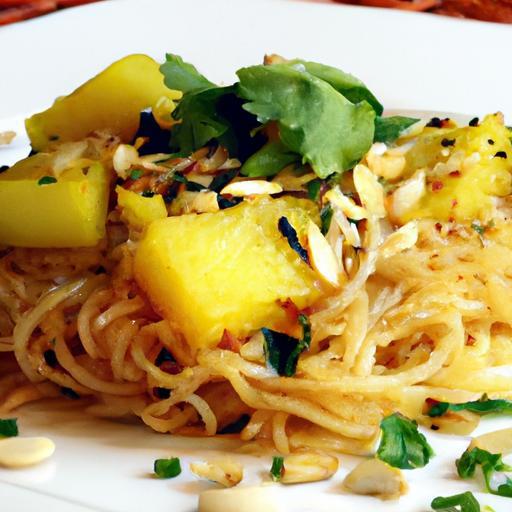
When it comes to reinventing beloved dishes, few transformations excite the palate like turning a classic into something both familiar and refreshingly new. Enter Spaghetti Squash Pad Thai-a vibrant fusion that marries the traditional, tangy flavors of thailand’s iconic street food with the light, nutritious charm of spaghetti squash. This inventive twist not only offers a lower-carb choice but also invites a burst of color and texture that elevates the dining experience. Weather you’re a devoted Pad Thai fan or simply eager to explore creative, wholesome meals, this recipe promises a delightful balance of sweet, savory, and crunchy elements that breathe new life into a timeless favorite.
Spaghetti Squash Pad Thai brings a vibrant, nutritious twist to the beloved traditional Thai dish, offering a lower-carb and gluten-free alternative that bursts with fresh flavors and textures. Originating from Thailand, classic Pad Thai is famed for its harmonious balance of sweet, tangy, and savory notes. By substituting rice noodles with naturally stringy spaghetti squash, this recipe delivers a delightful crunch and subtle sweetness, making it perfect for those seeking wholesome comfort food without sacrificing flavor.
Prep and Cook Time
- Readiness: 15 minutes
- Cooking: 30 minutes
- total Time: 45 minutes
Yield
Serves 4 generous portions
Difficulty Level
Easy to Medium – Ideal for home cooks looking to experiment with healthy substitutions while preserving authentic Pad Thai flavors.
Ingredients
- 1 medium spaghetti squash (about 3 pounds)
- 2 tablespoons vegetable oil or peanut oil
- 2 cloves garlic, minced
- 1 cup cooked shrimp (or chicken or tofu for a vegetarian option)
- 2 large eggs, lightly beaten
- 3 green onions, sliced thinly
- 1 cup bean sprouts, rinsed and drained
- 1/4 cup roasted peanuts, crushed
- 1 small carrot, julienned
- Fresh cilantro for garnish
- 1 lime, cut into wedges
For the tangy Pad Thai Sauce
- 3 tablespoons tamarind paste
- 2 tablespoons fish sauce
- 1 tablespoon soy sauce or coconut aminos (for gluten-free)
- 2 tablespoons palm sugar or brown sugar
- 1 tablespoon rice vinegar
- 1 teaspoon chili garlic sauce, adjust to taste
- 2 tablespoons water
Instructions
- Prepare the spaghetti squash: Preheat oven to 400°F (200°C). Slice the squash in half lengthwise and scoop out the seeds.Place cut-side down on a baking sheet lined with parchment paper. Roast for 30 minutes until tender but still firm. Once cooled, use a fork to shred the flesh into noodle-like strands. set aside.
- make the Pad Thai sauce: In a small bowl, whisk together tamarind paste, fish sauce, soy sauce, palm sugar, rice vinegar, chili garlic sauce, and water until sugar dissolves. adjust seasoning for a perfect tangy, sweet-salty balance.
- Sauté aromatics and protein: heat 1 tablespoon of oil in a large skillet or wok over medium-high heat. Add minced garlic and cook until fragrant, about 30 seconds. Add shrimp (or preferred protein) and cook until opaque and just cooked through, about 3 minutes. Remove protein and set aside.
- Cook eggs: Add remaining oil to the skillet. Pour in beaten eggs and scramble gently until just set, about 2 minutes.
- toss in noodles and sauce: Add spaghetti squash strands to the pan, pour the Pad Thai sauce over, and toss to coat evenly. Cook for 3-5 minutes, stirring frequently, allowing the sauce to infuse the squash.
- Combine and finish: Return shrimp to the pan along with green onions, julienned carrot, and bean sprouts. Toss briefly to combine and warm through without overcooking the veggies to maintain fresh texture.
- Plate and garnish: Serve instantly, topped with crushed peanuts, fresh cilantro, and lime wedges for squeezing over the bowl. The citrus zest brightens the dish wonderfully.
Tips for Success
- Selecting squash: Choose a firm, unblemished spaghetti squash for the best texture. A slightly smaller squash tends to have sweeter flesh.
- Sauce balance: Taste and adjust the sauce before adding: tamarind offers acidity, palm sugar adds the ideal sweetness, while fish sauce lends depth. For vegetarian variation, replace fish sauce with tamari.
- make-ahead: Roast and shred spaghetti squash up to two days in advance. Keep refrigerated in an airtight container.
- Texture matters: Avoid overcooking the squash strands to preserve that authentic ‘noodle’ bite.
- protein swaps: Shrimp is classic, but chicken, firm tofu, or even tempeh work beautifully and add variety.
Serving Suggestions
Present your spaghetti squash Pad Thai on vibrant plates to highlight its colorful garnishes. Offer additional lime wedges and chili flakes on the side for guests craving extra zing or heat.Pair with a refreshing Thai iced tea or a crisp Riesling to complement the bright, tangy flavors. For a light appetizer, serve crunchy vegetable spring rolls or a simple papaya salad alongside for a luscious, layered meal.
| Nutrient | Per Serving |
|---|---|
| Calories | 320 kcal |
| Protein | 22 g |
| Carbohydrates | 25 g |
| Fat | 12 g |

Q&A
Q&A: Spaghetti Squash Pad Thai – A Fresh Twist on a Classic Favorite
Q1: What exactly is Spaghetti Squash Pad Thai?
A1: Spaghetti Squash Pad Thai is a vibrant, health-conscious twist on the beloved Thai stir-fried noodle dish.Instead of traditional rice noodles, tender strands of roasted spaghetti squash create a lighter, gluten-free base that still delivers that iconic Pad Thai flavor punch.
Q2: Why use spaghetti squash instead of rice noodles?
A2: Spaghetti squash offers a delightful texture that mimics noodles but with fewer carbs and more fiber. it’s naturally low in calories and packed with vitamins A and C, making it a nutrient-rich alternative that’s perfect for those seeking a fresh, wholesome take on a comfort classic.
Q3: Does the flavor change with spaghetti squash?
A3: While spaghetti squash has a subtly sweet, nutty taste, it’s the bold Pad Thai sauce-tamarind, fish sauce, lime, and palm sugar-that stars here. The squash absorbs these flavors beautifully,ensuring you get all the tangy,savory satisfaction with an unexpected twist.
Q4: What are some key ingredients in this recipe?
A4: Beyond the signature Pad Thai sauce, expect crunchy peanuts, fresh bean sprouts, green onions, scrambled eggs, and a generous sprinkle of cilantro. Optional protein choices like shrimp, tofu, or chicken can round it out perfectly.
Q5: Is Spaghetti Squash Pad Thai easy to prepare?
A5: Absolutely! Once the squash is roasted and “noodled,” the dish comes together quickly in a single skillet or wok. It’s a fantastic weeknight meal that brings restaurant flavors home without the fuss.
Q6: Can this dish be adapted for dietary restrictions?
A6: Yes! This recipe is naturally gluten-free thanks to the squash,and you can easily make it vegan by substituting tofu for animal proteins and using tamari instead of fish sauce. The versatility makes it a crowd-pleaser for many dietary needs.
Q7: How can someone elevate their spaghetti Squash Pad Thai experience?
A7: Fresh lime wedges, extra crushed peanuts, and a dash of chili flakes can add brightness, crunch, and heat. Garnish with fresh herbs like Thai basil or mint to amplify the fresh, vibrant vibe of this reinvented classic.
Q8: Why is Spaghetti Squash Pad Thai a good choice for food adventurers?
A8: It marries familiarity with creativity-honoring the essence of Pad Thai while inviting you to explore new textures and nutritional benefits. It’s a playful way to reinvent a favorite, keeping your taste buds intrigued and your plate colorful.
To wrap It Up
Whether you’re a longtime Pad Thai devotee or simply seeking a lighter, veggie-packed alternative, spaghetti squash offers a vibrant new canvas for this beloved dish. Its delicate strands perfectly soak up the tangy, savory sauce, delivering all the familiar flavors with a fresh, wholesome twist. Embracing spaghetti squash not only reimagines a classic favorite but also invites you to explore the endless possibilities of nutritious, creative cooking. So next time you crave Pad Thai, give this colorful, guilt-free spin a try-you might just discover your new go-to comfort food.