There’s something undeniably comforting about the warm, golden embrace of French toast-a timeless breakfast staple that has graced tables for centuries. Yet, beyond its simple, nostalgic appeal lies a world of culinary creativity waiting to be explored. “The Art of French Toast: A Classic Breakfast Reinvented” delves into how this beloved dish has evolved from humble beginnings into a canvas for bold flavors,innovative techniques,and stunning presentations. Join us as we uncover the secrets behind achieving the perfect custardy centre, explore unexpected ingredient pairings, and celebrate the endless possibilities that transform traditional French toast into a gourmet experience fit for any morning-or anytime at all.
French toast is a beloved breakfast classic, but achieving that perfect balance of fluffy and flavorful French toast requires more than just dipping bread in eggs. It’s an art form that hinges on thoughtful choices, from the bread itself to the custard’s richness and the final touch of creative toppings. Whether you’re revamping a weekend brunch or elevating weekday mornings, mastering these techniques ensures your French toast is always a standout dish that delights every palate.
Prep and Cook Time
- Preparation: 15 minutes
- Cooking: 10-15 minutes
- total Time: 30 minutes
Yield
- Serves 4 (2 slices per person)
Difficulty Level
- Easy to Medium
Ingredients
- 8 slices thick-cut brioche or challah bread, day-old for best absorption
- 4 large eggs, room temperature
- 1 cup whole milk, or half-and-half for extra creaminess
- 2 tbsp pure maple syrup or honey
- 1 tsp pure vanilla extract
- 1 tsp ground cinnamon
- 1/4 tsp freshly grated nutmeg
- 1/4 tsp fine sea salt
- 2 tbsp unsalted butter, for cooking
Instructions
- Choose your bread wisely. Thick-cut brioche or challah are ideal because they soak up the custard without falling apart. Letting the bread sit out overnight slightly dries it, enhancing absorption.
- Prepare the custard mix. In a wide, shallow bowl, whisk together eggs, milk, maple syrup, vanilla extract, cinnamon, nutmeg, and salt until fully blended and frothy. This creates a rich and creamy base for the toast.
- Preheat your pan or griddle. Medium heat is key to achieving a golden brown crust without burning the exterior or undercooking the center.
- Soak the bread slices. Dunk each slice into the custard,allowing it to soak for 20-30 seconds on each side. Don’t over-soak,or the bread will become mushy and hard to handle.
- Sauté the slices. Melt 1 tablespoon of unsalted butter in the pan. Place soaked slices and cook for approximately 3-4 minutes per side until the crust turns golden and slightly crisp.adjust heat as needed to avoid scorching.
- Keep warm and repeat. Move finished slices to a warm oven at low temperature to keep crisp while cooking remaining bread, adding more butter as necessary.
Tips for Success
- Experiment with bread varieties. Rustic sourdough or cinnamon swirl loaf can offer unique flavors, but watch soaking time as denser breads absorb liquids differently.
- for a dairy-free custard, substitute almond or oat milk; add a tablespoon of melted coconut oil in place of butter.
- If your French toast feels dry inside, increase the milk or half-and-half content slightly for more moisture without diluting flavors.
- Make ahead: Custard can be prepared and refrigerated overnight, and bread can be soaked just before cooking to save time on busy mornings.
serving Suggestions
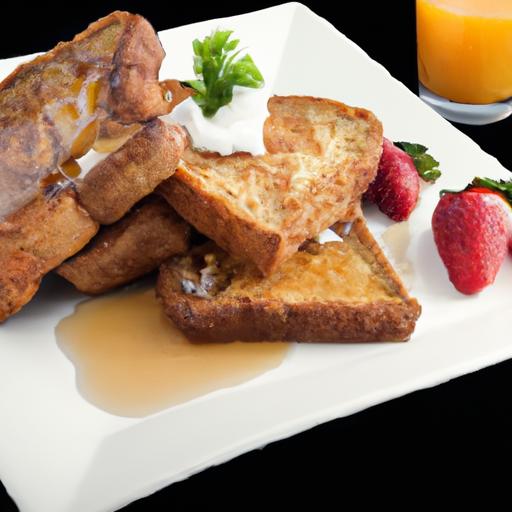
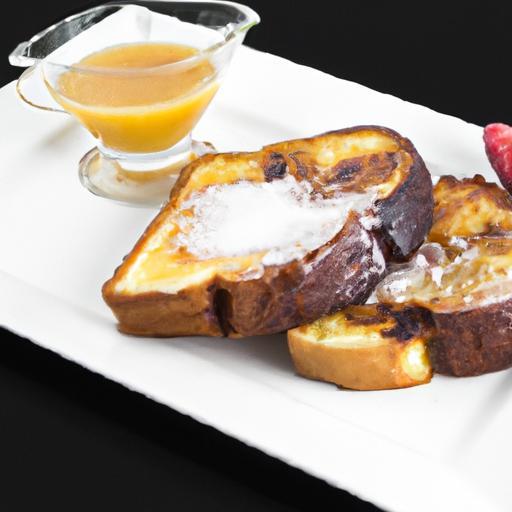
French toast reaches new heights with creative toppings. Fresh berries and a dusting of powdered sugar add brightness, while toasted pecans bring crunch. For a decadent touch, drizzle pure maple syrup and a dollop of whipped cream or mascarpone cheese. Try layering with sliced bananas and a sprinkle of flaky sea salt for a surprisingly sophisticated sweet-savory interplay.
for a vibrant presentation, garnish with edible flowers, chopped mint leaves, or a citrus zest twist-each elevates your plate beyond the ordinary and makes every bite a feast for the eyes and also the taste buds.

| Nutrient | Per Serving |
|---|---|
| Calories | 320 kcal |
| Protein | 10 g |
| Carbohydrates | 35 g |
| Fat | 14 g |
Ready to explore even more delightful breakfast classics? Check out our best brunch recipes collection for inspiration. Elevate your mornings with dishes that bring joy and flavor in equal measure.
Q&A
Q&A: The Art of French Toast - A Classic Breakfast Reinvented
Q1: What makes French toast a timeless classic?
A: french toast’s charm lies in its simplicity and versatility. At its core, it’s just bread soaked in an egg-and-milk mixture, then fried to golden perfection. This humble technique creates a canvas that’s crispy on the outside, tender inside, and utterly comforting-a breakfast ritual cherished across cultures and generations.
Q2: How has French toast evolved beyond the traditional recipe?
A: While the classic sticks to cinnamon, vanilla, and powdered sugar, modern iterations have burst into a rainbow of flavors and textures. From brioche soaked in mascarpone custard to savory versions with herbs and cheese, French toast has reinvented itself to surprise the palate-think tropical fruits, nutty drizzles, or even a spicy kick.
Q3: Is there a secret to achieving the perfect French toast?
A: absolutely. The secret is balance. Use slightly stale, sturdy bread that can soak custard without falling apart. Whisk eggs with cream or milk, a pinch of sugar, and your preferred spices. Cook on medium heat to allow a caramelized crust to form while keeping the inside luscious. Patience yields that dreamy texture.
Q4: Can French toast be a healthy breakfast option?
A: It can! Swap white bread for whole grain or gluten-free varieties and use almond or oat milk in the custard. Incorporate fresh fruits,nuts,and a drizzle of natural honey instead of syrup. This elevates French toast into a nourishing,energy-packed meal without sacrificing delight.
Q5: How can someone experiment with French toast at home?
A: Start with the basics, then get playful. Try dipping cinnamon swirl bread in a custard enriched with orange zest or coconut milk. Top with Greek yogurt and pomegranate seeds for a Mediterranean twist. Or flip savory with a custard seasoned with sage and garlic,then serve alongside sautéed mushrooms. The art is in making it your own.
Q6: Why does French toast have such universal appeal?
A: Perhaps it’s the nostalgic aroma of cinnamon mingling with warm butter, or the way it bridges sweet and savory cravings. French toast embodies comfort and creativity together-it’s familiar yet endlessly adaptable. It invites everyone to sit down, savor, and celebrate breakfast, no matter where you are in the world.
In Conclusion
As the final slices of golden, custard-kissed bread disappear from the plate, it’s clear that French toast is far more than a simple breakfast staple-it’s a canvas for creativity, a bridge between tradition and innovation. Whether drizzled with maple syrup, dusted with powdered sugar, or elevated with unexpected spices and vibrant toppings, this timeless dish continues to inspire culinary exploration. So next time you reach for the bread and eggs,remember: in the art of French toast,every bite is an opportunity to savor history while crafting your own flavorful masterpiece.Bon appétit!