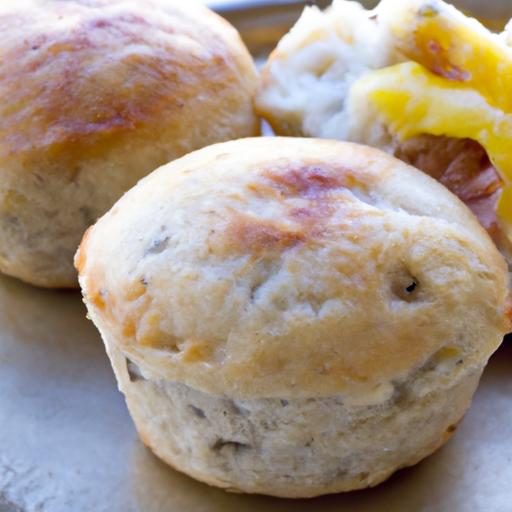

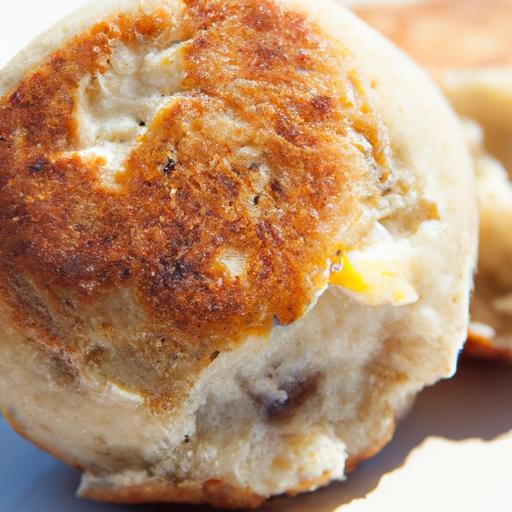
There’s something undeniably comforting about starting the day with a breakfast that feels both hearty and timeless. Enter the English breakfast muffin: a modest yet remarkable staple that has quietly woven itself into the fabric of British culinary tradition. Crisply toasted on the outside, tender and slightly chewy within, these golden rounds serve as the perfect stage for a symphony of breakfast favorites-from rich melted butter and jam to savory eggs and rashers of bacon. In this article, we’ll explore what makes the perfect English breakfast muffins so beloved, uncover their history, and share tips to bring this classic delight into your own morning routine. Whether you’re a seasoned fan or a curious newcomer, prepare to rediscover breakfast in its most satisfying form.
The Perfect English Breakfast Muffins offer a delightful blend of a crisp exterior and a soft, airy interior-an experience that transports you to cozy British mornings. Achieving that iconic nooks-and-crannies texture from scratch is both an art and a rewarding culinary adventure. This recipe celebrates authentic flavor, thoughtful ingredient selection, and mastering toasting techniques that make every bite irresistibly crunchy yet tender.
Prep and Cook Time
Prep Time: 2 hours 15 minutes (includes rising)
Cook Time: 15 minutes
Total Time: 2 hours 30 minutes
Yield
8 English Muffins (serves 4-6)
Difficulty Level
Medium – Ideal for bakers agreeable with yeast doughs
Ingredients
- 1 ¾ cups warm whole milk (110°F/43°C)
- 2 tbsp granulated sugar
- 1 packet (2 ¼ tsp) active dry yeast
- 4 cups all-purpose flour, sifted
- 1 tsp salt
- 2 tbsp unsalted butter, melted and slightly cooled
- Semolina flour or fine cornmeal for dusting
Instructions
- Activate the yeast: In a large mixing bowl, stir warm milk with sugar and yeast. Let sit for 10 minutes until foamy, signaling the yeast is alive and ready.
- Mix the dough: To the yeast mixture, add melted butter and half of the flour, mixing with a wooden spoon until combined. Gradually add the rest of the flour and salt, stirring until a shaggy dough forms.
- knead the dough: Turn dough onto a floured surface. Knead vigorously for 8-10 minutes until silky, elastic, and slightly sticky. A well-kneaded dough yields the ideal chewy crumb texture.
- First proof: Place dough in a lightly oiled bowl, cover with a damp towel or plastic wrap, and let rise in a warm spot for 1 to 1.5 hours until doubled in size.
- Shape the muffins: Gently deflate the dough. Roll out to ½-inch thickness on a semolina-dusted surface. Using a 3-inch biscuit cutter, stamp out rounds. Place them on a semolina-coated baking sheet, dusting the tops with more semolina to replicate the classic slightly granular crust.
- Second proof: Cover the rounds loosely and let them rise for another 30 minutes, puffing slightly for a light interior.
- cook on griddle: Heat a heavy skillet or griddle over medium-low heat. Carefully transfer muffins and cook for 7 minutes per side. Flip once the bottom is golden and crisp,creating that signature crunch. Avoid high heat to prevent burning before the inside cooks thru.
- Cool & split: Let muffins cool on a wire rack. Use a fork to split them-this teases out the characteristic nooks and crannies perfect for holding butter and jam.
tips for Success
- Use whole milk rather of water for a richer flavor and softer crumb.
- If dough feels too sticky when shaping, lightly dust with flour, but avoid adding too much to maintain tenderness.
- Don’t rush the toasting; medium-low heat ensures a crispy crust without a burnt taste.
- Make-ahead: english muffins freeze beautifully. Wrap cooled muffins individually before storing.
- For a healthier twist, swap half the flour for whole wheat, but expect denser texture.
Mastering the Art of Toasting for a Perfectly Crispy Crust
Toasting transforms these homemade marvels into the quintessential breakfast delight. Slice your muffin carefully with a fork or crisper knife to reveal all those nooks and crannies. Toast on medium heat until the edges turn golden brown and the surface crackles invitingly. The resulting crunch contrasts beautifully with the soft interior, creating a perfect canvas for toppings.
Pairing Classic Toppings to Elevate Your breakfast Experience
Spread with salted butter that melts luxuriously into the muffins’ crevices. Drizzle with pure honey or top with tangy marmalade to highlight the subtle sweetness of the dough. For a savory approach, layer with sharp cheddar and a fried egg or smoked salmon with cream cheese and chives-each bite bursts with layered textures and flavors.
Serving Suggestions
- Serve warm with a pat of butter and a side of fresh berries for a light,elegant breakfast.
- Build a stack with eggs Benedict components for an upscale brunch.
- Pair alongside crispy bacon, grilled tomatoes, and baked beans to complete a classic English breakfast plate.
- Garnish with fresh herbs like chives or parsley for color and freshness.
| Nutrient | Per Muffin |
|---|---|
| Calories | 160 kcal |
| Protein | 5 g |
| Carbohydrates | 28 g |
| Fat | 3 g |
Explore more breakfast inspirations within our collection or visit the King Arthur Baking Company’s expert guide for additional insights on perfecting these treats.

Q&A
Q&A: The Perfect English Breakfast muffins - A Timeless Classic
Q1: What makes English breakfast muffins a timeless classic?
A1: English breakfast muffins have stood the test of time as thay blend simplicity with hearty satisfaction. Their slightly tangy, chewy texture paired with a warm, toasty exterior creates the perfect canvas for classic breakfast flavors. Each bite echoes tradition, evoking cozy mornings and the comforting ritual of starting the day just right.Q2: How do English muffins differ from regular bread?
A2: Unlike typical loaves, English muffins are uniquely pocketed and cooked on a griddle rather than baked in an oven.This process results in a distinctive nooks-and-crannies interior, perfect for catching melted butter and jam. Their flat, round shape and slightly tangy taste set them apart from everyday sandwich breads.Q3: What ingredients are essential for making authentic English muffins?
A3: The magic of a perfect English muffin lies in simple ingredients: flour, milk, sugar, salt, yeast, and frequently enough a hint of butter. the secret is in the fermentation and cooking technique-allowing the dough to rise slowly to develop subtle flavors and then cooking slowly on a griddle to achieve that golden crust and tender crumb.
Q4: Can I customize my English breakfast muffins while keeping their classic charm?
A4: absolutely! While tradition honors simple butter, jam, or honey, muffins also shine layered with fried eggs, crispy bacon, sautéed mushrooms, or even smoky sausage. The key is balancing robust flavors without overshadowing the muffin’s tender, slightly tangy character-allowing each ingredient to complement the other.
Q5: Any tips for achieving those signature nooks and crannies?
A5: The signature texture comes from using a dough with the right hydration and proper proofing times.Using a fork to prick the muffins before cooking encourages steam release, creating the beloved holes. Cooking slowly on a griddle or heavy pan over medium-low heat ensures an even rise and that desirable golden crust.
Q6: How should I serve English breakfast muffins for the ultimate morning experience?
A6: Split your muffin with a fork to expose those nooks, then toast until golden and crisp. Slather generously with butter to melt into every crevice. Follow with your choice of sweet preserves or savory toppings-poached eggs with hollandaise, smoked salmon with cream cheese, or a classic English breakfast trio of eggs, sausage, and black pudding.
Q7: Are English muffins versatile beyond breakfast?
A7: Definitely! English muffins are the unsung heroes of lunches and light dinners. use them for mini sandwiches,burgers,or as a base for creative bruschettas. Their sturdy texture holds up beautifully whether grilled, toasted, or even dipped into hearty soups.Q8: Where does the tradition of English breakfast muffins originate?
A8: English muffins trace their lineage back to Victorian England, where they were a staple at the family breakfast table. They gained popularity for their convenience and ability to pair effortlessly with a hot cup of tea. Today, they remain a cultural icon, celebrated worldwide as a perfect morning companion.
With their inviting aroma and comforting texture, English breakfast muffins continue to delight generations-an enduring symbol of a truly perfect start to the day. whether caught up in tradition or reinvented with flair, their timeless charm remains unshaken.
To Conclude
As the golden yolks settle and the aroma of sizzling bacon lingers, it’s clear that the perfect English breakfast muffin is more than just a humble base-it’s a timeless vessel carrying the rich traditions and hearty flavors of a classic morning feast. Whether toasted to a crisp, layered with melted butter, or piled high with eggs and sausage, these muffins continue to hold a cherished spot on breakfast tables around the world. So next time you craft your morning meal, remember that with the right English muffin, you’re not just eating breakfast-you’re savoring a piece of history, lovingly baked and ever inviting.