
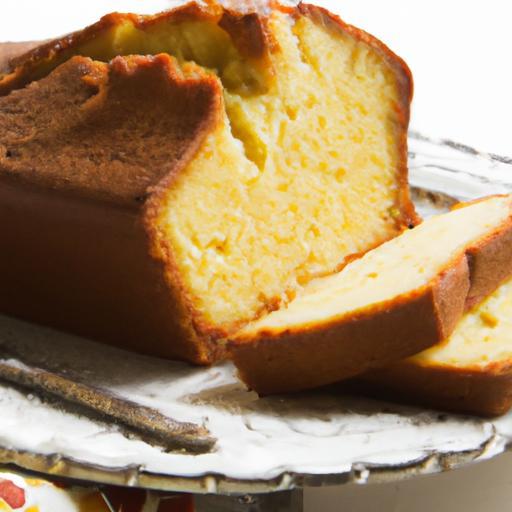
There’s a comforting magic in the aroma of a classic pound cake – a whisper of history baked into every golden slice. With its tender crumb and buttery richness, this humble dessert has transcended centuries, kitchens, and generations, earning its place as a timeless staple in the world of baking. But beyond its simple elegance lies a story of tradition, technique, and subtle secrets that have helped the pound cake endure and evolve. In this article, we’ll unravel the allure of this iconic treat, exploring what makes it so irresistibly charming and uncovering the baking wisdom that keeps its legacy alive.
Prep and Cook Time
Preparation Time: 20 minutes
Cooking Time: 60 minutes
Total Time: 1 hour and 20 minutes
Yield
Serves 8 generous slices (perfect for sharing or savoring over several days)
Difficulty Level
Medium - Ideal for home bakers ready to elevate their skills with a timeless classic
ingredients
- 1 cup (226g) unsalted butter, softened to room temperature
- 2 cups (400g) granulated sugar
- 4 large eggs, at room temperature
- 3 cups (360g) all-purpose flour, sifted
- 1/2 teaspoon fine sea salt
- 1 teaspoon pure vanilla extract
- 1/2 cup (120ml) whole milk, warmed slightly
- Zest of 1 lemon (optional, for a subtle citrus brightness)
Instructions
- Preheat your oven to 325°F (163°C). Grease and flour a conventional 9×5-inch loaf pan or line with parchment paper for effortless release.
- Cream the softened butter and sugar in a large mixing bowl using a stand mixer or hand mixer on medium speed. Beat for 5-7 minutes untill the mixture is light, fluffy, and pale yellow – this step is crucial for incorporating air that lends the pound cake its tender crumb.
- Add eggs one at a time, beating well after each addition. This ensures an even, stable batter that won’t curdle or separate.
- In a separate bowl, whisk together the sifted flour and salt. gradually add these dry ingredients to your butter-sugar-egg mixture in three batches, alternating with warm milk, beginning and ending with the flour. Mix on low speed just until combined to avoid over-developing gluten, which can toughen the cake.
- Stir in the vanilla extract and lemon zest gently by hand. The fragrance at this stage will tantalize your senses and preview the cake’s delicate depth.
- Pour the batter evenly into your prepared loaf pan,smoothing the surface with a spatula for an even rise and a beautifully uniform crust.
- Bake for 55-65 minutes,or until a toothpick inserted into the center comes out clean. Rotate the pan halfway through baking for even coloration. The cake should develop a golden-brown crust that crackles slightly as it cools.
- Cool the cake in the pan for 15 minutes, then transfer to a wire rack. This rest helps steam escape slowly, retaining moisture and yielding that luscious, tender crumb classic pound cake is beloved for.
Tips for Success: Mastering the Art of Texture and Flavor
- Butter at room temperature: Soft but not melted is key-this creates an ideal creamy base to trap air, crucial for the cake’s structure.
- Sift dry ingredients: Prevent grittiness and encourage even mixing with your wet ingredients.
- Don’t overmix: Once flour hits the batter, mix gently and briefly to maintain a crumb that’s moist and tender, not dense.
- Milk temperature matters: Warm milk helps the butter blend more seamlessly into the batter, contributing to moistness.
- Flavor creativity: Swap lemon zest for orange or almond extract for delightful variations without sacrificing authenticity.
- Make-ahead magic: Pound cake improves with rest; wrap tightly and refrigerate for up to 3 days or freeze slices for indulgence that lasts.
Serving Suggestions
Slice your classic pound cake thickly and serve warm or at room temperature. Top with fresh berries, a dollop of whipped cream, or a light drizzle of honey for a sophisticated touch. For an indulgent twist,pair with a rich espresso or a scoop of vanilla bean ice cream. Garnish with a sprig of mint or edible flowers to elevate presentation and entice your guests.
| nutritional Info (per slice) | Amount |
|---|---|
| Calories | 350 kcal |
| Protein | 5g |
| Carbohydrates | 45g |
| Fat | 16g |
The rich history behind classic pound cake and its enduring appeal lies not just in its humble origins but in the mastery of texture and flavor. With careful attention to quality ingredients and technique, this simple yet sumptuous dessert transforms any occasion into a heartfelt party of timeless baking tradition.
For deeper culinary inspiration, explore our guide to homemade butter to enhance your pound cake’s flavor profile. For historical context and interesting trivia, the Encyclopedia Britannica’s article on pound cake origins is a trusted and insightful resource.

Q&A
Q&A: The Timeless Charm and Secrets of Classic Pound Cake
Q: What makes pound cake a timeless classic in the world of baking?
A: Pound cake’s timeless appeal lies in its simplicity and rich, buttery flavor. Originating in europe centuries ago,its name comes from the traditional recipe of a pound each of flour,butter,sugar,and eggs-an easy-to-remember formula that produces a dense,moist,and tender cake. Its straightforward ingredients and dependable results have made it a beloved staple across generations.
Q: Why is the texture of pound cake so distinctive?
A: The dense yet tender crumb of a classic pound cake comes from the balance of fat and flour, combined with the gentle creaming of butter and sugar. This process traps air,which gives the cake a fine,even structure. Unlike lighter, fluffier cakes, pound cake offers a satisfying heft that holds up beautifully when sliced, making it perfect alone or paired with fruits, creams, or glazes.
Q: Are there any secrets to baking a perfect pound cake every time?
A: Absolutely! key secrets include using room temperature ingredients to ensure proper creaming, avoiding overmixing once flour is added to prevent toughness, and baking at a moderate temperature to develop a golden crust without drying out the interior. additionally, letting the cake cool entirely before slicing helps the flavors to deepen and the texture to set.Q: How has pound cake evolved over the years?
A: While the original recipe is wonderfully simple, modern bakers have adapted pound cake with variations like adding vanilla, lemon zest, or almond extract to elevate the flavor profile. Some experiment with cream cheese or sour cream for extra moisture, or fold in berries and nuts to add texture and bursts of flavor. Despite these twists, the heart of pound cake remains its buttery richness and satisfying crumb.Q: Can pound cake be considered versatile in culinary use?
A: Definately! Pound cake is a blank canvas for creativity.It can be served plain, dusted with powdered sugar, or dressed up with glazes and frostings. It also pairs beautifully with fresh fruit, whipped cream, or a drizzle of chocolate. Beyond dessert, pound cake cubes work wonderfully in bread puddings or trifles, and its sturdy texture can even be transformed into layered cakes.
Q: What cultural or historical significance does pound cake hold?
A: Pound cake embodies a sense of nostalgia and tradition, often evoking memories of home baking and family gatherings. Its straightforward recipe reflects a time when simplicity was key, yet home bakers took pride in producing rich, satisfying treats. Across diffrent cultures, versions of pound cake have appeared, symbolizing comfort and the joy of shared food.
Q: any tips for storing pound cake to maintain its charm?
A: To keep pound cake fresh and moist, wrap it tightly in plastic wrap or store in an airtight container at room temperature for up to three days. For longer storage, it freezes well-wrap it securely and thaw gently to preserve texture. Proper storage ensures each slice retains that classic buttery goodness.
Q: In a world filled with extravagant desserts, why does pound cake still hold its place?
A: Because pound cake is more then just a dessert; it’s a celebration of simplicity done exceptionally well. Its rich flavor and comforting texture offer a moment of calm and indulgence-a reminder that sometimes, the most satisfying pleasures are the classics that stand the test of time.
In Summary
As we close the oven door on our exploration of classic pound cake,its enduring charm becomes clear: this humble dessert is more than just a simple slice of sweetness. It’s a testament to the artistry of balance-flour, butter, sugar, and eggs harmonizing perfectly through time. Beyond its buttery crumb and golden crust lies a rich history and a comforting ritual that invites both bakers and lovers of cake to slow down and savor tradition.Whether enjoyed plain, adorned with fresh berries, or dressed in a drizzle of glaze, the classic pound cake carries secrets baked into every crumb-reminders that sometimes, the simplest recipes hold the most profound pleasures. So next time you slice into a piece, remember you’re tasting a legacy, timeless and true.