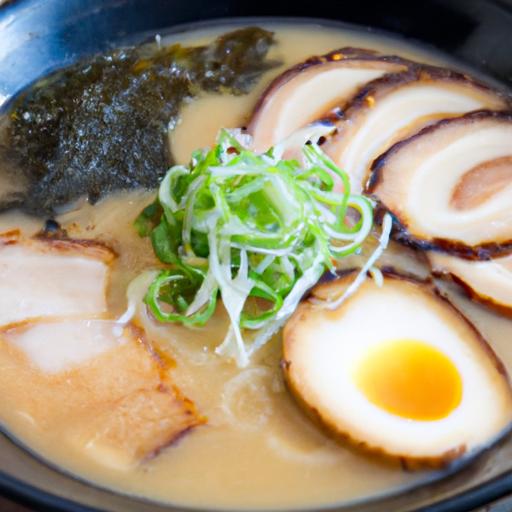


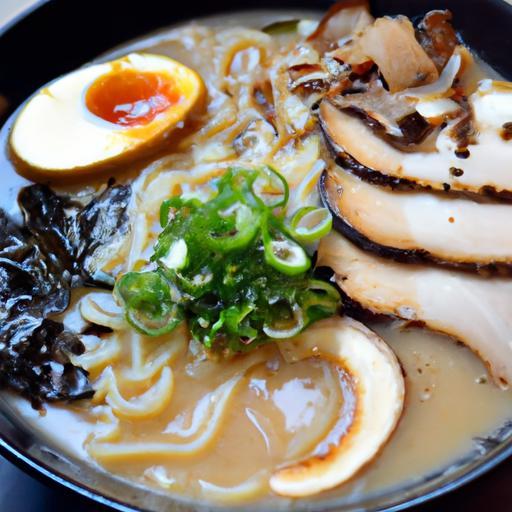
In the world of ramen, few bowls command as much reverence as Tonkotsu. This luscious,creamy broth-born from hours of simmering pork bones-transforms simple ingredients into a deeply satisfying elixir that warms the soul as much as it fills the stomach.With it’s rich texture,complex flavors,and comforting aroma,Tonkotsu ramen is more than just a meal; it’s a culinary experience that invites you to slow down,savor each bite,and connect with a tradition steeped in passion and patience. Join us as we unravel the secrets behind this beloved Japanese staple and explore why Tonkotsu ramen continues to enchant food lovers across the globe.
Tonkotsu ramen captivates with its silky, creamy pork broth that envelops each strand of al dente noodles, delivering a warm, soul-soothing experience steeped in rich tradition. Originating from the vibrant Hakata district in Fukuoka, Japan, this beloved dish was born from the ingenuity of street vendors eager to craft a hearty meal from humble pork bones simmered for hours until the marrow releases a luscious, opaque broth that is both intense and comforting.
Prep and Cook Time
- Planning: 30 minutes
- Cook Time: 12-14 hours (for the broth)
- Total Time: Approximately 13-14.5 hours
Yield
Serves 4 hearty portions
Difficulty Level
Advanced – patience and attention to detail are key for the perfect broth
Essential Ingredients for Authentic Tonkotsu Ramen
- 5 lbs pork bones (preferably leg bones and trotters, packed with collagen)
- 1 large onion, quartered
- 1 whole head of garlic, halved horizontally
- 4-inch piece of ginger, sliced
- 2 scallions, roughly chopped
- 2 tbsp vegetable oil
- Salt, to taste
- Fresh alkaline ramen noodles, enough for 4 servings
- Chashu pork slices (slow-braised pork belly)
- Soft-boiled marinated eggs
- Bamboo shoots (menma)
- Sesame seeds and sliced green onions for garnish
- Tonkotsu tare (flavoring sauce made with soy sauce, mirin, and dashi)
Step-by-step Instructions for Unlocking the Secrets of the Perfectly Creamy Broth
- Prepare the bones: Place the pork bones in a large stockpot and cover with cold water. Bring to a rolling boil for 10 minutes to purge impurities, then drain and rinse the bones under cold water to remove any residual scum. This step ensures a clean,clear broth base.
- Roast aromatics: In a dry skillet, lightly char the quartered onion, halved garlic, and sliced ginger until fragrant and golden. This adds a subtle smokiness that deepens the broth’s complexity.
- Simmer: Return the blanched bones to a clean pot filled with fresh water. Add the roasted aromatics and roughly chopped scallions. Bring to a steady boil and then reduce to a vigorous simmer uncovered. Keep the pot uncovered to allow the collagen to emulsify into the broth, creating that signature creamy white texture. Skim any surface scum during the first hour.
- Long, slow cook: Simmer the broth for 12-14 hours, topping up water as needed to keep the bones submerged. The prolonged heat and agitation extract the marrow and fats, turning the broth rich and milky.
- Strain and refine: Once done, strain the broth through a fine-mesh sieve lined with cheesecloth into a clean pot. Discard solids. Season gently with salt and tonkotsu tare – this mixture ties all the umami flavors together.
- Prepare noodles: Cook fresh ramen noodles in boiling water for 90 seconds to 2 minutes, until just tender but still slightly firm. drain and rinse briefly under warm water to remove excess starch.
- Assemble bowls: Divide noodles into warmed bowls, ladle the steaming tonkotsu broth over the top. Garnish generously with chashu pork, marinated soft-boiled eggs, menma, sesame seeds, and sliced green onions for the full Hakata experience.
Chef’s Notes: Tips for Success
- Bone selection is crucial: Using trotters (pork feet) is essential to achieve a gelatinous, creamy broth as they are rich in collagen that breaks down during the long simmer.
- Maintain a vigorous simmer: Avoid a low simmer or boiling covered, which can cloud the broth and impede that rich emulsification unique to tonkotsu ramen.
- Make ahead: The broth improves with rest. Refrigerate overnight and skim off excess fat before reheating gently.
- Customize the tare: Tailor the intensity of your seasoning sauce by balancing soy, mirin, and dashi to meet your taste preference.
- Hand-pulled fresh noodles or artisanal dried noodles can transform your dish but adjust cooking time accordingly to keep the ideal texture.
Serving Suggestions
Serve in deep ramen bowls,presenting the tonkotsu ramen with neat slices of chashu pork arranged beside halved marinated eggs showcasing their creamy yolks. Sprinkle toasted sesame seeds and freshly chopped green onions on top for crunch and freshness. For an added layer of texture, include bamboo shoots (menma) and a drizzle of chili oil or garlic oil for warmth.
For a true immersive experience, pair your bowl with a small side of pickled ginger or takana (spicy mustard greens) to contrast the rich broth. Complement the meal with a light, crisp Japanese lager or chilled sake.

| Nutrient | Per serving |
|---|---|
| calories | 650 kcal |
| Protein | 38 g |
| Carbohydrates | 48 g |
| Fat | 30 g |
Explore more about Japan’s diverse ramen culture and noodle making techniques in our Japanese Ramen Guide. For an authoritative insight on pork-based broths, visit Japan Food Culture.
Q&A
Q&A: Tonkotsu Ramen: The Creamy Broth That Warms the Soul
Q: What exactly is Tonkotsu ramen?
A: Tonkotsu ramen is a rich and creamy Japanese noodle soup that features a broth made by simmering pork bones for many hours. The bones break down to release collagen and marrow, resulting in a thick, milky broth that’s deeply flavorful and comforting-a true hug in a bowl.Q: How did Tonkotsu ramen originate?
A: Tonkotsu ramen hails from the Fukuoka region on Japan’s southern island of Kyushu. It was born out of humble beginnings-street vendors slow-cooked pork bones over low heat,creating a hearty broth for working-class folks. its irresistibly creamy texture and bold taste quickly won hearts and spread across Japan and the world.
Q: What makes Tonkotsu broth different from other ramen types?
A: Unlike clear or soy-based broths, Tonkotsu broth is opaque and silky due to the marrow and collagen released during the long simmering process-often 12 hours or more. This creates a velvety mouthfeel and a deep umami punch that feels both luxurious and soulful.
Q: What are the key ingredients in a classic Tonkotsu ramen bowl?
A: Aside from the luscious broth, a classic Tonkotsu ramen includes thin, straight noodles, tender chashu (braised pork belly), green onions, soft-boiled marinated egg (ajitsuke tamago), and often crunchy wood ear mushrooms or pickled ginger. Each element balances richness with texture and brightness.
Q: Why dose Tonkotsu ramen feel so “soul-warming”?
A: There’s something almost meditative about the process of slowly extracting every bit of flavor from the pork bones,and when that broth is ladled over noodles and savored,it hits both the stomach and the heart. The creamy, hearty soup comforts from the inside out, evoking warmth, nostalgia, and satisfaction.
Q: Can Tonkotsu ramen be enjoyed beyond Japan?
A: Absolutely! Tonkotsu ramen has gone global, inspiring countless ramen shops worldwide. While authentic Tonkotsu requires patience and technique, many chefs innovate with local ingredients while honoring the traditional creamy essence. Whether in a bustling Tokyo alley or a trendy cafe in New York, Tonkotsu ramen brings people together.
Q: What’s the best way to enjoy Tonkotsu ramen at home?
A: Patience is key-if you’re up for making broth from scratch, simmer pork bones low and slow for hours, skimming impurities along the way. Pair your creamy broth with fresh noodles and classic toppings. If time is tight, many specialty stores sell prepared Tonkotsu broth to heat and customize. Either way, savor each spoonful slowly; it’s a bowl meant to be enjoyed with care.
Q: Are there any health considerations with Tonkotsu ramen?
A: Tonkotsu ramen is undeniably rich and higher in fat and calories than lighter broths. It’s a worthy indulgence but best enjoyed as an occasional treat balanced with fresh veggies and mindful eating. Remember, the joy it brings is part of the nourishment-it warms more than just your body!
Embrace the warmth and depth of tonkotsu ramen-the creamy broth that not only fills your bowl but also your soul. Whether you’re a ramen novice or a devoted foodie, this savory tradition invites you to slow down, savor, and feel nourished inside and out.
Key Takeaways
As the steam rises from your bowl and the rich, savory aroma of tonkotsu broth envelops your senses, it’s clear why this creamy ramen has captured hearts around the world. More than just a meal, tonkotsu ramen is a comforting ritual-a harmonious blend of tradition, patience, and flavor that warms both body and soul. Whether you’re savoring it in a bustling Tokyo alley or crafting your own pot at home, the magic of tonkotsu lies in its ability to transform simple ingredients into an unforgettable experience. So next time the chill sets in or you seek a taste of Japan’s culinary soul,let a bowl of tonkotsu ramen remind you why comfort food is truly an art form.