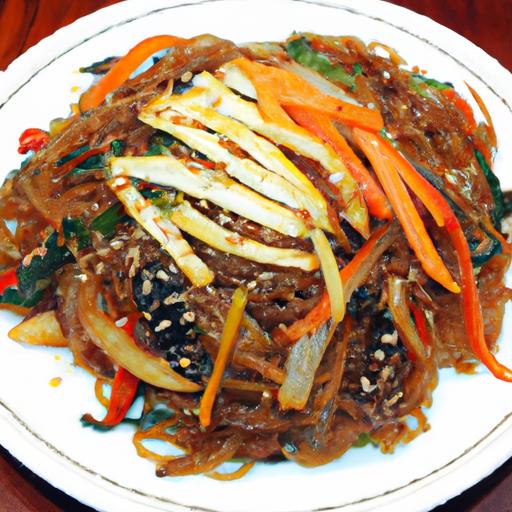



Stepping into the vibrant world of Korean cuisine, few dishes capture the heart and palate quite like japchae. This glossy, stir-fried noodle dish is more than just a feast for the eyes-it’s a harmonious blend of textures, colors, and flavors that tell a story of tradition and party. Whether served as a festive centerpiece or a comforting everyday meal, authentic japchae offers a delightful taste of Korea’s rich culinary heritage. In this guide, we’ll unlock the secrets behind making perfect japchae at home, revealing essential ingredients, time-honored techniques, and insider tips that bring this beloved dish to life.Prepare to embark on a flavorful journey that transforms humble sweet potato noodles into a mouthwatering masterpiece.
Unlock the Secrets of Authentic Korean Japchae begins with an appreciation for the vibrant harmony of textures and flavors that define this beloved Korean stir-fried glass noodle dish. Originating from the royal courts of the Joseon Dynasty, japchae combines translucent sweet potato starch noodles with a colorful medley of vegetables, tender meat, and a delectably balanced soy-based sauce. Each ingredient plays a crucial role, from the springy texture of the dangmyeon noodles to the subtle sweetness of caramelized onions, crafting an experience that is both sophisticated and homey. Whether for a festive occasion or a cozy family meal, mastering the art of selecting perfect ingredients and techniques makes all the difference in delivering an authentic dish that delights every palate.
Prep and Cook Time
- Planning: 25 minutes
- Cooking: 15 minutes
- Total Time: 40 minutes
Yield
Serves 4 generous portions
Difficulty Level
Medium – Ideal for those comfortable with stir-frying and ingredient prep
Ingredients
- 200g sweet potato starch noodles (dangmyeon), soaked in warm water for 20 minutes
- 150g beef sirloin, thinly sliced against the grain
- 1 medium carrot, julienned
- 1 red bell pepper, thinly sliced
- 1 cup spinach leaves, washed and trimmed
- 4 shiitake mushrooms, stems removed and thinly sliced
- 1 small onion, thinly sliced
- 3 cloves garlic, minced
- 3 tablespoons soy sauce, naturally brewed
- 2 tablespoons sesame oil
- 1 tablespoon sugar, preferably unrefined
- 1 tablespoon toasted sesame seeds
- 2 green onions, thinly sliced diagonally
- 3 tablespoons vegetable oil, for stir-frying
Instructions
- Prepare the noodles: Drain the soaked dangmyeon noodles and bring a pot of boiling water to a rapid boil.Cook noodles for 6-7 minutes until tender but chewy. Drain, rinse under cold water, and set aside with a light drizzle of sesame oil to prevent sticking.
- marinate the beef: Toss thinly sliced beef with 1 tablespoon soy sauce, 1 teaspoon sugar, and 1 teaspoon minced garlic. Let rest for 10 minutes to infuse flavor.
- Sauté vegetables individually: Heat 1 tablespoon vegetable oil in a large skillet or wok. Sauté carrot juliennes for 2-3 minutes until just tender, set aside. Repeat separately for bell pepper slices, spinach (just until wilted), mushrooms (until golden and slightly soft), and onions (until translucent and lightly caramelized). Keeping vegetables separate maintains vibrant colors and distinct textures.
- Cook the beef: Add 1 tablespoon oil to the skillet, cook marinated beef on high heat until browned, about 2-3 minutes. Remove beef and set aside.
- Combine noodles and sauce: In the same pan, add minced garlic and sauté briefly until fragrant. Add drained noodles and the remaining 2 tablespoons soy sauce and 1 tablespoon sugar. Toss gently to coat noodles evenly, heating through.
- Assemble japchae: Return all cooked vegetables and beef to the pan with the noodles. drizzle with 2 tablespoons sesame oil, then gently toss over medium heat just to combine and warm everything evenly. Avoid overcooking to retain texture variety.
- Final touches: Transfer japchae to a serving dish, sprinkle generously with toasted sesame seeds and sliced green onions for a fresh, nutty finish.
Tips for Success
- Ingredient Quality: Choose fresh, firm vegetables and high-quality sweet potato noodles to ensure the signature chewiness and vibrant presentation.
- Vegetable Prep: Sautéing vegetables separately prevents color blending and maintains texture contrast. Avoid overcooking to keep them lively and crisp.
- sauce Balance: Adjust soy sauce and sugar gradually; the key is a harmonious blend of savory and sweet with a hint of nuttiness from sesame oil.
- Protein Variations: Substitute beef with chicken, pork, or tofu for alternative flavors while preserving the dish’s spirit.
- Make-Ahead: Prepare ingredients in advance and gently reheat japchae on low heat to avoid sogginess.
Serving Suggestions
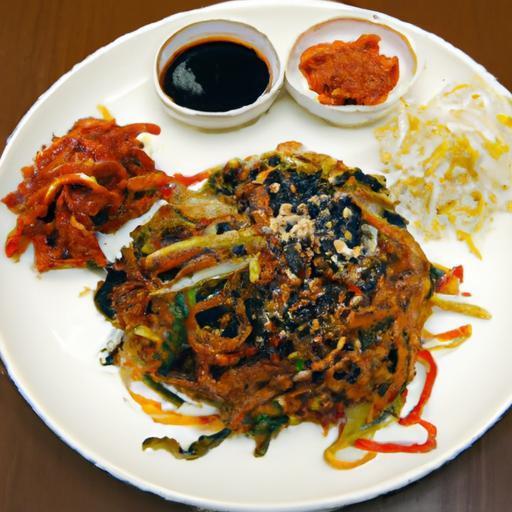
Present your japchae in a wide, shallow bowl to showcase the colorful vegetables and glossy noodles.Garnish with extra toasted sesame seeds and a sprinkle of thinly sliced green onions for added brightness. For an authentic Korean dining experience, pair japchae with crisp kimchi, tangy baechu kimchi, and a mild bulgogi recipe for a complete feast that balances texture and flavor beautifully.
| Nutrient | Per Serving |
|---|---|
| Calories | 320 kcal |
| Protein | 18 g |
| Carbohydrates | 40 g |
| Fat | 8 g |

Q&A
Q&A: Unlock the Secrets of Authentic Korean japchae – A Tasty Recipe Guide
Q1: What exactly is Japchae,and why is it so special in Korean cuisine?
A1: Japchae (잡채) is a beloved Korean dish made from sweet potato starch noodles called dangmyeon,stir-fried with a vibrant mix of vegetables,tender beef,and a savory-sweet soy-based sauce. Its special charm lies in the perfect harmony of chewy noodles and crisp, colorful veggies, delivering a delightful textural and flavor experience. Traditionally served during celebrations and holidays, Japchae embodies festivity and comfort in every bite.
Q2: What are the key ingredients that give Japchae its authentic flavor?
A2: The magic of authentic Japchae comes from simple yet carefully balanced ingredients: sweet potato noodles (dangmyeon) for that iconic chew; a rainbow of vegetables like spinach, carrots, shiitake mushrooms, onions, and bell peppers; thinly sliced beef marinated in soy sauce, garlic, and sesame oil; and a sauce that marries soy, sugar, and toasted sesame oil. Toasted sesame seeds add the final nutty kiss.
Q3: Can you share some insider tips for cooking the perfect Japchae noodles?
A3: Absolutely! Japchae noodles are slippery and delicate, so cook them just until tender but still slightly chewy-usually 5 to 7 minutes in boiling water. Avoid overcooking, which can make them mushy. After draining, rinse them under cold water to halt cooking and remove excess starch. Toss the noodles lightly with a drizzle of sesame oil to keep them from sticking and to infuse subtle aroma.
Q4: How crucial is the order of stir-frying the ingredients?
A4: The order is key to preserving texture and building layers of flavor. Start by stir-frying the beef until browned, then set aside. Next, individually sauté vegetables-each cooks at a diffrent pace, so this prevents sogginess and maintains vibrancy. toss together noodles, meat, veggies, and sauce to marry the flavors in one quick stir-fry. This careful choreography results in Japchae’s signature brightness and balance.
Q5: Are there any common mistakes to avoid when making Japchae at home?
A5: Yes! A few pitfalls to watch out for: overcooking noodles; overcrowding the pan, which steams rather than stir-fries ingredients; skimping on sauce, which leaves the dish bland; and skipping the resting step (letting the Japchae sit a bit allows flavors to meld beautifully). Also, don’t underestimate the power of sesame oil-it’s essential for that authentic nuttiness.
Q6: Can Japchae be enjoyed outside of customary celebrations?
A6: Definitely! While Japchae shines at festivals and family gatherings, its versatility makes it a fantastic meal anytime. Serve it warm as a main dish or room temperature as a side. It even makes a unique addition to picnic boxes and lunch sets, thanks to its balanced nutrition and satisfying taste. Dive into its colorful complexity whenever you crave a burst of Korean comfort.
Q7: are there vegetarian or vegan versions of Japchae?
A7: For sure! Simply swap the beef for tofu or mushrooms for an umami-rich punch, and use soy sauce instead of fish sauce to keep it plant-based. The abundance of vegetables already makes it vibrant and nutritious. Just keep the sesame oil and toasted seeds for that classic Japchae flavor-no animal products needed to make it shine.
Q8: Were can one find sweet potato noodles, and are there any good substitutions?
A8: Sweet potato noodles, or dangmyeon, are typically available at Asian grocery stores or online. They’re the heart and soul of Japchae’s chewy texture. If you’re in a pinch, glass noodles made from mung bean starch can substitute, but the subtle flavor and elasticity won’t be quite the same. For the true secret of authentic Japchae, track down dangmyeon-your taste buds will thank you!
Unlocking the secrets of Japchae means embracing its humble ingredients, respecting technique, and savoring the dance of flavors. With this guide, your kitchen is ready to host a Korean culinary celebration anytime-delicious, colorful, and authentically yours. Happy cooking!
To Conclude
As you close the chapter on our journey through the vibrant world of authentic Korean Japchae, remember that this dish is more than just a recipe-it’s a celebration of culture, flavor, and tradition woven into every silky strand of sweet potato noodles. Armed with these secrets and techniques, your kitchen transforms into a gateway to Korea’s rich culinary heritage. So gather your ingredients, embrace the dance of colors and textures, and let each bite tell a story that’s both timeless and delicious. Your adventure with Japchae doesn’t end here-it’s only just beginning.