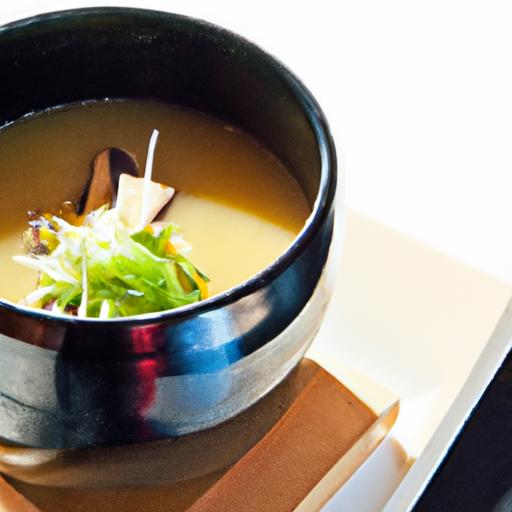



there’s a flavor that lingers on the tongue long after the last spoonful-deep, savory, and utterly comforting. Welcome to the world of umami, the elusive “fifth taste” that transforms everyday dishes into memorable experiences. at the heart of this culinary phenomenon lies miso soup, a timeless Japanese classic that perfectly embodies umami’s magic. In this ultimate miso soup recipe guide, we’ll unlock the secrets behind crafting the perfect bowl-from selecting the ideal miso paste to balancing ingredients that dance harmoniously on your palate. Whether you’re a seasoned cook or a curious foodie, prepare to embark on a delicious journey that will elevate your understanding-and enjoyment-of umami like never before.
Unlock umami by diving deep into the heart of traditional miso soup, a humble yet profoundly flavorful staple of Japanese cuisine. This iconic dish is steeped in centuries-old tradition, where simple ingredients combine to reveal layers of savory richness-celebrated as umami. Whether enjoyed as a calming start to your day or a nourishing evening ritual,crafting an authentic miso soup connects you to the essence of Japanese culinary artistry.
Prep and cook Time
- Preparation: 10 minutes
- Cooking: 15 minutes
- Total Time: 25 minutes
Yield
Serves 4 comfortably, perfect for family meals or cozy gatherings.
Difficulty Level
Easy – Even beginners can master this flavorful broth with guided steps.
Ingredients
- 4 cups dashi stock (homemade or high-quality instant dashi granules)
- 3 tablespoons miso paste (adjust type based on flavor preference)
- 100g silken or firm tofu,cut into ½ inch cubes
- 2 stalks green onions,thinly sliced
- 1 cup wakame seaweed,rehydrated and drained
- optional: ½ cup enoki or shiitake mushrooms,thinly sliced
Instructions
- Prepare the dashi broth: in a medium saucepan,gently warm 4 cups of dashi stock over medium heat until steaming but not boiling. This foundational broth brings subtle smoky and oceanic notes vital to unlocking umami.
- Choose the miso paste: Scoop 3 tablespoons of miso paste into a small bowl. Use a ladle to whisk in about ½ cup of the hot dashi until smooth. This technique prevents clumping and ensures a silky broth.
- Combine and dissolve miso: Slowly pour the miso mixture back into the pot with the remaining dashi. Stir gently-avoid boiling as it can dull the delicate flavor and reduce health benefits.
- Add tofu and wakame: Gently slide in the tofu cubes and wakame seaweed. Allow them to warm through for 2-3 minutes without stirring too aggressively to keep tofu intact.
- Enhance with mushrooms (optional): Add sliced mushrooms and simmer for another 3 minutes until tender, infusing earthier umami layers.
- Finish with green onions: Off the heat, sprinkle sliced green onions on top, adding freshness and vibrant color to each bowl.
- Serve immediately: ladle into warmed bowls, enjoying the comforting aroma and layered textures.
Tips for Success: Elevating Your Miso Soup Experience
- Choosing Your Miso: White (Shiro) miso offers a sweeter, milder taste; Red (Aka) miso delivers a robust, deeper umami punch; and Awase is a balanced blend of both. Experiment to find your signature flavor profile.
- Broth balance: High-quality dashi-fresh kombu and bonito flakes if making from scratch-creates the essential umami backbone, elevating every spoonful.
- Prevent bitterness: Never boil miso soup after adding miso paste, as this destroys its delicate flavor and nutrients.
- Make ahead: Prepare dashi in bulk and store in the fridge for up to three days. Add miso and perishable toppings just before serving.
- Variations: Incorporate root vegetables like daikon or carrots for added texture, or swap tofu for thin slices of cooked chicken for a heartier option.
Serving Suggestions: Presenting the Perfect Bowl
Serve your miso soup in rustic Japanese-style lacquer bowls to highlight its natural warmth. Garnish with a sprinkle of toasted sesame seeds or a few drops of yuzu kosho for a subtle citrusy heat.Pair with steamed jasmine rice and pickled vegetables for an authentic meal that balances umami and freshness.

| Nutrient | Per Serving |
|---|---|
| Calories | ninety-five |
| Protein | 6g |
| Carbohydrates | 5g |
| Fat | 3g |
For a deeper dive into Japanese cooking techniques and broth varieties, check out our Japanese Broths Guide. To understand the science behind umami and its discovery, visit the Nobel Prize official summary.
Q&A
Q&A: Unlock Umami – The Ultimate Miso Soup Recipe Guide
Q1: What exactly is umami, and why is it important in miso soup?
A1: umami is often described as the “fifth taste,” alongside sweet, sour, salty, and bitter. It’s a savory, mouth-filling flavor that deepens the taste experience. In miso soup, umami comes from ingredients like fermented miso paste, kombu (kelp), and bonito flakes, creating a rich, comforting broth that warms both palate and soul.
Q2: Can I make authentic miso soup without using dashi stock?
A2: While dashi traditionally forms the flavor backbone of miso soup, you can craft a veggie-pleasant or simpler broth using mushrooms (shiitake is a great choice) or seaweed alone. These alternatives still pack umami punch, though the depth may vary.Experiment! Authenticity is about capturing the spirit, not just the ingredients.
Q3: What types of miso are best for miso soup?
A3: Miso comes in manny varieties: white (shiro), red (aka), and mixed (awase) miso. white miso is mild and slightly sweet-perfect for a gentle,delicate soup. Red miso is stronger and saltier, giving the soup a robust, earthy character. Awase blends the best of both worlds for a balanced umami profile. Pick your miso based on your mood and the flavor intensity you crave.
Q4: How do I prevent miso soup from becoming bitter or grainy?
A4: The secret is in not boiling the miso paste. After your dashi or broth is hot,gently dissolve miso off the heat or at low temperature. Boiling miso breaks down its delicate enzymes and proteins, leading to bitterness and a less silky texture. Stir it in lovingly and serve immediately for that flawless umami glow.
Q5: What extras can I add to diversify my miso soup experience?
A5: The canvas of miso soup is delightfully versatile! Classic add-ins include tofu cubes, wakame seaweed, scallions, and mushrooms. Feeling adventurous? Try adding daikon radish, grated ginger, enoki mushrooms, or even small clams. Each ingredient layers on a new note in the symphony of umami.
Q6: is miso soup healthy?
A6: Absolutely! Miso soup is a probiotic powerhouse due to fermentation, supporting gut health. It’s also rich in vitamins, minerals, and antioxidants. Just watch the salt content if you’re sensitive, as miso and dashi can add sodium. it’s a nurturing,light,and umami-packed bowl of wellness.
Q7: How can I make my miso soup truly feel like an experience, not just a speedy meal?
A7: Treat preparation as a ritual. Savor the aroma of the simmering dashi, admire the gentle swirl as miso dissolves, and choose toppings with care – vibrant greens, silky tofu, fresh scallions. Serve it in a beautiful bowl, sip slowly, and let the umami dance on your tongue. It’s not just soup, it’s an edible meditation.
Wrapping up
As you close this flavorful journey through the world of miso soup,remember that unlocking umami is more than just following a recipe-it’s about embracing the delicate balance of tradition,creativity,and taste. Whether you’re a seasoned chef or a curious newcomer, this ultimate guide has equipped you with the tools to craft miso soup that warms the soul and delights the palate. So, gather your ingredients, experiment boldly, and let each spoonful transport you to the heart of Japanese culinary artistry. Your perfect bowl of umami awaits-ready to nourish, comfort, and inspire with every savory sip.