
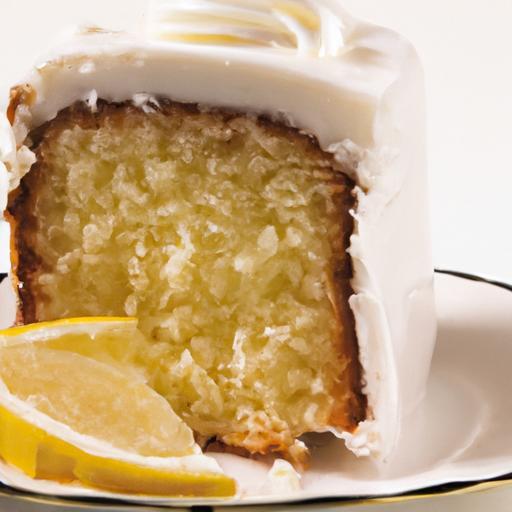
There’s something irresistibly radiant and cheerful about a slice of lemon cake-a zestful burst that dances on the palate, balancing sweetness with a tangy punch. But beneath its sunny exterior lies a interesting blend of science and artistry, where precise chemistry meets creative flair to create that perfect bite. In “Zesty Delight: The science and Art of Perfect Lemon Cake,” we peel back the layers to explore how the humble lemon transforms simple ingredients into a symphony of flavor and texture. From the role of acidity in tender crumb formation to the delicate interplay of aromas that elevate each slice, join us as we uncover the secrets behind this beloved dessert and inspire your next baking adventure.
Zesty Delight is a celebration of bright, citrusy flavor wrapped in tender, moist crumb-an irresistible lemon cake that enchants both the palate and the eyes.Originating from classic European patisserie traditions,lemon cake captivates through the delicate balance of tang and sweetness,a harmony crafted by understanding the subtle chemistry of its ingredients and mastering precise baking techniques. My own journey with this cake began in a sunlit kitchen, where the zing of freshly squeezed lemons paired with the comforting aroma of vanilla created a scent that promised pure joy with every bite.
Prep and Cook Time
- preparation: 20 minutes
- Baking: 40 minutes
- Total Time: 1 hour
Yield
Serves 10-12 slices
Difficulty Level
Medium – Perfect for keen home bakers ready to dive into precise measurements and nuanced flavor layering.
Ingredients
- 1 ¾ cups all-purpose flour, sifted
- 1 teaspoon baking powder
- ½ teaspoon baking soda
- ¼ teaspoon fine sea salt
- 1 cup granulated sugar
- 3 large eggs, at room temperature
- ½ cup unsalted butter, melted and cooled
- ¾ cup whole milk, warmed
- Zest of 2 large lemons (about 2 tablespoons)
- ¼ cup freshly squeezed lemon juice
- 1 teaspoon pure vanilla extract
- Optional: ½ cup sour cream or Greek yogurt for extra moisture
understanding the Chemistry Behind Lemon Cake’s Tangy Flavor
The secret behind lemon cake’s zesty delight lies in the interaction between acidic lemon juice and the tenderizing agents in the batter. The citric acid from lemons reacts with baking soda and baking powder to create carbon dioxide bubbles, lending lift and lightness.Meanwhile, the acid gently curdles the proteins in the eggs and dairy, creating a moist crumb that melts on your tongue. Freshly grated lemon zest contains essential oils packed with aromatic compounds, boosting the cake’s fragrance and complexity beyond just acidity.Balancing these elements with the right ratio of sugar and fat is key to achieving that perfect harmonious tang without overwhelming bitterness.
Selecting the Ideal Ingredients for a Luscious Lemon Cake
For a truly irresistible cake, every ingredient matters. Use fresh lemons for both juice and zest-the brightness of fresh citrus cannot be beaten by bottled juice. Opt for unsalted butter so you control the saltiness, wich enhances flavor depth. Whole milk enriches the crumb, but adding a dollop of sour cream or Greek yogurt can increase moisture retention and tenderness. High-quality vanilla extract grounds the flavor profile, balancing the sharpness of lemon with soft sweetness. sifting your dry ingredients ensures an even texture by preventing clumps and promoting aeration during mixing.
Mastering Techniques for Moisture and Texture Perfection
- Properly cream the sugar and eggs. Whisking eggs with sugar until pale and fluffy incorporates air, crucial for a delicate crumb.
- Slowly incorporate melted butter. Adding fat too quickly can deflate the batter; gentle folding preserves lightness.
- Alternate dry and wet ingredients. Begin and end with dry ingredients to avoid overmixing, which toughens gluten strands.
- Use warm milk to maintain batter temperature. This helps yeast and baking soda react more evenly, improving rise.
- Do not overbake. Check the cake at 35 minutes; it is done when a toothpick inserted comes out with moist crumbs, not wet batter.
Expert Tips for Decorating and Serving Your Zesty Creation
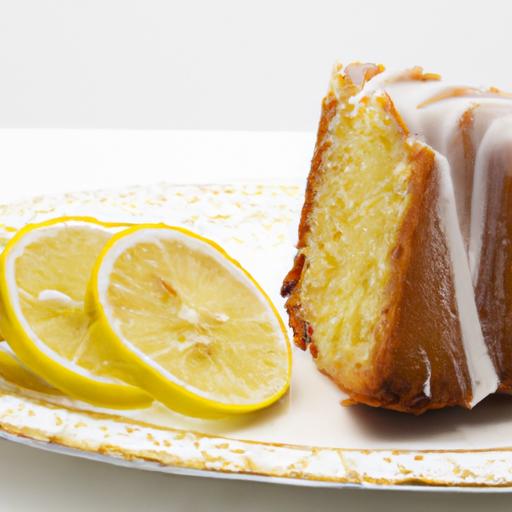
Simple decoration allows your lemon cake’s vibrant color and texture to shine. A thin layer of lemon glaze made from powdered sugar and lemon juice adds glossy tang and moisture. Lightly dust the cake with powdered sugar for a subtle snowy finish. fresh lemon slices, edible flowers, or candied lemon peel elevate presentation and bring extra bursts of citrus charm.Serve chilled or at room temperature alongside a dollop of whipped cream or a scoop of vanilla bean ice cream to complement the tangy profile. A cup of Earl Gray or green tea pairs beautifully, cutting through the sweetness with subtle herbal notes.
Instructions
- Preheat the oven to 350°F (175°C). Grease and flour a 9×5 inch loaf pan or line with parchment.
- In a medium bowl, sift together flour, baking powder, baking soda, and salt. Set aside.
- In a large bowl, whisk sugar and eggs for 3-4 minutes until thick and pale. This step infuses air essential for rise.
- Slowly drizzle in melted butter while gently folding into the egg mixture. Avoid vigorous stirring to keep batter light.
- Add vanilla extract, lemon zest, and lemon juice. Fold until just combined.
- Alternately fold in the dry ingredients and warm milk, starting and ending with dry. For extra moisture, fold in sour cream or Greek yogurt here.
- Pour batter into the prepared pan and smooth the surface with a spatula.
- Bake for 40 minutes, checking at 35 minutes with a toothpick. Cool in the pan for 15 minutes before transferring to a wire rack.
- Once cooled, drizzle with lemon glaze and decorate with lemon slices or zest.
Tips for Success
- Use room temperature eggs and butter to ensure smooth emulsification and even baking.
- If you prefer a less tart cake, reduce lemon juice to 2 tablespoons but keep zest for aroma.
- To keep your cake moist for longer, wrap tightly in plastic wrap and store in the fridge for up to 3 days.
- Add a teaspoon of poppy seeds for delightful texture contrast and a charming visual element.
- For an elegant twist, incorporate lemon extract alongside fresh lemon elements.
Serving Suggestions
This cake shines as a centerpiece for brunch or a elegant afternoon tea. Pair it with fresh berries, a dollop of mascarpone cream, or a scoop of lemon sorbet to amplify its citrus notes. Garnish with mint leaves for a refreshing color accent. Slice it thinly for a light dessert or thick slices for a more indulgent treat-either way, every bite offers the perfect zesty delight that invites smiles.

| Nutrient | Per Serving |
|---|---|
| Calories | 320 kcal |
| Protein | 5 g |
| Carbohydrates | 45 g |
| Fat | 12 g |
For additional baking inspiration, explore our Classic Lemon desserts Collection.Learn more about the fascinating role of citrus acids in baking at ScienceDaily’s citrus chemistry article.
Q&A
Q&A: Zesty Delight – The Science and Art of perfect Lemon Cake
Q1: What makes a lemon cake truly “perfect”?
A1: The perfection of a lemon cake lies in a harmonious balance between tangy citrus brightness and sweet, moist crumb. It’s not just about adding lemon zest or juice; it’s about mastering the interplay of acidity, sweetness, texture, and aroma to create a cake that delights every sense.
Q2: How does the acidity in lemon affect the cake’s texture?
A2: Lemon juice’s acidity reacts with baking soda or baking powder to produce carbon dioxide bubbles, which help the cake rise and become light and fluffy.Additionally, the acid tenderizes the gluten in the flour, resulting in a softer crumb that melts in your mouth.
Q3: Why is lemon zest important,and can it be replaced with lemon juice?
A3: Lemon zest contains essential oils packed with intense fragrance and flavor that juice alone can’t provide.It adds a bright, aromatic punch that elevates the cake from ordinary to unforgettable. While lemon juice contributes acidity and moisture, zest is key to that signature zesty aroma.
Q4: What role does sugar play beyond sweetness?
A4: Sugar not only sweetens but also helps retain moisture, contributing to the cake’s tender texture.It interacts with proteins and starches to form a fine crumb, and when caramelized in the oven, it adds subtle complexity to the flavor profile.
Q5: Can the type of flour influence the cake’s outcome?
A5: Absolutely. Cake flour, with its lower protein content, results in a finer, more delicate crumb ideal for lemon cakes. All-purpose flour can be used but may yield a denser texture. Understanding flour selection is part of the art in crafting the perfect cake.
Q6: Are there any tips for enhancing the lemon flavor without overpowering the cake?
A6: Yes! Use fresh lemons for zest and juice, and balance thier sharpness with ingredients like buttermilk or yogurt, which add richness while smoothing acidity. A light glaze of lemon syrup or a subtle lemon-infused frosting can also amplify flavor without overshadowing the cake’s balance.
Q7: How does temperature control impact the baking process?
A7: Baking at the correct temperature ensures even rising and prevents drying out. Too high, and the cake browns too fast while staying undercooked inside; too low, and the crumb can become dense and gummy. Precision in oven temperature is critical science behind the art.
Q8: Is there a scientific reason why lemon cakes taste better the next day?
A8: Yes! As the cake rests, moisture redistributes evenly through the crumb, and flavors continue to meld. The acidity can subtly enhance this process, deepening the lemon notes and resulting in a more cohesive, flavorful experience.
Q9: What artistic touches can elevate a lemon cake’s presentation?
A9: Beyond taste, visual appeal is integral. Garnishing with thin lemon slices, edible flowers, or a dusting of powdered sugar adds elegance. Playing with organic,rustic layers or sleek modern finishes lets you express creativity and invite anticipation for each bite.
Q10: Can lemon cake be adapted for dietary restrictions without losing its essence?
A10: Definitely. Substitutions like almond flour for gluten-free needs or plant-based yogurt for dairy can work well. The key is maintaining the balance of acidity, moisture, and sweetness, so thoughtful ingredient swaps are part science, part experimentation-and a rewarding challenge for any baker.
Wrapping Up
As the final slice of a perfectly crafted lemon cake melts on your tongue, you’re not just savoring a dessert-you’re experiencing the harmonious dance of science and art. From the precise balance of acidity and sweetness to the delicate folding techniques that create its airy crumb,every element plays a vital role in bringing this zesty delight to life. Understanding the chemistry behind each ingredient empowers both novice and seasoned bakers to transform simple components into an extraordinary treat. So next time you embark on your lemon cake adventure, remember: it’s not just about following a recipe-it’s about embracing the flavorful synergy where measurements meet creativity, and science meets soul. In that alchemy, perfection awaits.